
flooding

May 16, 2023
With issues like vacant lots and urban flooding, the Patapsco Watershed/Baltimore Region Urban Waters Federal Partnership is working with a variety of stakeholders to create solutions through actionable science—or “science you can use”—in the Baltimore region watersheds. Significant strides in greening vacant lots have brought more opportunities and resources to the community; and by prioritizing cross-discipline and cross-jurisdictional partnerships, the Baltimore Actionable Science Flood Team is moving forward work on building community resilience to future flood impacts in the region.
November 8, 2022
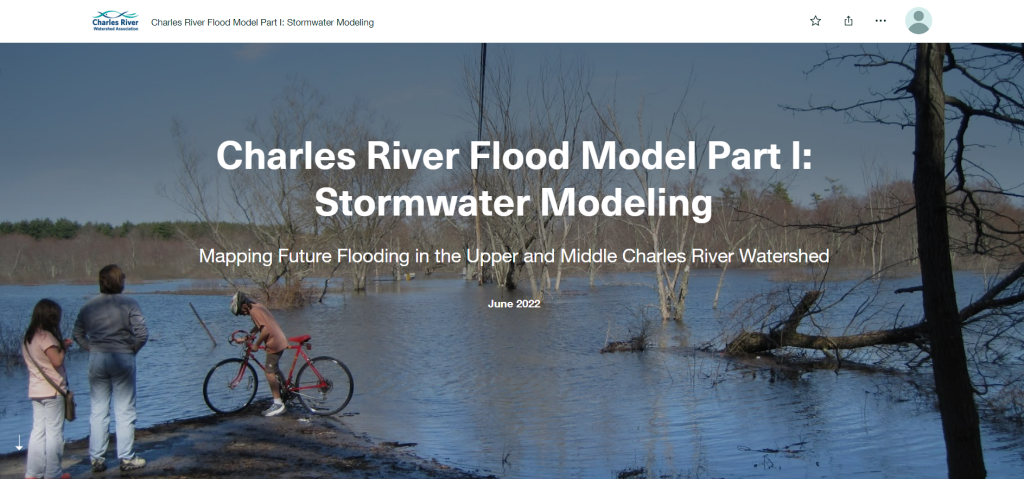
The Charles River Flood Model was developed for the upper and middle Charles River watershed, an area of approximately 280 square miles. It includes most of the watershed outside the […]

August 25, 2022
Mālama Maunalua and partners are using a holistic approach to restore coastal water systems in Maunalua Bay based on the traditional Hawaiian practice of ahupua‘a. In order to accomplish restoration from the mountains to the reef, local groups work together while educating and engaging the community to improve the overall water quality and decrease flooding in the entire watershed.

December 8, 2021
Using community-based research, West Street Recovery published the report Survivors as Experts: A Community Evaluation of Disaster Recovery in Northeast Houston to “identify and analyze the barriers to recovery from […]
March 22, 2021
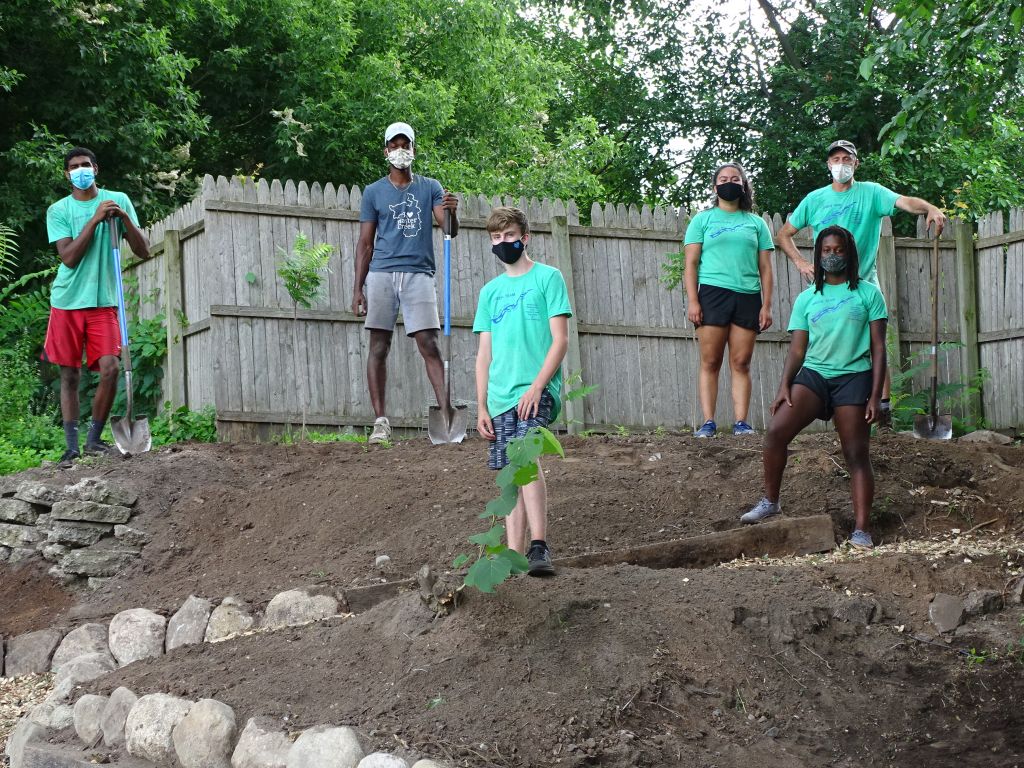
Snapshots from the Urban Waters Learning Network Building flood resilience—like water—can take many shapes. Members of the Urban Waters Learning Network (UWLN) are working on community solutions for urban flood resilience. […]

October 31, 2019
How to Prepare for Natural Disasters: A Pre-Disaster Toolkit for Small- to Medium-Size Communities Prepared by US EPA Urban Waters Federal Partnership, the toolkit was developed to help small- to medium-size […]
June 18, 2019
Created in the 1990s, the San Juan Bay Estuary Program (Estuario) is the only tropical estuary in the National Estuary Program. Estuario serves 8 municipalities in the San Juan metropolitan […]
February 14, 2019
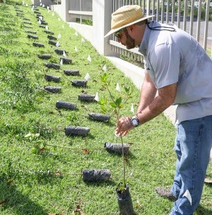
When Hurricane Maria struck in September 2017, septic and power systems in the San Juan Bay Estuary failed and crucial habitats were destroyed as had been predicted by the vulnerability assessment conducted four years earlier. Although Estuario was prepared to respond, guided by the adaptation plans established in 2015, aging infrastructure, continued development in the watershed, and intense hurricane forces multiplied the impacts of flooding and water pollution. In the aftermath of the storm, it was very clear to Estuario leaders that aggressive actions needed to be taken to increase both the ecological and economic resiliency of the watershed. Estuario doubled-down on its efforts with #EstuarioRevive, an initiative designed to implement projects to monitor, restore, and increase the resilience efforts of the San Juan Bay Estuary.
June 23, 2018
This project seeks to advance future green infrastructure (GI) projects through a growing partnership of municipal regulators, GI professionals, and scientists by quantifying urban runoff at commercial facilities near underserved […]
June 20, 2018
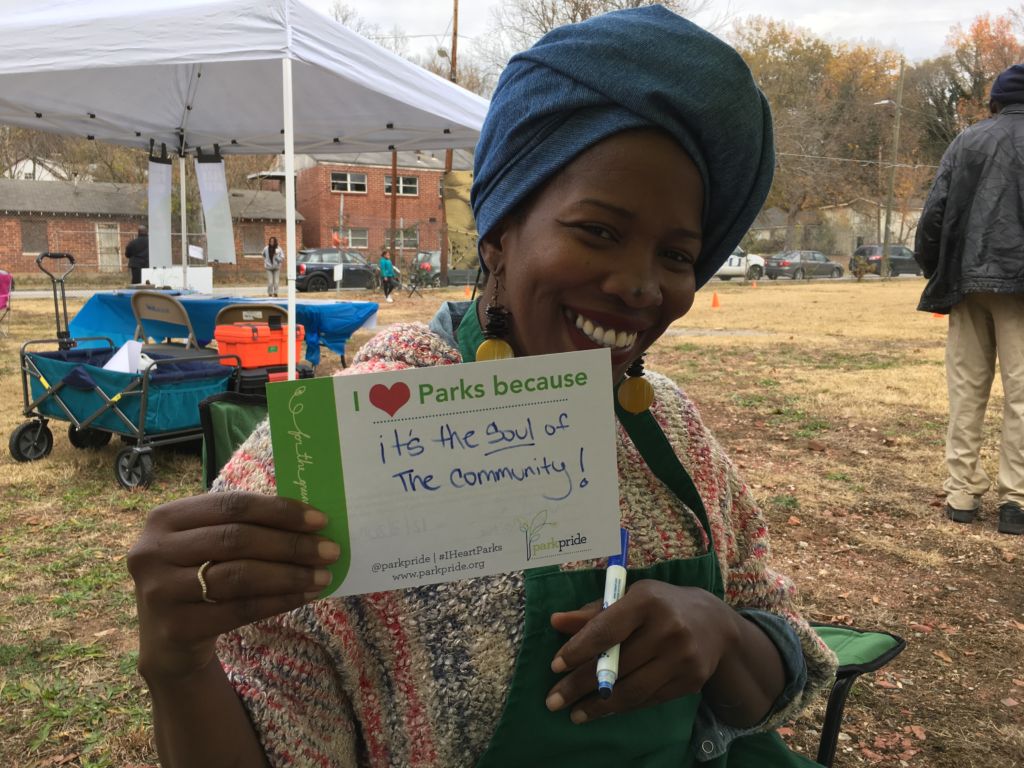
In 2013, the Proctor Creek Watershed was designated by the EPA as an Urban Waters Federal Partnership location, with goals to engage the community while improving water quality, providing green spaces, and supporting green infrastructure. The Conservation Fund was awarded an EPA Urban Waters Small Grant in 2016 to work with residents and multiple organizations of the Proctor Creek Watershed to create green infrastructure solutions that benefit the community and the environment.