youth
May 4, 2017
The Duwamish River Cleanup Coalition/Technical Advisory Group (DRCC/TAG) is a coalition of ten groups working to promote the health of the Duwamish RIver, a 5.5 mile long Superfund site that flows […]

May 4, 2017
The Wabash River Enhancement Corporation (WREC) partners with residents, commercial and industrial entities, local and regional governments, local civic and environmental organizations, and others to protect and improve water quality within […]
April 7, 2017
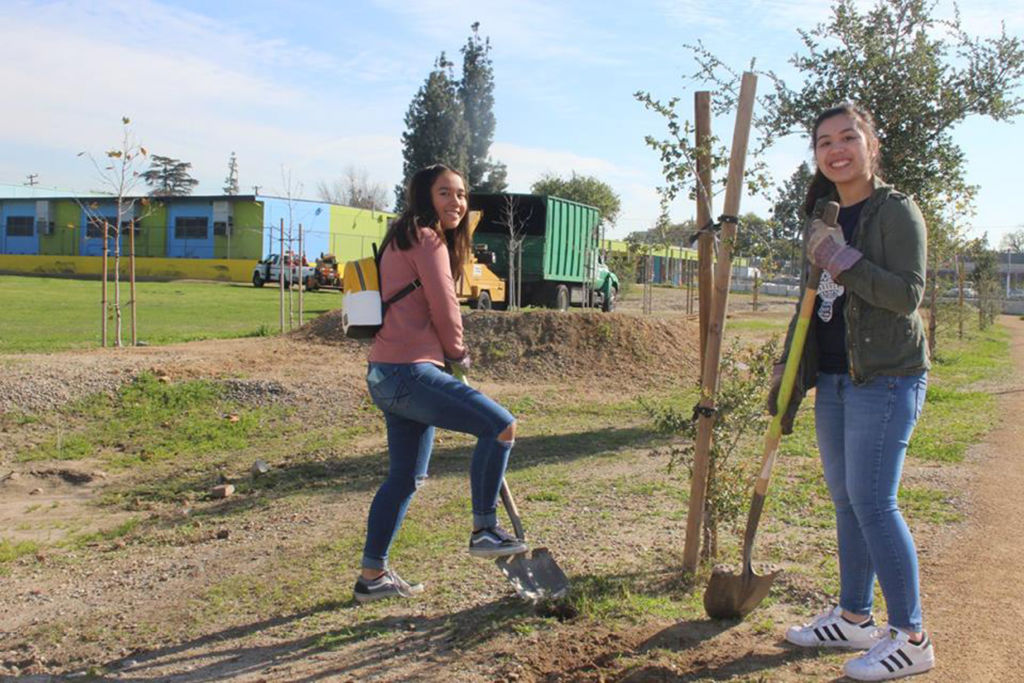
The San Gabriel River drains a 713-mile watershed in the San Gabriel Mountains, flowing as far south as Long Beach, where it enters Alamitos Bay as a tidal river. It shares its watershed with two other major rivers: the Los Angeles and the Santa Ana.

April 6, 2017
Most people are familiar with archeology as a field that explores ancient civilizations by uncovering artifacts. However, archeology has applications in modern urban locations as well. Cities change quickly, and in the process, the lives and stories of residents—and even whole neighborhoods and rivers—can be buried or substantially altered. Archeology can uncover the stories that never made it to the history books, and can also help communities to discover and tell their own stories and histories.

February 9, 2017
The Valle de Oro National Wildlife Refuge, located in the South Valley of Albuquerque, New Mexico, is the first US Fish and Wildlife Service (USFWS) refuge in the Southwest to be designated an “urban refuge.” With funding from the US EPA Urban Waters Program, Amigos Bravos partnered with area organizations to engage youth directly in water quality monitoring in the Rio Grande and adjacent irrigation ditches. Many of the youth had never seen the river before, much less interacted with it.
January 11, 2017
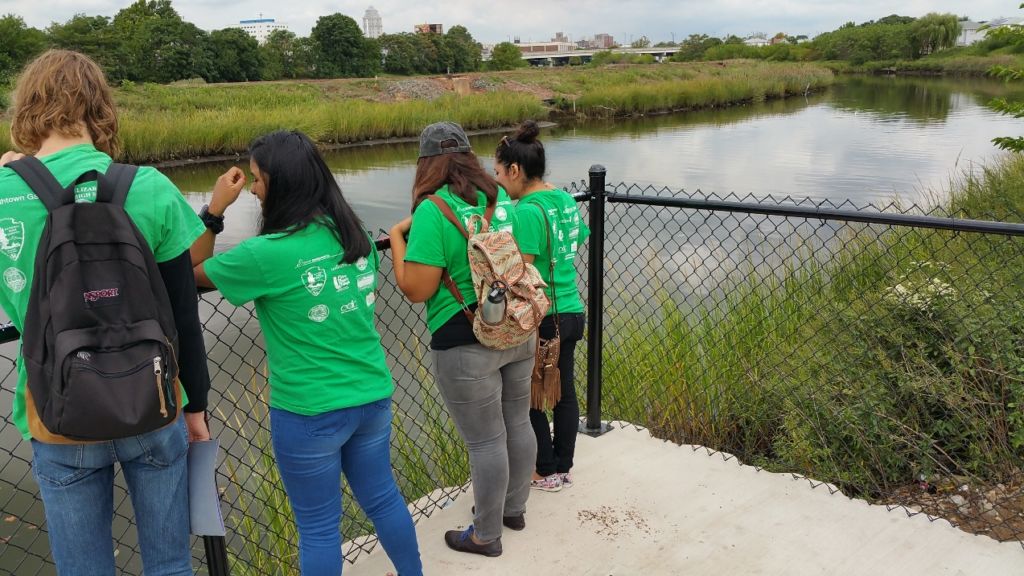
The long-term vision for the Elizabeth River Trail project in Elizabeth, New Jersey is to connect people with the natural environment in the most densely populated region of the country. Through signage and service learning events, residents and visitors will learn about ecological restoration plans for the river and become environmental stewards of this valuable resource. Ultimately, the trail will tie into the regional network of greenways already established and under construction.
December 1, 2016
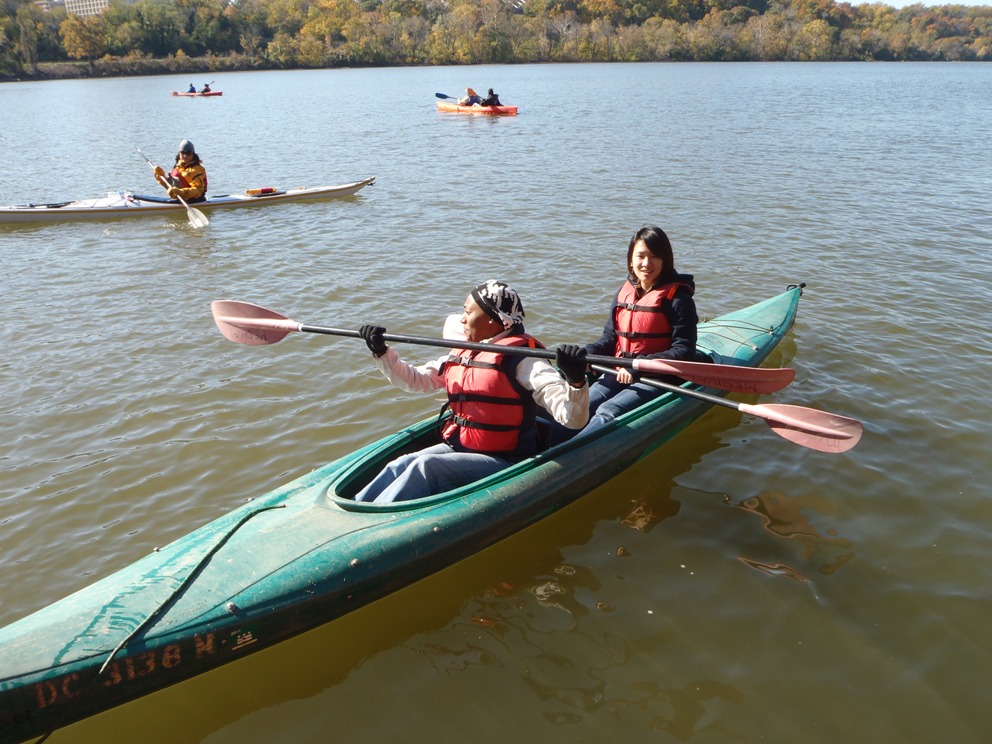
Groundwork Anacostia, a "trust" under the umbrella of Groundwork USA, is based in the District of Columbia’s Ward 7, which has the longest portion of riverbank—including four out of the five tributaries that feed the Anacostia River. The neighborhood has a large amount of green space in the form of National Park Service (NPS) historical preserves, Civil War sites, and city parkland. Groundwork Anacostia’s main focus has been to improve this parkland, as well as local derelict lots and vacant land, in order to improve quality of life and access for neighborhood residents, while also offering innovative education and job training programs for area youth.

June 23, 2016
The Duwamish is Seattle’s only river. It is a 5.5 mile long Superfund site that flows through Seattle’s Duwamish Valley – a highly developed urban and industrial center south of downtown. In 2014, the Duwamish River Cleanup Coalition Technical Advisory Group (DRCC/TAG) founded the Duwamish Valley Youth Corps (DVYC) with support from the Forest Service’s Urban Waters Federal Partnership. The DVYC supports environmental improvement projects identified by residents in the Duwamish River Valley. With a focus on urban forestry, river restoration, and green infrastructure, the program is equal parts environmental science, job skills training, stewardship, and hands-on restoration.
June 23, 2016
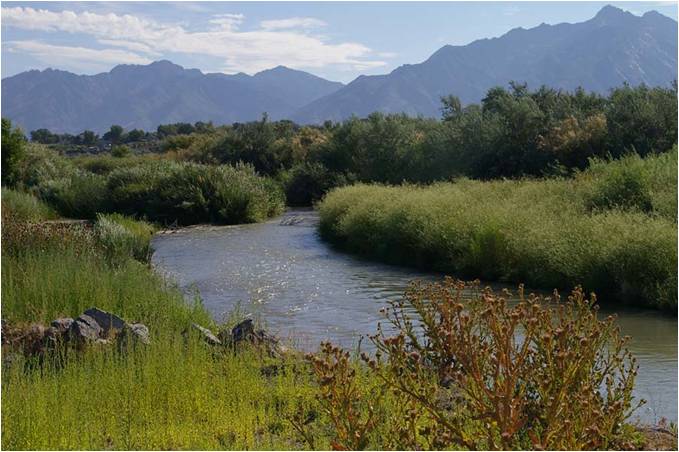
In 2008, many Utah organizations came together to develop a long-range plan for the Jordan River that laid out a vision for a revitalized river corridor. The Jordan River Commission was created to spearhead this plan, and it has been successful in building partnerships with organizations now working together to implement this vision. These collaborations have led to a new public appreciation for the river corridor as a recreational amenity and opportunity for conservation, environmental education, and community building.