
public outreach
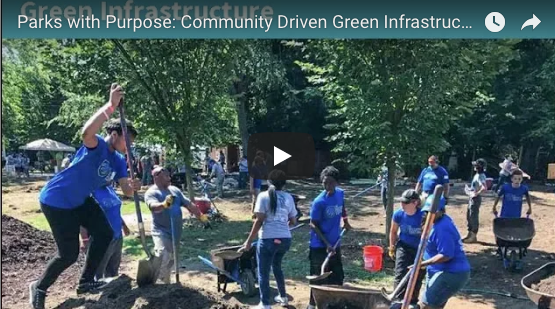
September 17, 2018
Through their Parks with Purpose program, The Conservation Fund and partner organizations are designing and implementing green infrastructure in underserved urban communities while engaging and training residents to make way for lasting change.
September 10, 2018
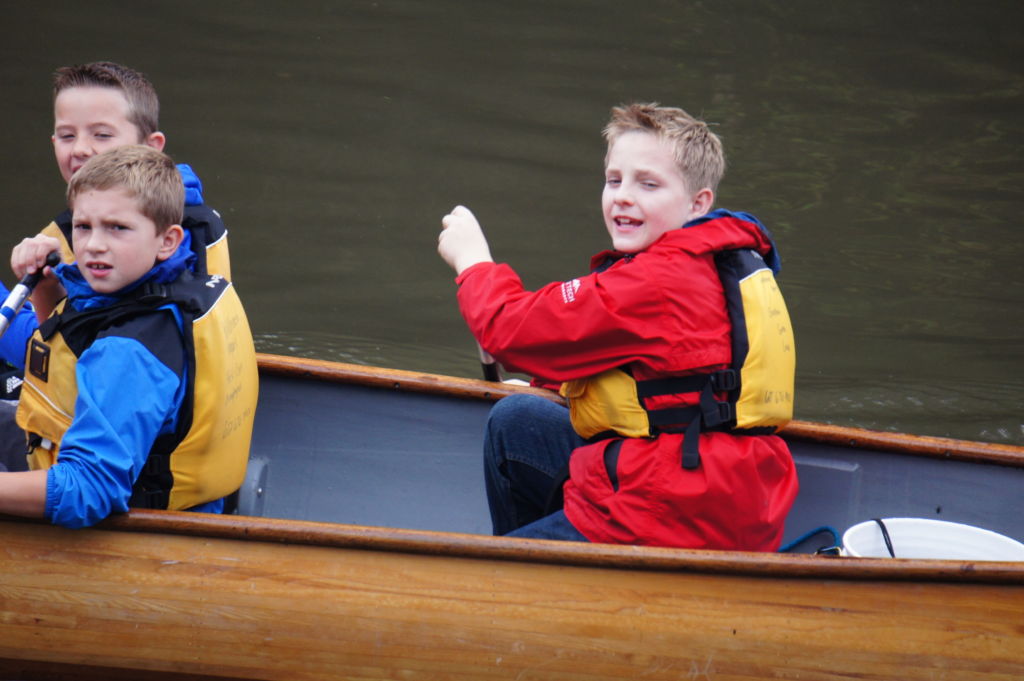
Together, partners in the Northwest Indiana area are leading people to the water. The LaPorte Soil and Water Conservation District (SWCD) – established in 1937 by the Indiana Soil Conservation Act – plays a vital role in both the Trail Creek Watershed Partnership and the Northwest Indiana Federal Partnership. They offer a variety of programs that educate and empower the community to take an active role in protecting their environment. In addition, the LaPorte SWCD is involved in watershed planning, advocating and implementing best management practices within the Trail Creek Watershed.
June 20, 2018
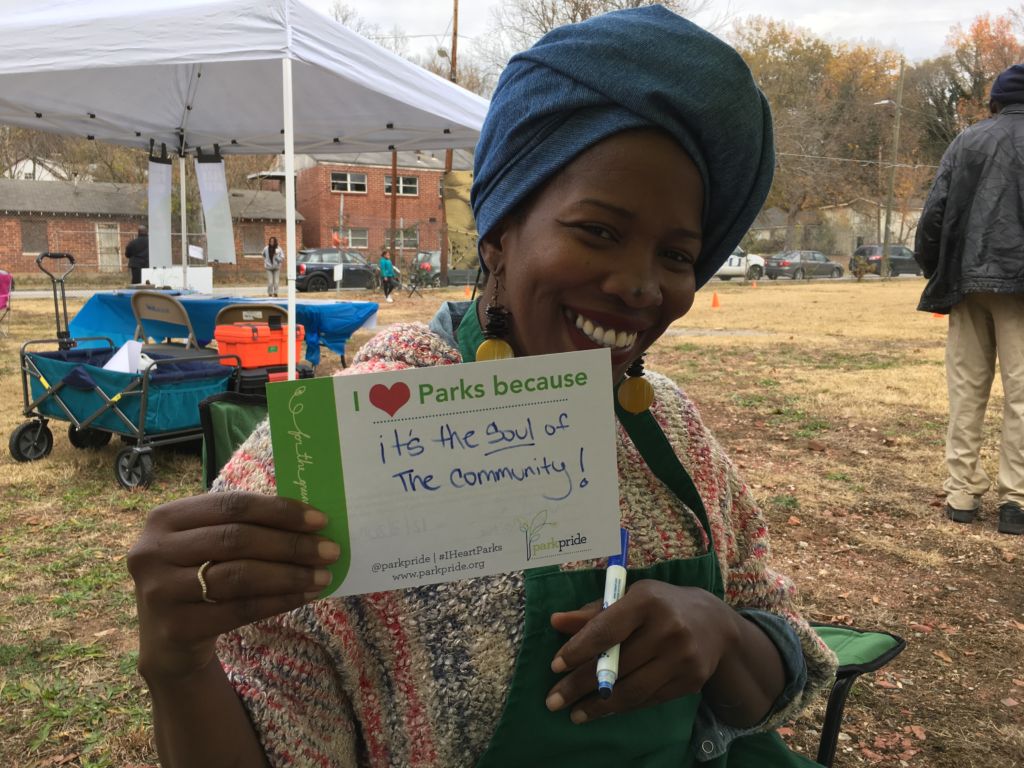
In 2013, the Proctor Creek Watershed was designated by the EPA as an Urban Waters Federal Partnership location, with goals to engage the community while improving water quality, providing green spaces, and supporting green infrastructure. The Conservation Fund was awarded an EPA Urban Waters Small Grant in 2016 to work with residents and multiple organizations of the Proctor Creek Watershed to create green infrastructure solutions that benefit the community and the environment.
May 10, 2018
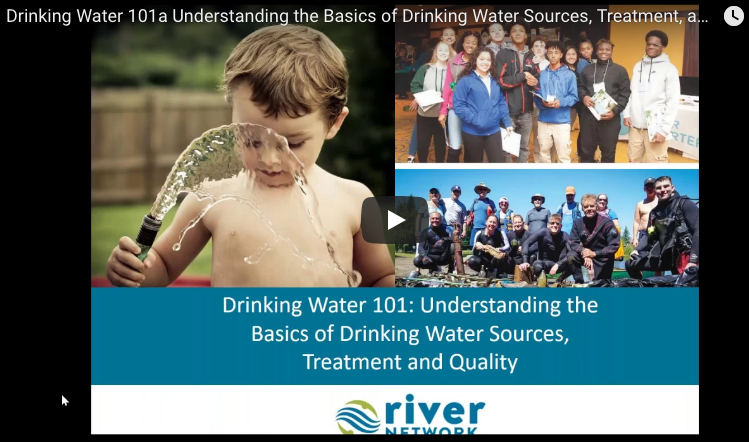
Drinking water crises in Flint, Detroit, Toledo, California’s Central Valley, and West Virginia have highlighted the need to invest in our natural and built infrastructure while also providing affordable water to all customers to ensure access to safe and healthy drinking water. To engage constructively as a community member and advocate, it’s important to understand drinking water systems and policies, rules, and technologies.

January 5, 2018
Three projects from different organizations in the eastern United States are using creative methods to educate students about environmental issues in their communities and to empower urban youth to make a difference. While the issues that the communities face are varied, each organization is engaging youth to raise awareness and to create solutions.

December 22, 2017
El Caño Martin Peña (CMP) is a 3.75-mile-long tidal channel located within the San Juan Bay National Estuary in Puerto Rico, the only tropical estuary within the National Estuary Program. The degraded channel has threatened not only communities’ health, but the ecosystem as well. ENLACE engages in public education activities to promote an understanding of the impacts of environmental degradation, fostering critical consciousness and democratic action to support restoration efforts. The restoration of the estuarine tidal channel will allow for mangroves to flourish and increase biodiversity, improving resilience during storms and providing opportunities for tourism.
December 7, 2017
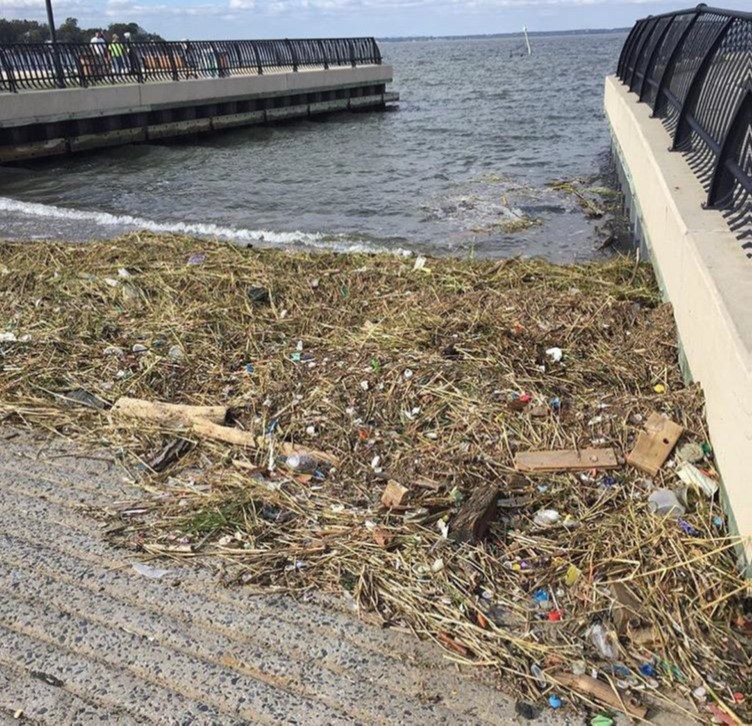
Advocating for change starts first with quantifying and documenting the extent of plastics pollution. The NY/NJ Baykeeper study illuminates the high prevalence of plastics pollution within the Harbor Estuary and highlights the importance of both decreasing plastics consumption and increasing disposal awareness.
October 9, 2017
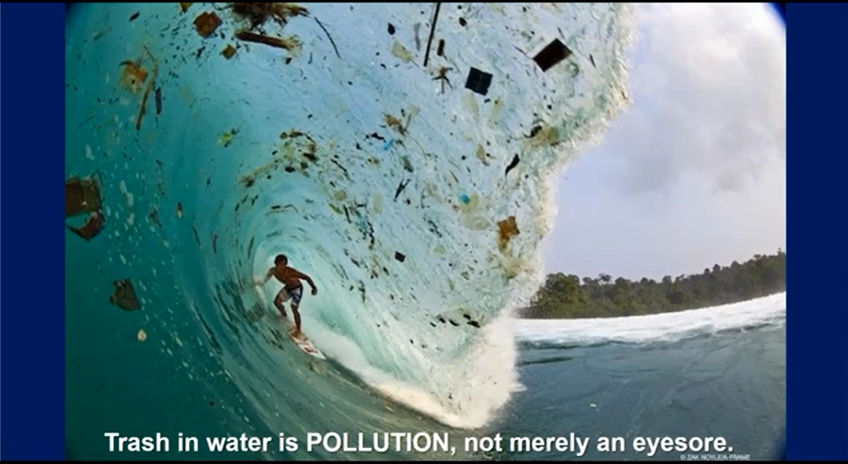
Litter and trash from consumer goods make up the majority of marine debris that pollute our waterways and oceans. Feel like your organization needs to do more than annual clean […]

October 9, 2017
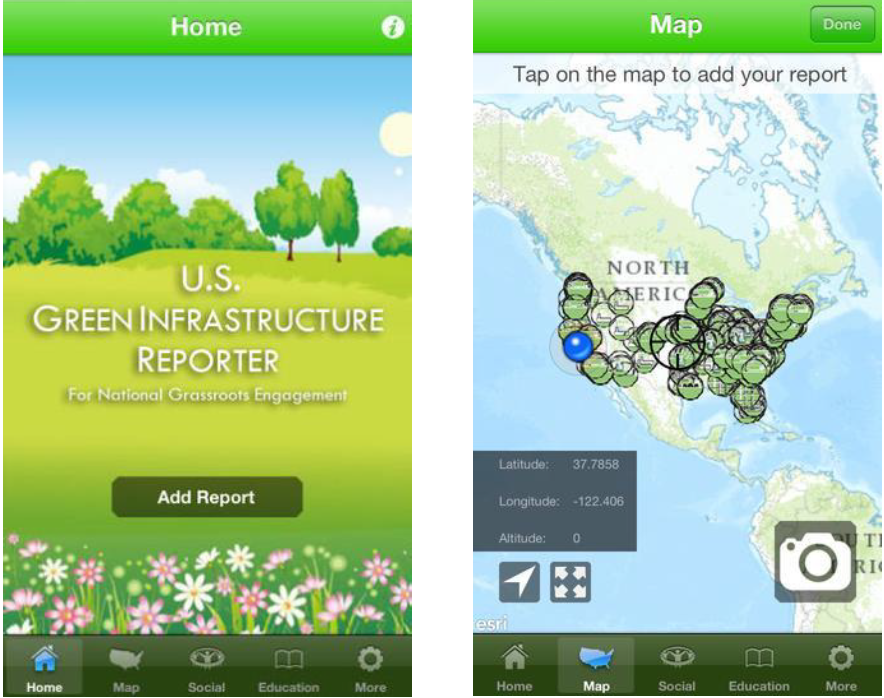
Monitoring of our waterways is critical to identify issues of concern, to evaluate restoration projects’ success, and to gauge changes over time. New technologies are continually shaping the way we […]
September 11, 2017
In urban settings, stormwater runoff is one of the leading water quality concerns due to limited surface area where water can infiltrate into the soil. Impervious surfaces result in water flowing quickly across pavement and down gutters and sewers rather than dispersing out evenly over the landscape. The farther and faster the water travels, the more contaminants and sediment it picks up along the way.