
Community Resilience to Natural Disasters Resource Collection
When disaster strikes, community-based organizations are often best positioned to respond and meet the needs of their community. This Resource Collection includes resources we have curated from across the network that can support communities in preparing for, responding to, and recovering from disasters wherever they are in the disaster cycle, from mitigation and preparedness through response and recovery.
Find guides, best practices, and more resources below.
Pre-Disaster “Blue Sky”: Mitigation and Preparedness
 Building Community Resilience with Nature-Based Solutions: A Guide for Local Communities
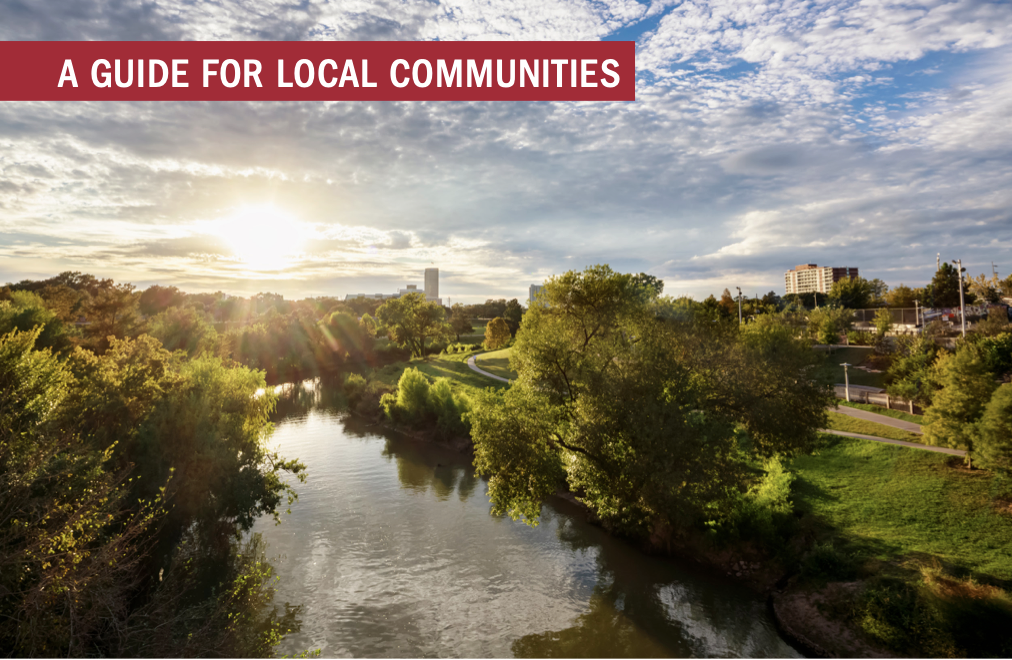
Nature-based solutions can be a cost-effective approach to keep natural hazards from becoming costly disasters. The key goal of this guide is to help communities identify and engage the staff and resources that can play a role in building resilience with nature-based solutions. FEMA
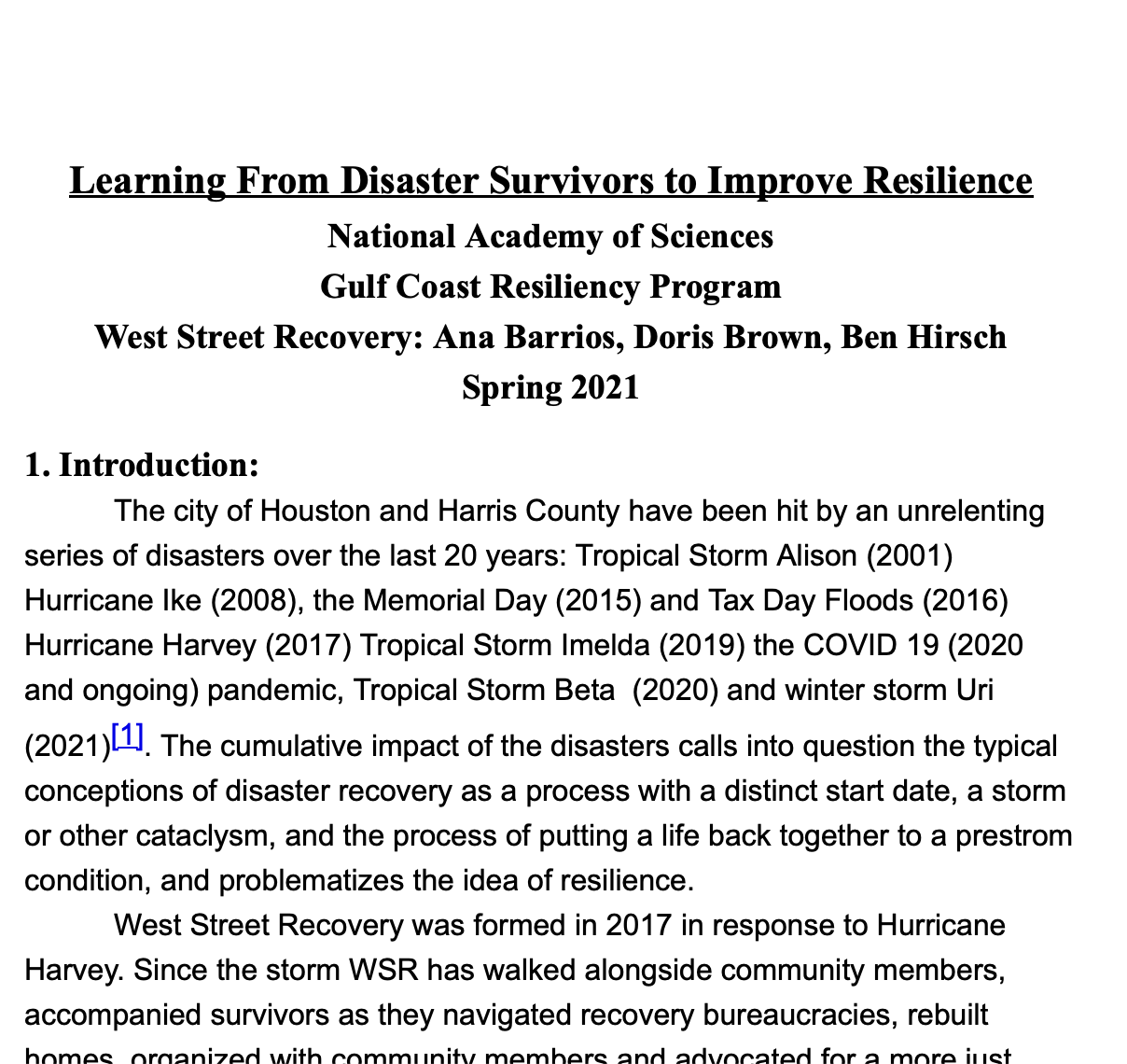
Learning from Disaster Survivors to Improve Resilience
In Spring 2021, West Street Recovery conducted three focus groups of residents who have faced disaster in quick succession. This report illustrates the impacts of flooding and other disasters on marginalized communities, explains strategies that individuals, households and communities can use to improve preparedness and resilience, and outlines an advocacy agenda for organizers, policy analysts and others who can pressure governments to improve disaster preparedness and response. National Academy of Sciences, Gulf Coast Resiliency Program, West Street Recovery
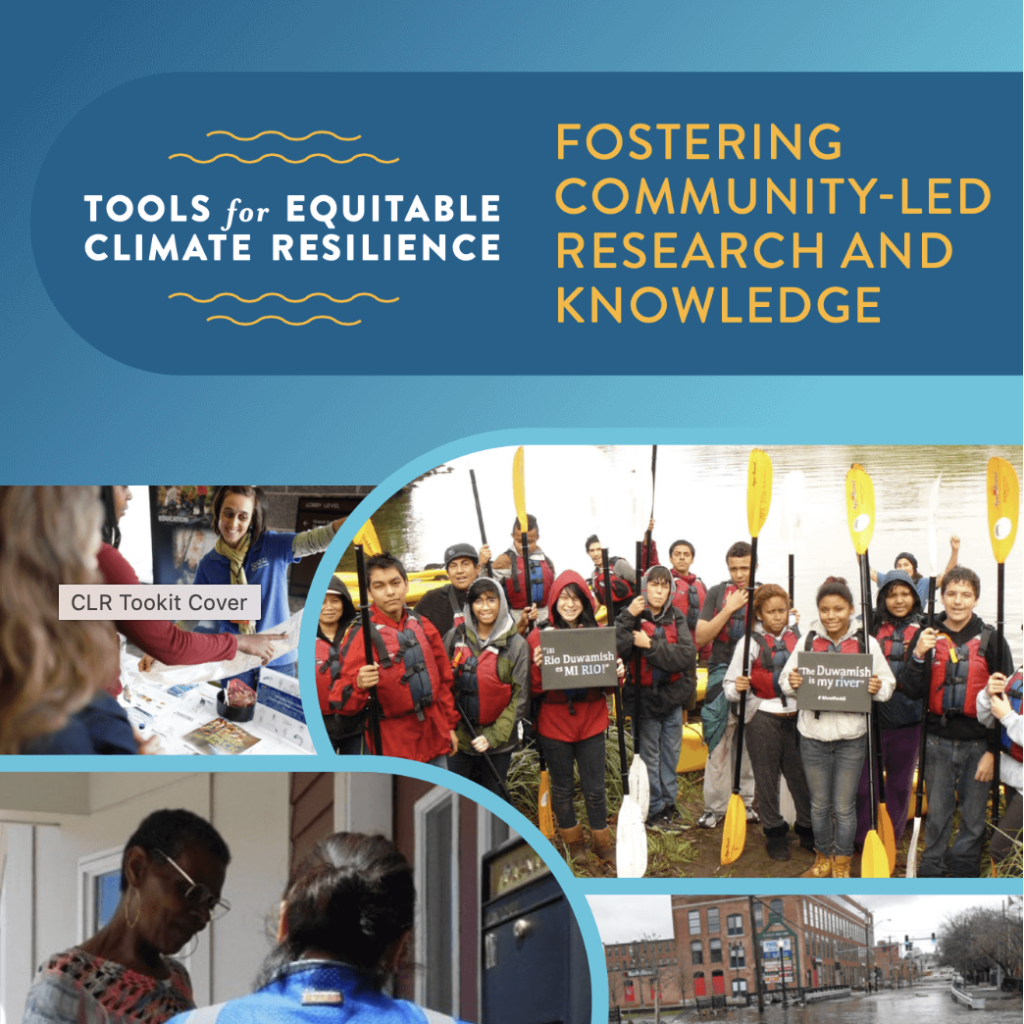
Tools For Equitable Climate Resilience: The Community Leadership Toolkit
This toolkit aims to build the capacity of organizations to serve as catalysts in supporting members of their communities stepping into leadership roles, engaging them meaningfully in defining the scope of local climate change risks and impacts, and formulating and implementing equitable solutions. River Network
Post-Disaster “Gray Sky”: Response and Recovery
Resources for Disaster Response, Recovery, and Resilience
This comprehensive toolkit is designed to arm advocates and CBOs with information, enabling them to educate policymakers, the public, and other stakeholders about disaster-related needs and reforming our nation’s disaster housing recovery framework. It offers a range of communication tools that advocates can utilize before and after disasters, addressing both short-term and long-term recovery, resilience, and mitigation. National Low Income Housing Coalition
SPB Resource Hub
This collection of free trainings, tools, and resources can enhance disaster preparedness, recovery, and resilience for your household or community. This includes guidance on filing FEMA applications and appeals, submitting insurance claims, safeguarding against contractor fraud, and managing post-disaster cleanup. SPB

There’s Been A Disaster, Now What?
This website offers a resource hub for frontline populations responding to disaster. Resources and practical guides for community-led relief are clustered in categories including Care, Communications, Governance, and more. Disaster Response for Communities
How to Make your Community Space into a Hub for Local Resilience and Mutual Aid
This 12-page guide introduces the vision and model of a resilience hub, a place where neighbors can deepen a sense of belonging, learn new skills together, provide for basic needs, prepare for disasters, and build a more inclusive and joyful community. Shareable
Guide to Developing Resilience Hubs
This webpage contains an in-depth guide as community-serving facilities augmented to support residents, coordinate communication, distribute resources, and reduce carbon pollution while enhancing quality of life. It also holds supplementary resources including a video series and progress reports on existing Resilience Hubs. Urban Sustainability Directors Network
Resilience Hub Collaborative
The RHC is a space for community-based leaders, community members, and their partners to gather and share ideas, resources, and methodologies for creating Resilience Hubs. They are an action-focused network that offers coaching, technical assistance, resources and tools, trainings, and funding support. Resilience Hub Collaborative
Pre-Disaster “Blue Sky”: Mitigation and Preparedness
 Mobilizing Communities To Monitor Change and Prepare for Resilience
MyCoast RI is a database hosts a collection of extreme high-tide, storm, and shoreline adaptation photographs from every coastal municipality in Rhode Island. Volunteers can head out during each king tide or after every coastal storm armed with cell phones and cameras to capture the impacts of these events, from flooded streets and parking lots to downed trees and overtopped piers. These can be accessed by anyone and used to communicate the extent of coastal flooding and storm damage to neighbors, planners, and decision makers. The photographs and reports can help identify priority areas for resilience efforts and demonstrate impacts at the neighborhood and even street level. Rhode Island Sea Grant, the Coastal Resources Management Council, Woonasquatucket River Watershed Council, the Rhode Island Department of Transportation, Save The Bay
 The True Cost of Flooding: How Smart Land Use Can Turn the Tide
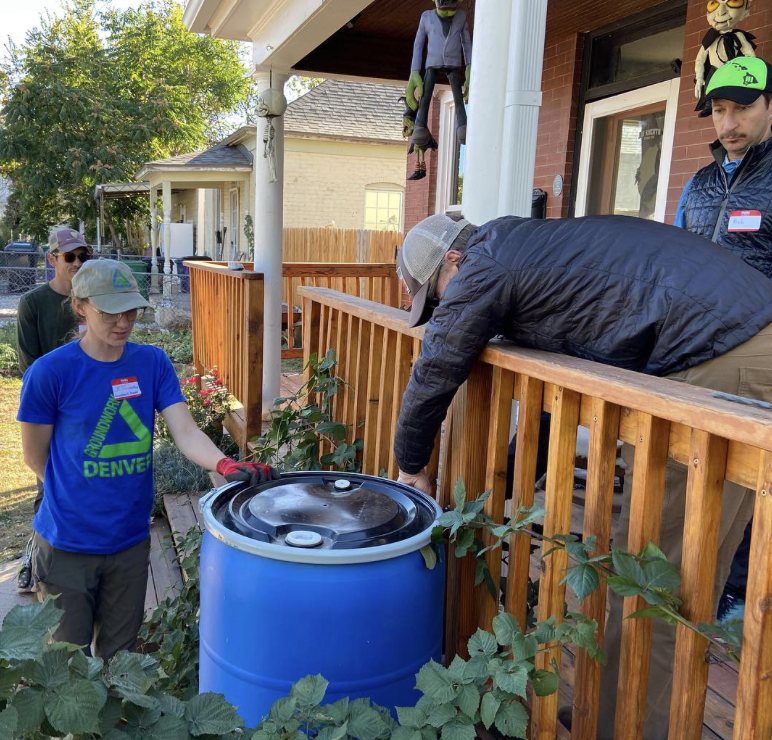
Communities across the Groundwork Network are finding creative ways to use small-scale, nature-based solutions to improve their relationship with water. From microforests to stormwater parks and bioswales, these innovative strategies work with nature—not against it—to manage stormwater, reduce flood risks, and protect lives and property. Groundwork USA
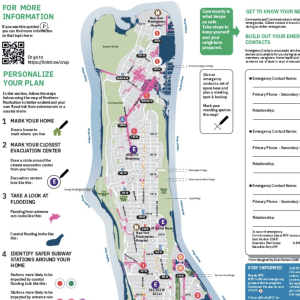 Emergency Preparedness: Climate Ready Uptown Plan (CRUP)

The CRUP pamphlet helps community members in Northern Manhattan understand their individual risk to climate related disasters and provides pertinent information to help prepare themselves and their families. The community-driven emergency preparedness plan includes an interactive map that helps residents better understand their flood risk. WE ACT For Environmental Justice, East Harlem COAD, Harlem Emergency Network
 IWW Hurricane Hub

This New Orleans living resource hub compiles hurricane preparedness information, including an extensive Hurricane Season Guide with information on preparing your home, evacuation, and more; a simple hurricane season checklist, and more. Imagine Water Works
 Disaster Preparedness Resources
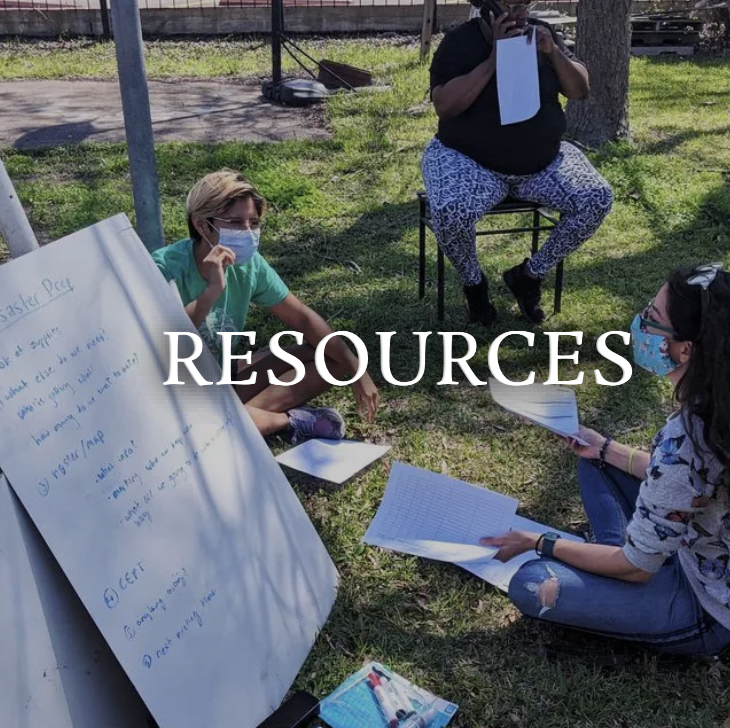
A list of resources that West Street Recovery references, distributes to residents, and/or has created to support disaster preparedness. West Street Recovery
Post-Disaster “Gray Sky”: Response and Recovery
 After the Flood: Building Community Resiliency in New Orleans
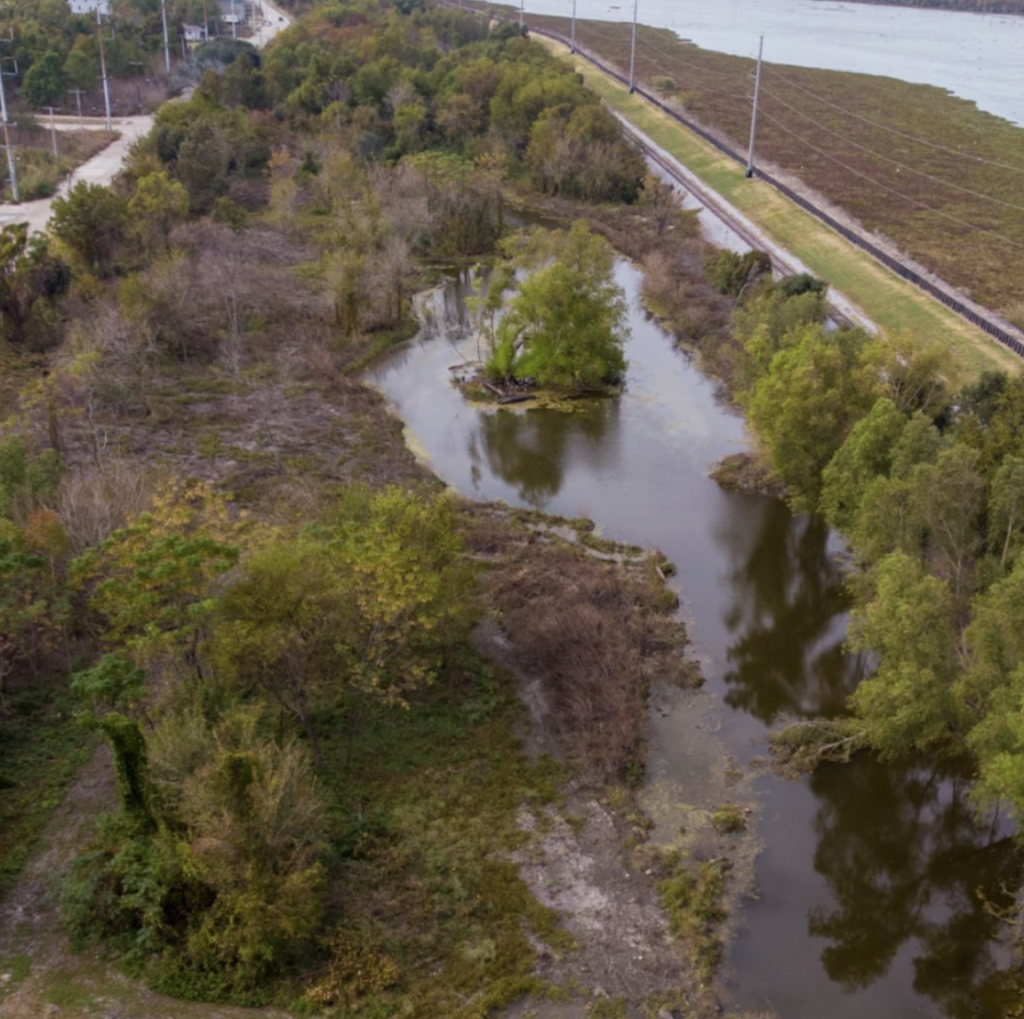
In the Lower 9th Ward, a neighborhood in New Orleans that was devastated by Hurricane Katrina, NPS-RTCA partnered with the city and a local nonprofit organization to develop a post-disaster recovery project, transforming a 40-acre vacant site into a wetland park that will improve neighborhood resilience to heat, flooding and future hurricanes. Learn about more post-disaster recovery projects here. U.S. National Park Service, Rivers, Trails and Conservation Assistance Program (NPS-RTCA)
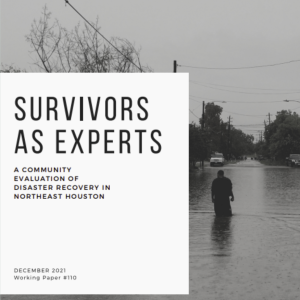 Survivors as Experts: A Community Evaluation of Disaster Recovery in Northeast Houston

This report aims to “identify and analyze the barriers to recovery from the perspective of residents living in low income Black and Brown neighborhoods in Northeast Houston.” It details reflections of Hurricane Harvey disaster survivors through interviews conducted by community members that highlight existing inequities that are amplified in disaster recovery. West Street Recovery, The Harvey Forgotten Survivors Caucus, Northeast Action Collective
Disaster Recovery Resources
A list of resources that West Street Recovery references, distributes to residents, and/or has created to support disaster recovery, including how-to one pagers, supply lists, and checklists. West Street Recovery
 Social Infrastructure is Key to Building Resilient Communities: Insights from Ingrid Vila on the Puerto Rico Experience
How do communities effectively respond to devastating storms? And, what does it mean to build resilient communities? Looking for the answers to these questions after the impactful 2017 hurricane season, the Urban Waters Learning Network team asked Ingrid Vila, co-founder of CAMBIO, an organization promoting sustainability in Puerto Rico and the Caribbean, who has first-hand experience with both. Urban Waters Learning Network
 Bayou Greenbelt Master Plan: 6 Community-Led Projects for Long-Term Recovery
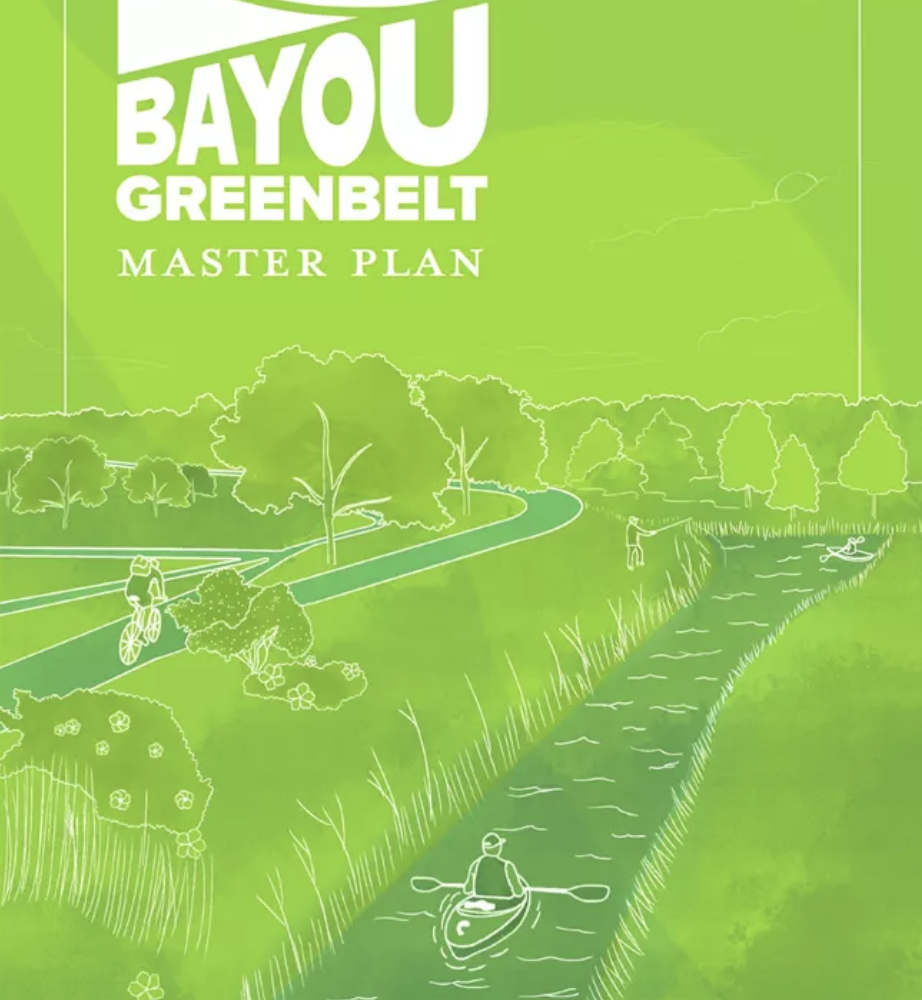
After Category 4 Hurricanes Laura and Delta swept through southwestern Louisiana in August and October of 2020, disaster-impacted communities of DeRidder and Lake Charles, along with representatives of Calcasieu, Cameron, and Allen parishes in Louisiana were interested in the development of long-term recovery plans. Led by the Community Foundation of Southwest Louisiana with support from NPS-RTCA and FEMA, the The Bayou Greenbelt was bold vision to connect 23 miles of waterways and trails across Lake Charles, improving the quality of life in Calcasieu Parish while promoting flood mitigation. U.S. National Park Service, Rivers, Trails and Conservation Assistance Program (NPS-RTCA)
 The Case for (Balti)More Resilience Hubs
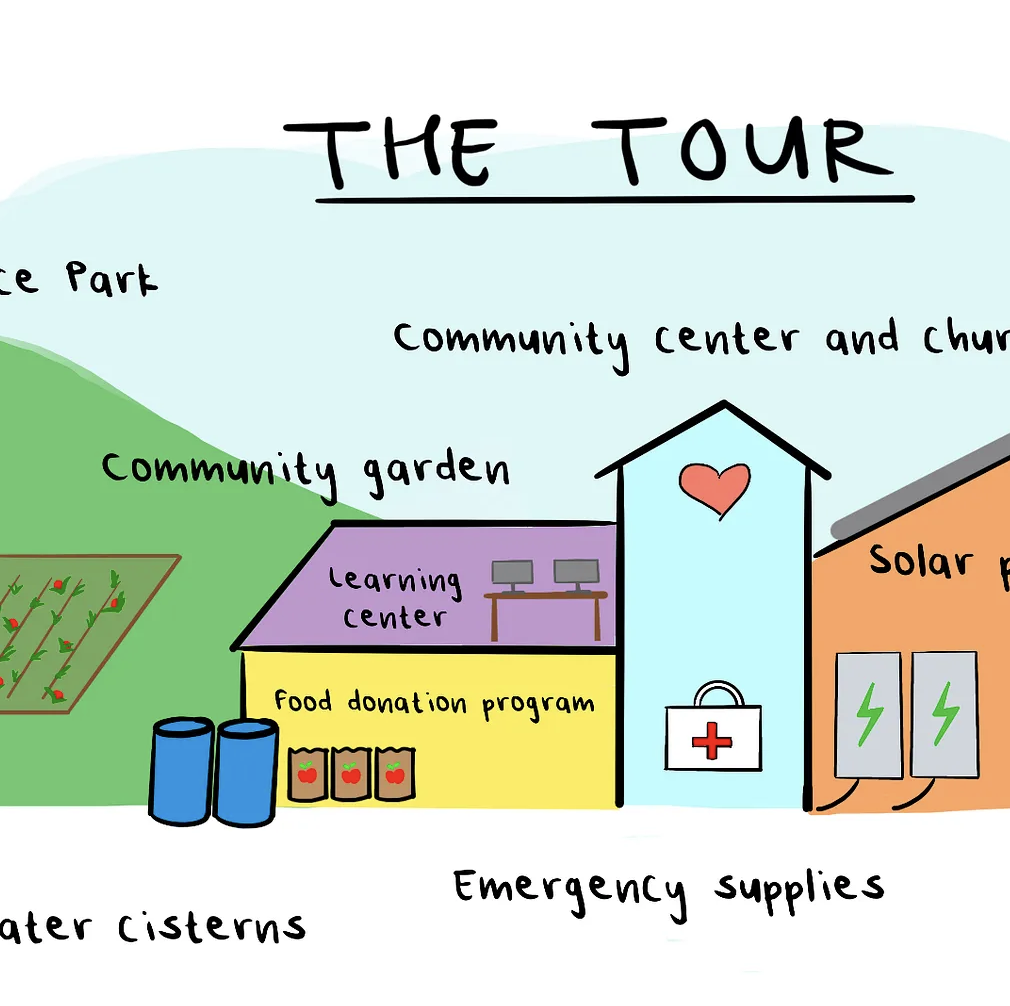
This article offers a “tour” of one of the first Resilience Hubs in the United States in Stillmeadow in Baltimore, Maryland. Parachute Substack
Pre-Disaster “Blue Sky”: Mitigation and Preparedness
 Equitable Resilience Planning Frameworks
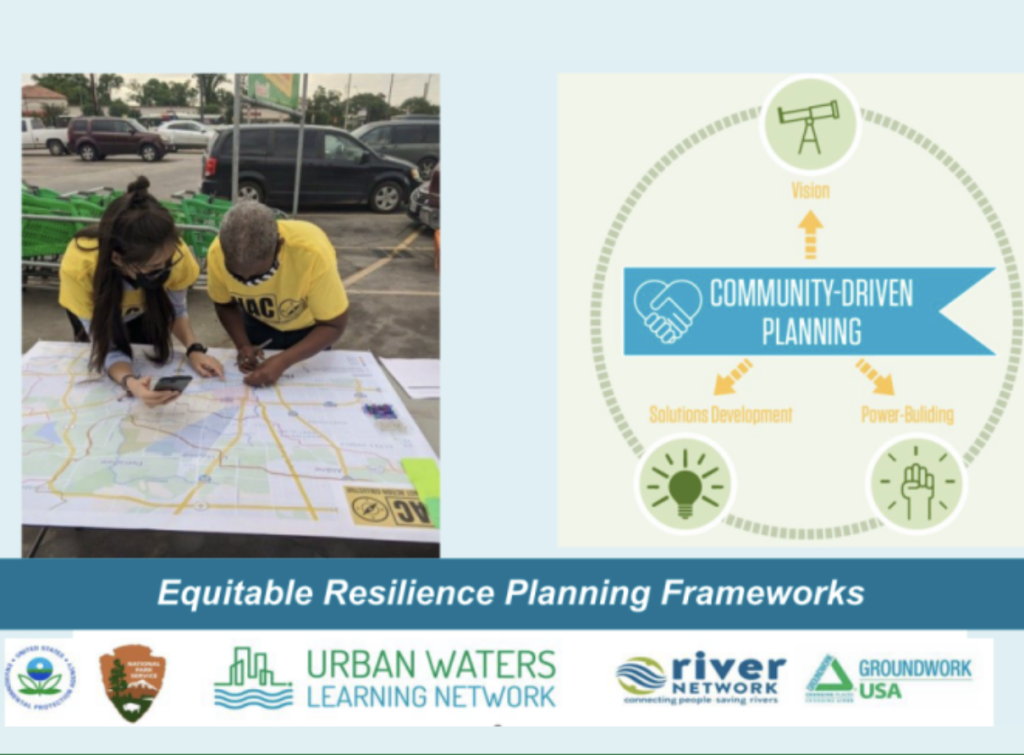
Presenters discuss how to engage and center the needs of the most vulnerable community members when developing climate resilience plans. Examples of community-driven plans that advance community priorities were shared, including the Community-Driven Climate Resilience Planning Framework. UWLN, National Association of Climate Resilience Planners, WE ACT for Environmental Justice
 Centering the Community in Resilience Planning
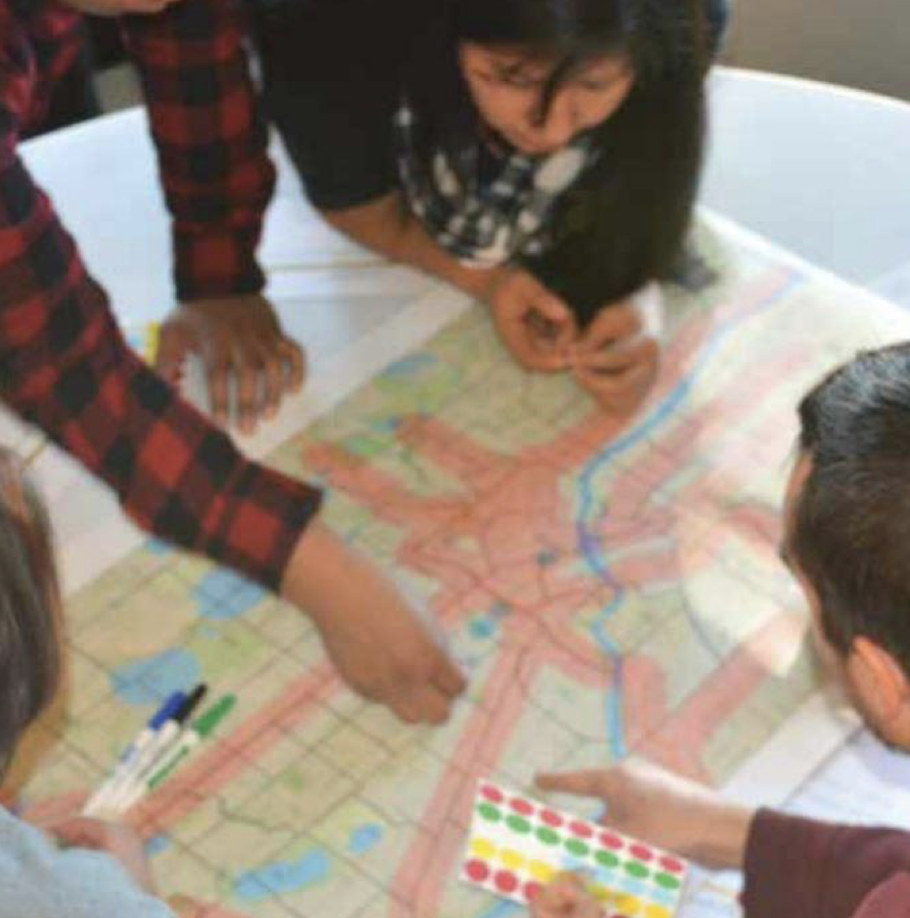
Community members who are most vulnerable to climate impacts are in the best position to make decisions about how to be better prepared – this webinar provides a framework for raising community voices and provides examples of resiliency plans that benefit the most vulnerable areas in our cities. UWLN, Ironbound Community Corporation, Movement Strategy Center
 Investing in Local Leadership to Advocate for Equitable Climate Resilience
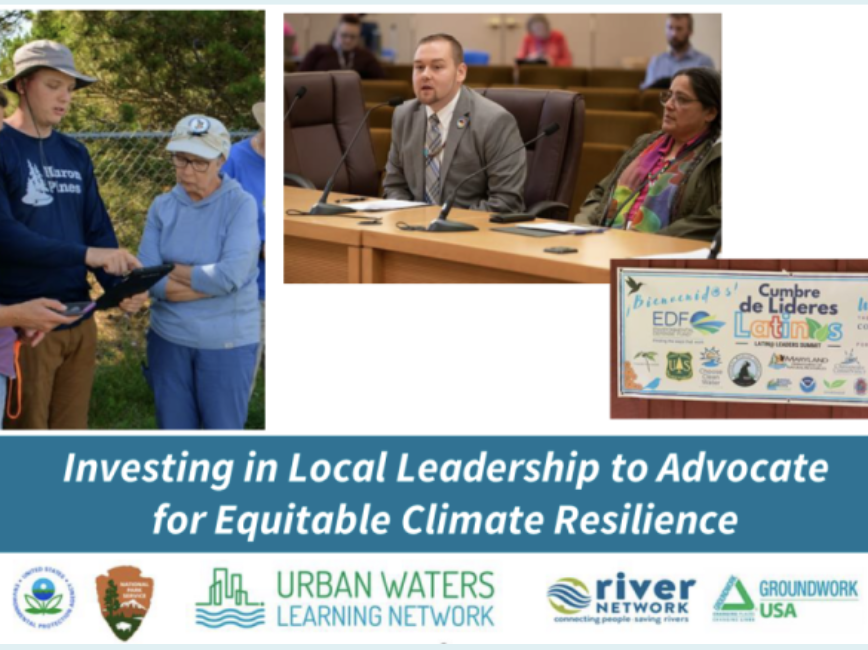
This webinar shares examples of community-based organizations that are investing in developing community leaders to build momentum for local water equity and climate resilience. We highlight River Network’s Fostering Community Leadership tool, and hear from representatives of local organizations that are helping community members build their leadership capacities and put them to use through citizen advisory boards, climate ambassador programs and other avenues, with the ultimate goal of making lasting change in their communities. UWLN, CEER (Coalition for Environment, Equity & Resilience), Woonasquatucket River Watershed Council
 Centering Those at Risk: The Power of Community-Led Research for Climate Resilience Investments
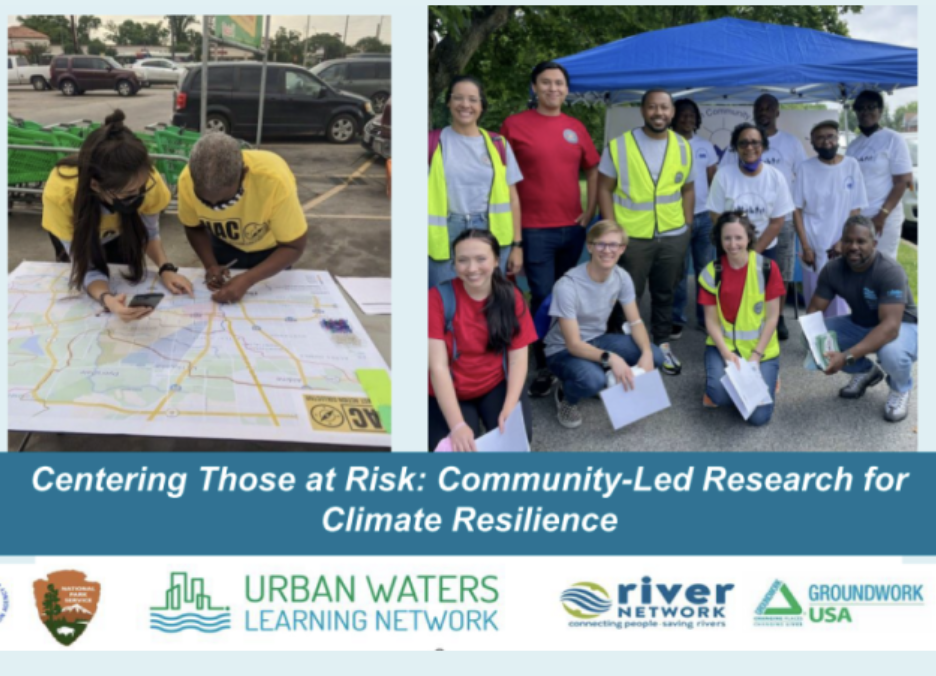
Hear from local organizations that have deployed River Network’s Community-Led Research (CLR) tool, a powerful approach to gathering and applying community generated data to inform climate resilience decisions such as green infrastructure plans and watershed restoration priorities. In the hands of community members who are at greatest risk from climate change, community-led research is a way to capture their wisdom and experiences and build an advocacy platform to ensure efforts to build community resilience, address issues of justice and advance solutions that are based on community needs. UWLN, Un Nuevo Amanecer, Groundwork San Diego – Chollas Creek
Post-Disaster “Gray Sky”: Response and Recovery
 After the Storm: Equitable Recovery and Resilient Adaptation
How do you build resilience after disaster strikes? This session focuses on two organizations that work to build resilience as part of recovery and adaptation, while also facing displacement pressures and inequities. UWLN, Lower 9th Ward Center for Sustainable Engagement and Development (CSED), Fair Share Housing Center (FSHC)
 Media Briefing: Can the South be a model for flood preparedness and recovery?
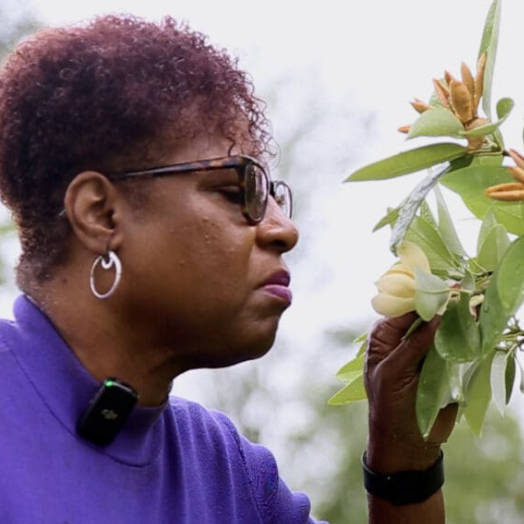
It’s been 20 years since Hurricane Katrina, one year since Hurricane Helene, and just three months since the deadly flash flooding in Central Texas. For Southern communities, intensifying floods aren’t isolated weather extremes; they’re a chronic crisis growing in frequency and intensity as climate change supercharges storms. To explore what communities need to break the cycle of disaster, recover, and rebuild, this virtual media briefing brings together experts from Louisiana’s bayous to the mountains of North Carolina. Water Hub, Healthy Community Services in New Orleans, National Wildlife Federation, Asheville City Council
 Tool Libraries, Mutual Aid & Community-led Disaster Response

A panel of practitioners from tool libraries and mutual aid groups discussed the intersection of resource sharing and mutual aid. This session featured a particular focus on the role tool libraries can play during disasters, like the 2024 collaboration between the Asheville Tool Library, WNC Repair Cafe, and Mutual Aid Disaster Relief during the response to Hurricane Helene in Western North Carolina. Shareable, Tool Library AllianceShareable, Tool Library Alliance
 Resilience Hubs as Community Superheroes of Climate Preparedness and Disaster Recovery
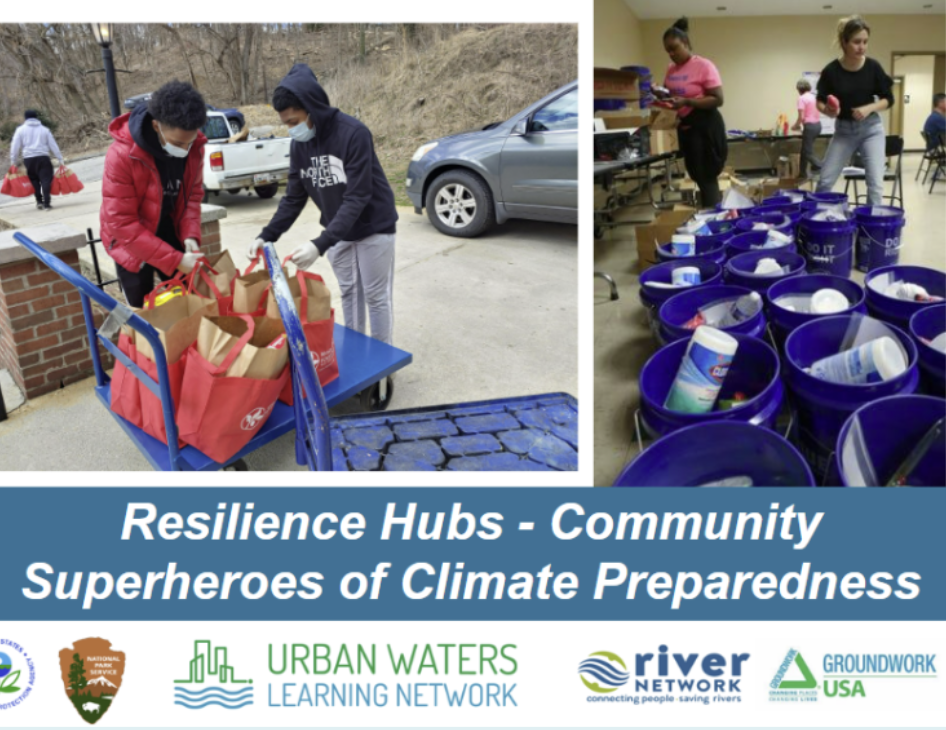
Resilience Hubs are central gathering places that bring community members together and provide residents with resources and support to prepare for and respond to climate emergencies. Participants learn how they can advocate for and participate in the planning and establishment of resilience hubs in their own communities. UWLN, Communities Responding to Extreme Weather (CREW), Baltimore Office of Sustainability
Podcasts
- West Street Recovery: Survivor-Led Disaster Resilience with Doris Brown
Zines
- A Window Propped Open: This is a zine series documenting lessons learned during Hurricane Harvey recovery. The zine includes Issue 1: Timelines, Issue 2: Lessons Learned Organizing After Hurricane Harvey, and Issue 3: Reflections on Two Years of Hurricane Harvey Recovery Work. West Street Recovery
- Mutual Aid Disaster Relief: Lessons Learned
Stories
- Storymap: Community Solutions for Urban Flood Resilience
- Impact Story: #EstuarioRevive: Monitoring, Restoration and Resiliency in the San Juan Bay Estuary
Advocacy & Communication
- Water Hub: 5 research-backed insights for talking about disaster resilience
- National Low Income Housing Coalition: Strategies, Tactics, and Best Practices on disaster recovery advocacy