
sewer overflows
June 20, 2018
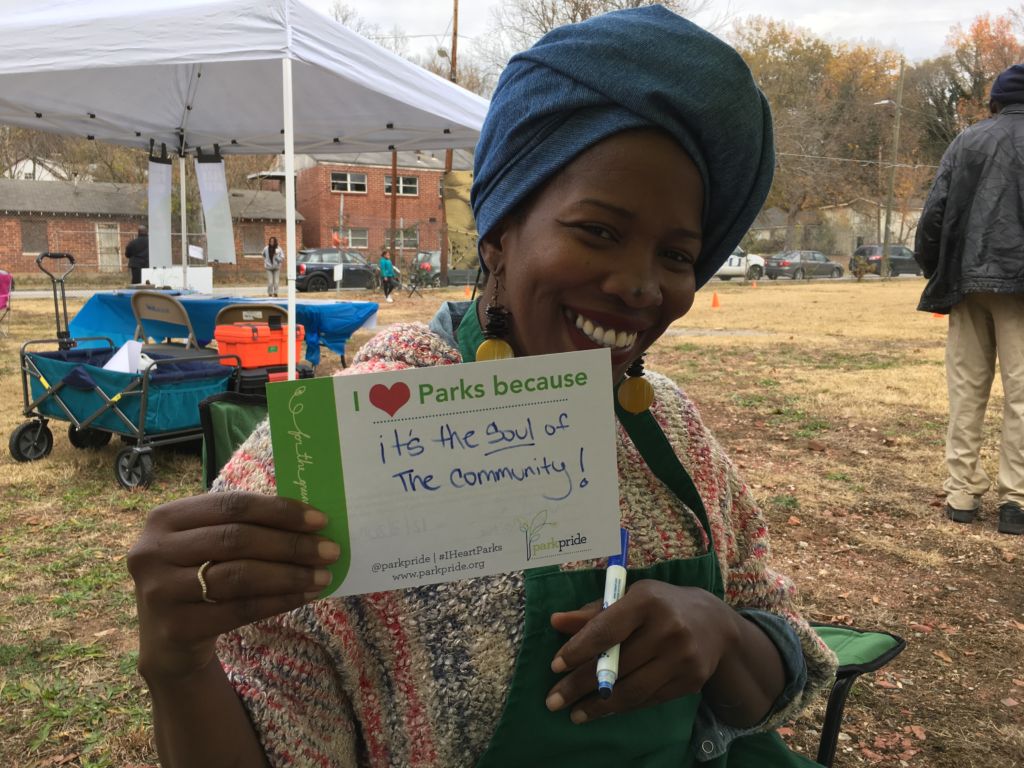
In 2013, the Proctor Creek Watershed was designated by the EPA as an Urban Waters Federal Partnership location, with goals to engage the community while improving water quality, providing green spaces, and supporting green infrastructure. The Conservation Fund was awarded an EPA Urban Waters Small Grant in 2016 to work with residents and multiple organizations of the Proctor Creek Watershed to create green infrastructure solutions that benefit the community and the environment.
May 24, 2018
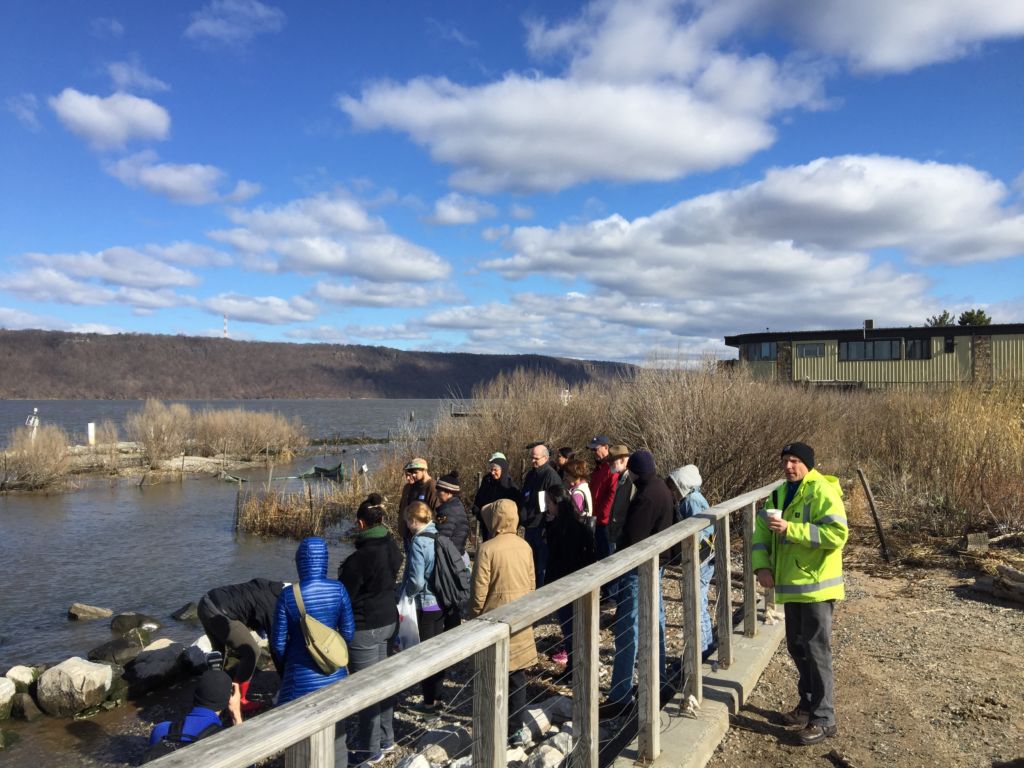
To further understand the severity and sources of bacterial pollution in the four urban subwatersheds in the Hudson River Estuary, Sarah Lawrence Center for the Urban River at Beczak (CURB), supported by an EPA Urban Waters Small Grant, created the Lower Hudson Urban Waters Collaborative. Partnering with Riverkeeper, the Hudson River Watershed Alliance, and the Bronx River Alliance, the Urban Waters Collaborative created a strong partnership in the Lower Hudson Valley in which the organizations share experiences and combine data resources with the goal of strengthening stewardship and community science capacity.

December 22, 2017
El Caño Martin Peña (CMP) is a 3.75-mile-long tidal channel located within the San Juan Bay National Estuary in Puerto Rico, the only tropical estuary within the National Estuary Program. The degraded channel has threatened not only communities’ health, but the ecosystem as well. ENLACE engages in public education activities to promote an understanding of the impacts of environmental degradation, fostering critical consciousness and democratic action to support restoration efforts. The restoration of the estuarine tidal channel will allow for mangroves to flourish and increase biodiversity, improving resilience during storms and providing opportunities for tourism.
August 22, 2017
This report, issued in 2011 by the American Society of CIvil Engineers (ASCE), provides an overview of existing water, sewer, and CSO infrastructure in the U.S., describes the “water and […]

August 22, 2017
This report makes an argument for funding the “water infrastructure gap,” showing that doing so would benefit the U.S. economy by netting $220 billion annually and supporting 1.3 million jobs. […]
November 7, 2016
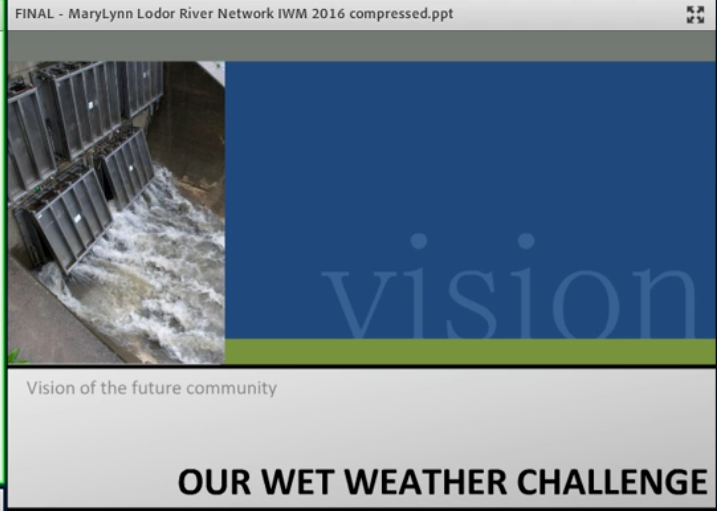
In this recorded webinar, learn how communities in Cincinnati and New Jersey – driven by combined sewer overflow problems – are seeking ways to integrate water management with other sectors […]
February 9, 2016
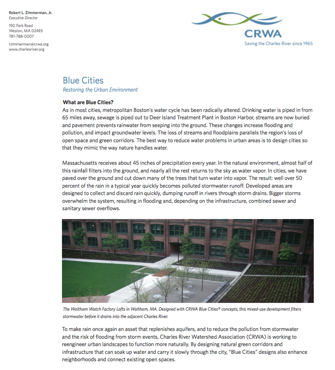
Description of how blue cities can undo the effects of open space and green corridor reduction. CRWA is working to reengineer urban landscapes to function more naturally to reduce flooding […]
February 9, 2016
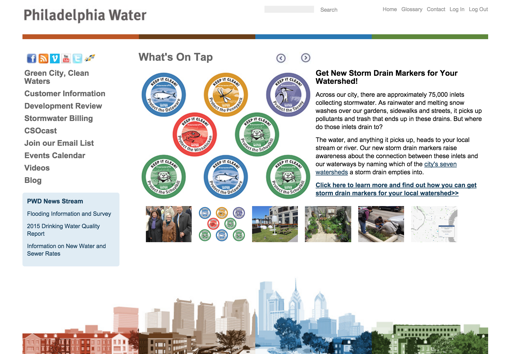
Provides an overview of green stormwater infrastructure and the vision of Philadelphia Water. This site also includes a “Homeowner’s Guide to Stormwater Management”. Website Link

March 27, 2015
Once known as the most polluted lake in the nation, Onondaga Lake has received significant attention over the last several decades. The lake’s upper water’s have undergone tremendous improvement because of efforts to remediate industrial and municipal pollution. Improvements to the county’s wastewater treatment plant as well as the reduction of combined sewer overflows (CSO) through the use of both grey and green infrastructure have led to the resurgence of the lake’s fishery.
February 4, 2015
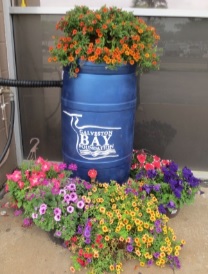
Water quality is not the most zany or attractive topic in which to engage citizens. They know it’s important, but how, really, can they affect change? The Galveston Bay Foundation has launched a successful suite of programs —matching playful and provacative messaging with down-to-earth behaviors—that will empower local citizens to improve water quality in the bay.