
school-based education
February 9, 2016
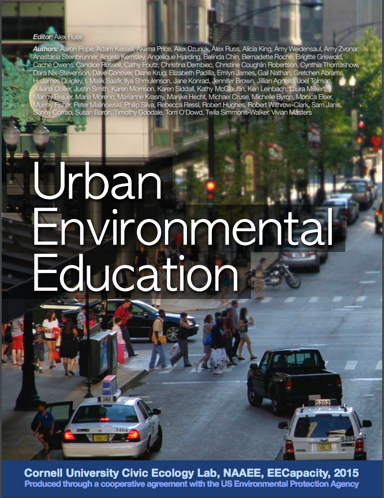
The book focuses on environmental education programs that contribute to human well-being and environmental integrity in cities.
February 8, 2016
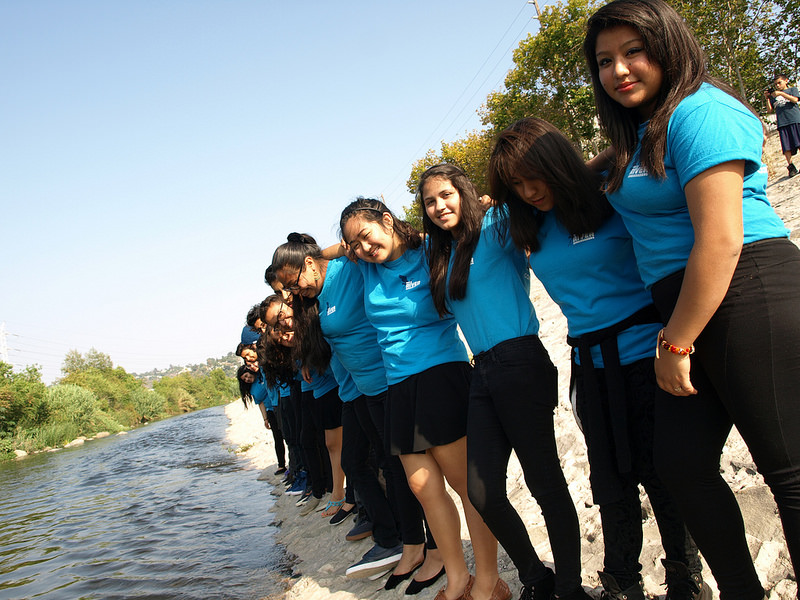
Youth from different areas in Los Angeles are creating positive change along the LA River through the River Ambassador program; a youth leadership and education program of the Mountains Recreation and Conservation Authority (MRCA). MRCA wanted to try out a program that was focused solely on the LA River and the factors impacting the health of the river. With EPA Urban Waters funding, MRCA was able to make this a reality.
August 31, 2015
Keep It Clean - Neighborhood Environmental Trios (KIC-NET) is an educator's guide to show the relation between water quality and land use with quality of life and environmental health to students.
July 29, 2015
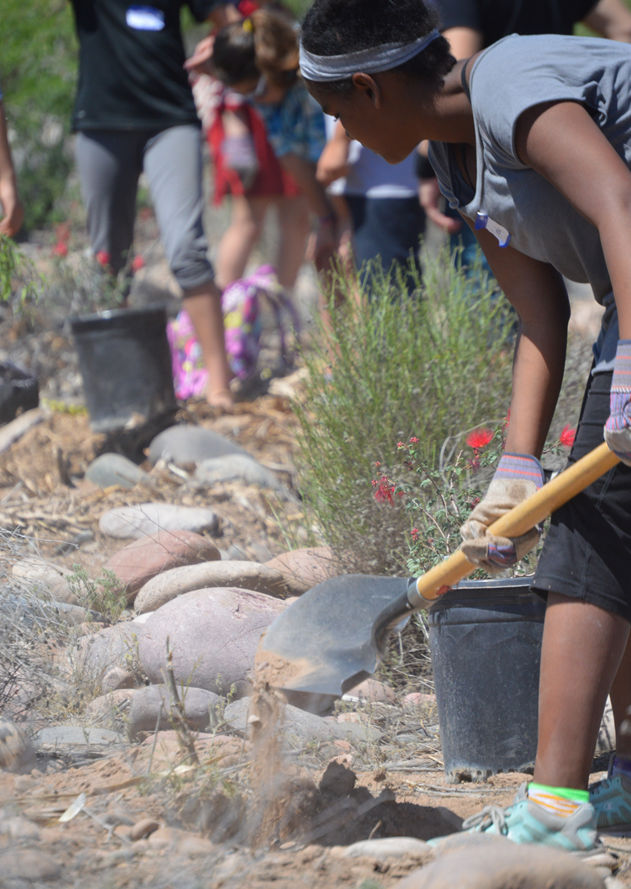
In 2014 The University of Arizona (UA) received support from the U.S EPA in the form of funding from the National Fish and Wildlife Foundation (NFWF).
This funding was used to supplement the restoration efforts conducted through Project WET; a project of the University of Arizona Cooperative Extension – Maricopa County. With this NFWF funding, UA was able to weave Monarch Butterfly habitat creation into their existing program.
April 30, 2015
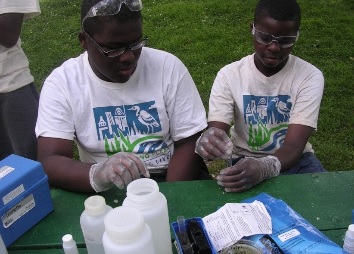
Twenty years ago, in some inner-city stretches of Mill Creek, the only living things you could find were blood worms, sludge worms, and leeches. In the summertime, fish kills were common. Carp that ventured into the stream from the Ohio River would flop onto the stream banks and die. Many species of aquatic and terrestrial wildlife
vanished from the river corridor for over 100 years because their habitat and food sources had been destroyed by intense urbanization.
April 30, 2015
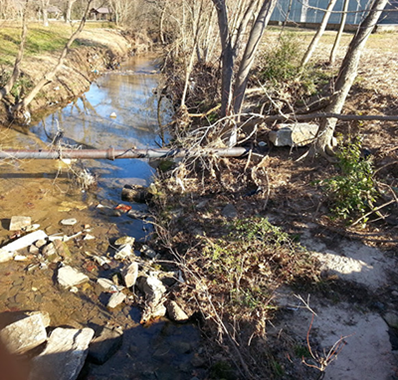
While ECO-Action serves as the lead for the project there are many partners working together to address stormwater and combined sewer overflow impact on Proctor Creek. Green infrastructure concepts and principals are being infused into the Clark Atlanta University dual engineering courses. This marks a milestone in the efforts led by ECO-Action to increase awareness among faculty, staff, and students about the importance of green infrastructure and the type of positive impacts these practices and principals can have at a local level.
February 4, 2015
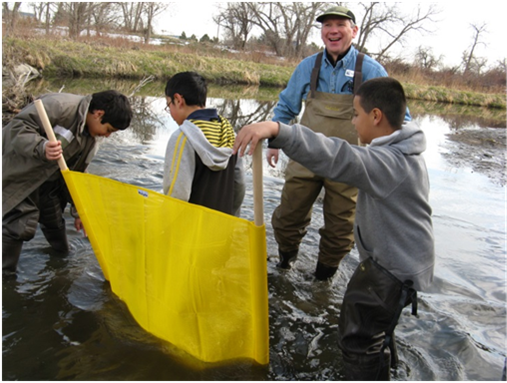
Each model site is a place where neighborhood surface waters (streams and lakes), receives water runoff from storms (stormwater), and becomes an outdoor learning site for investigations and actions by students from nearby schools. Thus Keep It Clean (KIC) - Neighborhood Environmental Trio (NET) means a program focusing on clean water (KIC), each with a school, park (preferably with a recreation center), and an accessible body of water or waterway within a few minutes walk of each other (NET).

October 10, 2014
Plaster Creek is a 14 mile-long stream that drains a watershed covering approximately 58 square miles, in metropolitan Grand Rapids, Michigan. The creek initially flows through agricultural lands, then commercial and residential areas, and finally an industrial zone and low-income neighborhoods before emptying into the Grand River.
February 26, 2014
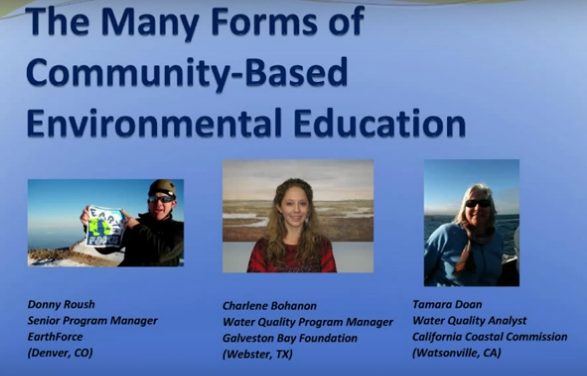
Recorded webinar that explores the many forms that environmental education may take in urban environments, including case studies from Colorado, Texas and California. Presenters include: Donny Roush, (EarthForce), Charlene […]