
public outreach
August 31, 2015
Keep It Clean - Neighborhood Environmental Trios (KIC-NET) is an educator's guide to show the relation between water quality and land use with quality of life and environmental health to students.
August 1, 2015
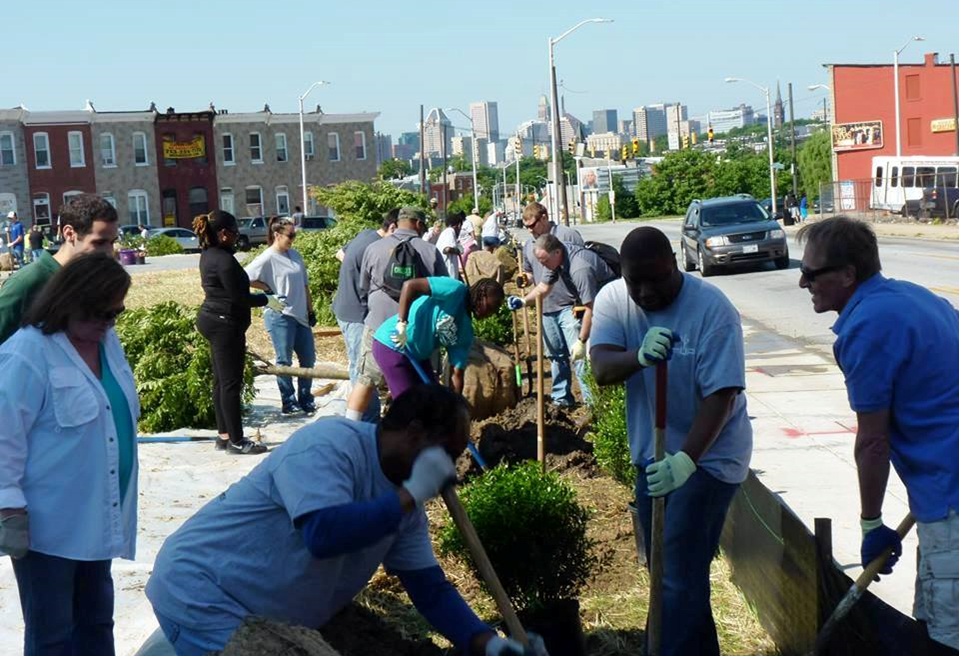
Baltimore, Maryland, home to over 30,000 vacant and abandoned lots and numerous economically disadvantaged neighborhoods, is also home to some of the most innovative job creation strategies and vacant lot reclamation projects in the nation.
June 2, 2015
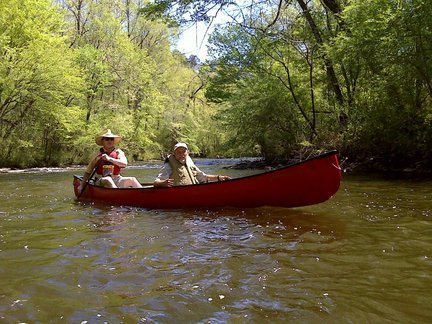
Village Creek, which flows through the heart of Birmingham, was once considered one of the most polluted streams in Alabama. Today, thanks to the Freshwater Land Trust, and with significant support from the U.S. EPA, there is new hope. The Freshwater Land Trust has gathered together community, non-profit, city and business leaders who are working together to transform Village Creek into a community asset.

April 7, 2015
In 2012 the Pollution Prevention Institute at Kansas State University was awarded a $60,000 urban waters small grant from EPA, part of which was used to conduct water quality monitoring in the river channel in addition to engaging the public in the removal of invasive species along the river bank. Intended outcomes of their project include establishing an understanding of the pollutants present in the river and helping create a more informed public which understands the importance and process of maintaining the integrity of the river channel.

March 27, 2015
Once known as the most polluted lake in the nation, Onondaga Lake has received significant attention over the last several decades. The lake’s upper water’s have undergone tremendous improvement because of efforts to remediate industrial and municipal pollution. Improvements to the county’s wastewater treatment plant as well as the reduction of combined sewer overflows (CSO) through the use of both grey and green infrastructure have led to the resurgence of the lake’s fishery.

March 26, 2015
In 2012 Groundwork Denver received funding from the Colorado Department of Public Health and Environment through the Environmental Protection Agency’s (EPA) 319 Nonpoint Source funds. With EPA’s funding Groundwork Denver has successfully created a non-point source watershed plan for the Lower Bear Creek.
February 4, 2015
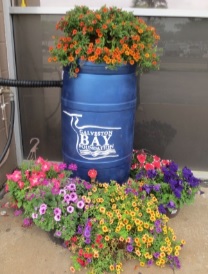
Water quality is not the most zany or attractive topic in which to engage citizens. They know it’s important, but how, really, can they affect change? The Galveston Bay Foundation has launched a successful suite of programs —matching playful and provacative messaging with down-to-earth behaviors—that will empower local citizens to improve water quality in the bay.
February 4, 2015
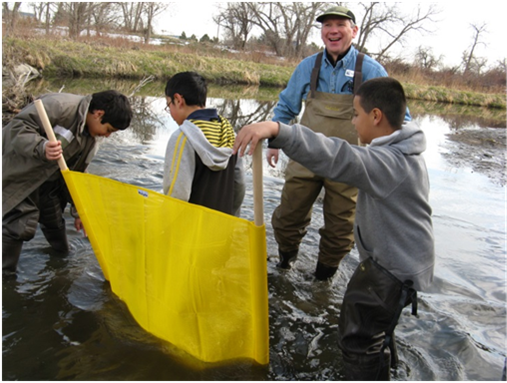
Each model site is a place where neighborhood surface waters (streams and lakes), receives water runoff from storms (stormwater), and becomes an outdoor learning site for investigations and actions by students from nearby schools. Thus Keep It Clean (KIC) - Neighborhood Environmental Trio (NET) means a program focusing on clean water (KIC), each with a school, park (preferably with a recreation center), and an accessible body of water or waterway within a few minutes walk of each other (NET).

November 24, 2014
In a city like New Orleans, community is everything. Walks down the street, one can simply speak to everyone passing by, and everyone would keep an eye out for one another. Everyone was each other’s neighbor. Eight years ago, prior to Hurricane Katrina, walking around the Lower Ninth Ward meant passing several homes on every block.

October 10, 2014
Plaster Creek is a 14 mile-long stream that drains a watershed covering approximately 58 square miles, in metropolitan Grand Rapids, Michigan. The creek initially flows through agricultural lands, then commercial and residential areas, and finally an industrial zone and low-income neighborhoods before emptying into the Grand River.