
public health

June 15, 2017
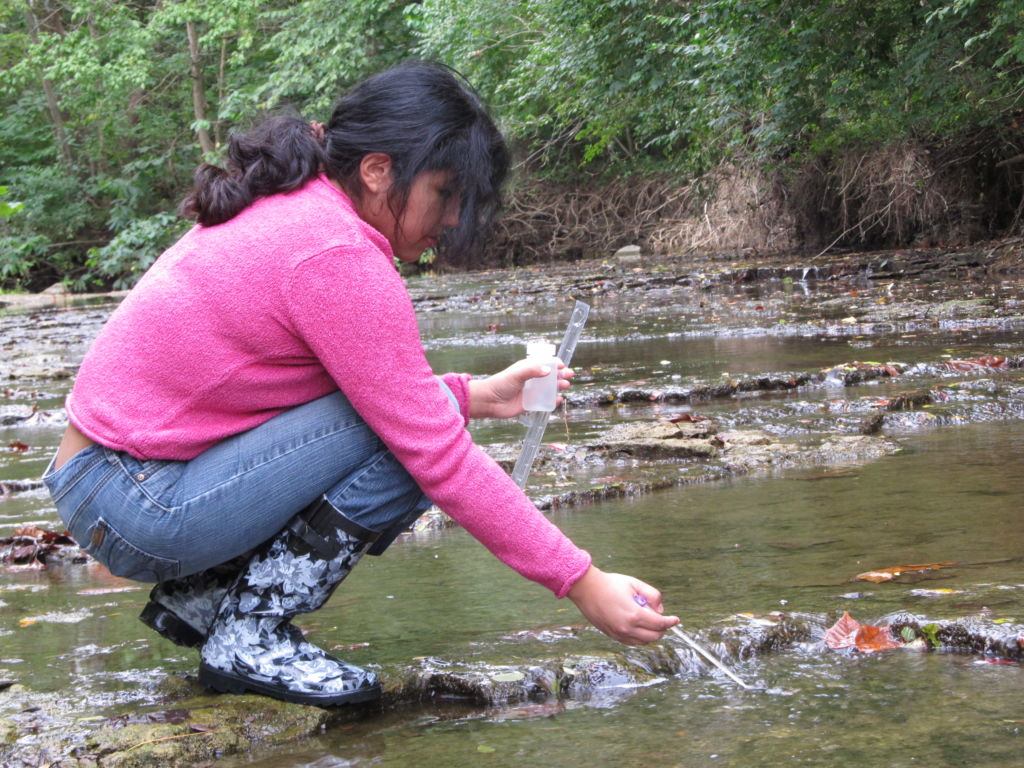
Recreation in streams and rivers is a popular activity in the Los Angeles region. Yet, there is a lack of data on the water quality of these freshwater recreational areas […]
June 9, 2017
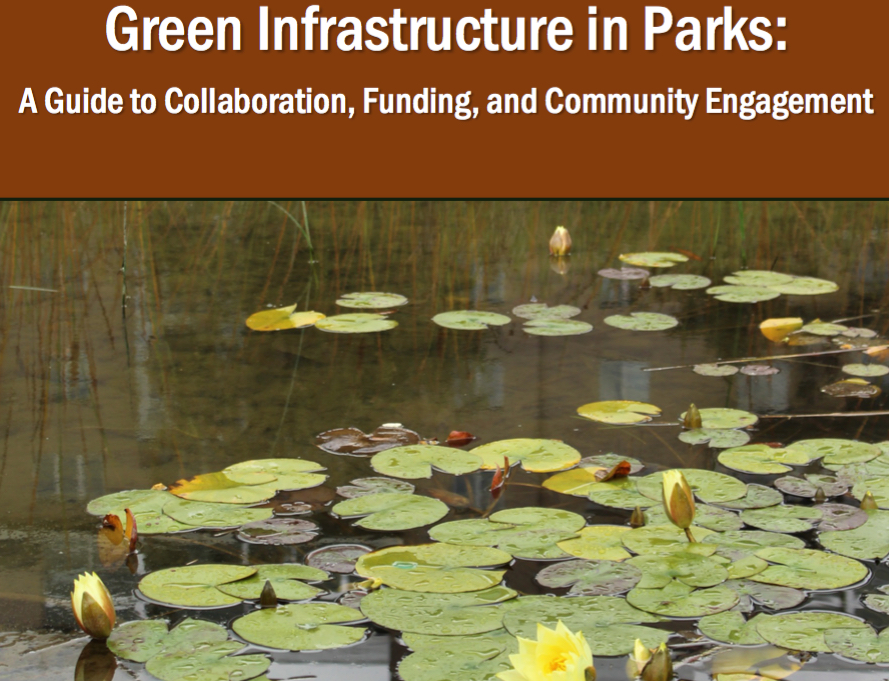
This guide is a kind of “Green Infrastructure 101”. It summarizes the benefits of green infrastructure (GI), including economic, educational, and health benefits. It explains how GI can be less […]
April 25, 2017
The Wabash River, which is Indiana’s state river, has a rich economic and cultural history. As a tributary of the Ohio River, it is part of the upper reaches of the 1,245,000-square-mile Mississippi River Basin, and so was a vital navigation and trade route for French traders traveling between Canada and the Gulf of Mexico.

June 23, 2016
The Duwamish is Seattle’s only river. It is a 5.5 mile long Superfund site that flows through Seattle’s Duwamish Valley – a highly developed urban and industrial center south of downtown. In 2014, the Duwamish River Cleanup Coalition Technical Advisory Group (DRCC/TAG) founded the Duwamish Valley Youth Corps (DVYC) with support from the Forest Service’s Urban Waters Federal Partnership. The DVYC supports environmental improvement projects identified by residents in the Duwamish River Valley. With a focus on urban forestry, river restoration, and green infrastructure, the program is equal parts environmental science, job skills training, stewardship, and hands-on restoration.

April 20, 2016
Published by the UCLA Fielding School of Public Health, the report reviews the health benefits of bringing urban rivers back to being an essential element of urban living.

February 9, 2016
A guide to help communities better manage stormwater while achieving other environmental, public health, social, and economic benefits. Download this resource

July 7, 2015
The Chattahoochee River drains more than 8,500 square miles and is the most heavily used water resource in Georgia. The river starts as a cold-water mountain stream and flows 430 miles to its confluence with the Flint River at Lake Seminole and the Florida border, traveling through the cities of Atlanta and Columbus, GA along the way.

March 26, 2015
In 2012 Groundwork Denver received funding from the Colorado Department of Public Health and Environment through the Environmental Protection Agency’s (EPA) 319 Nonpoint Source funds. With EPA’s funding Groundwork Denver has successfully created a non-point source watershed plan for the Lower Bear Creek.