
public health
March 8, 2018
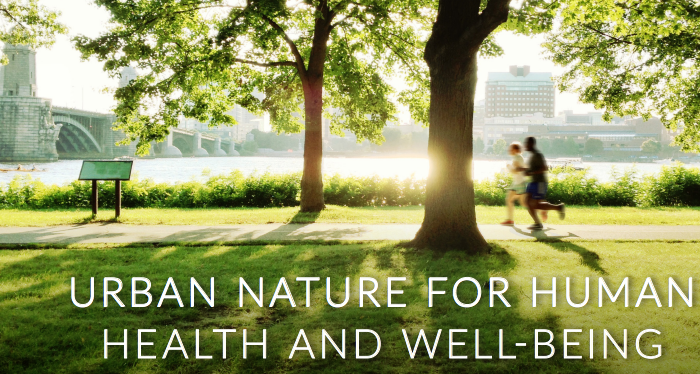
This report provides the latest research on the social, health, and economic benefits of urban green space, with an emphasis on tree canopies. Research shows that more trees and green space in urban areas directly reduce pollution, reduce heat, encourage exercise and related health, lower stress, and improve longevity among residents.

January 30, 2018
As a result of the Portland community-based collaboration funded through the EPA Urban Waters Program and led by the Oregon Operations Office, the EPA Office of Sustainable Communities provided technical […]

December 22, 2017
El Caño Martin Peña (CMP) is a 3.75-mile-long tidal channel located within the San Juan Bay National Estuary in Puerto Rico, the only tropical estuary within the National Estuary Program. The degraded channel has threatened not only communities’ health, but the ecosystem as well. ENLACE engages in public education activities to promote an understanding of the impacts of environmental degradation, fostering critical consciousness and democratic action to support restoration efforts. The restoration of the estuarine tidal channel will allow for mangroves to flourish and increase biodiversity, improving resilience during storms and providing opportunities for tourism.
December 7, 2017
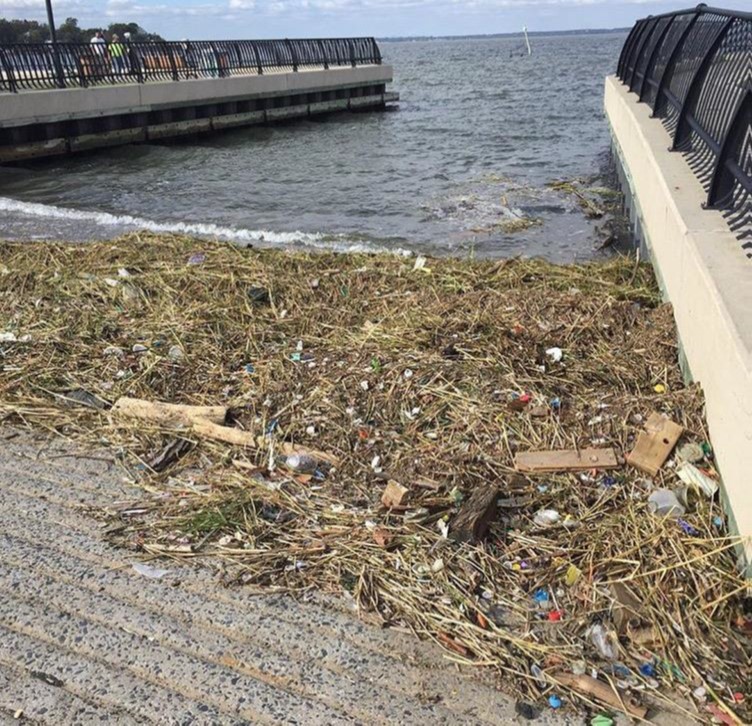
Advocating for change starts first with quantifying and documenting the extent of plastics pollution. The NY/NJ Baykeeper study illuminates the high prevalence of plastics pollution within the Harbor Estuary and highlights the importance of both decreasing plastics consumption and increasing disposal awareness.

November 16, 2017
The EPA is offering the Local Foods, Local Places Toolkit to help communities interested in using local foods to support downtown and neighborhood revitalization. Developed by EPA’s Office of Sustainable […]
October 9, 2017
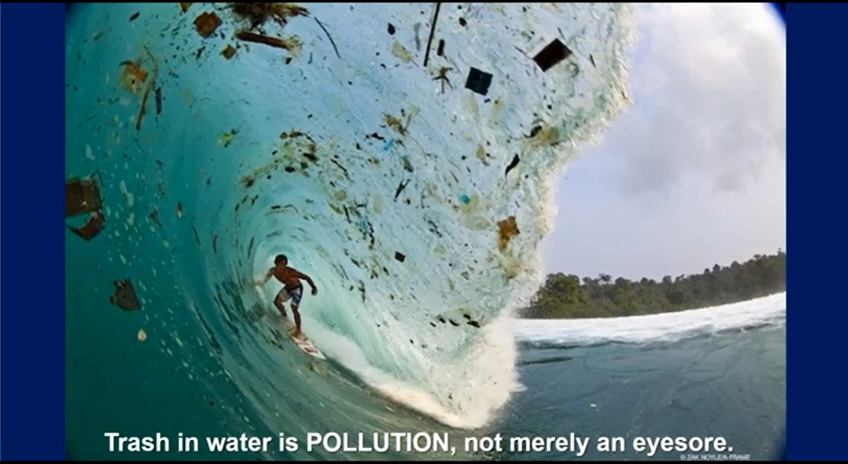
Litter and trash from consumer goods make up the majority of marine debris that pollute our waterways and oceans. Feel like your organization needs to do more than annual clean […]

October 9, 2017
Monitoring of our waterways is critical to identify issues of concern, to evaluate restoration projects’ success, and to gauge changes over time. New technologies are continually shaping the way we […]

September 25, 2017
In 2012, the Oklahoma Water Resources Board (OWRB) received an EPA Urban Waters Small Grant, sub-granted by the Oklahoma Secretary of Energy and Environment, to study the causes of the eutrophic conditions in Lakes Hefner and Overholser and to evaluate which Best Management Practices (BMPs) could significantly reduce the nutrient load affecting water quality in the lakes. Originally, the study focused on identifying BMPs that could be implemented in the lakes themselves. However, it was found that most of the pollution was coming from urban runoff entering the North Canadian River.
July 19, 2017
“The idea of an integrated systems approach to water is not new. Its full-scale implementation, however, has yet to be realized. There are many signs that water management in the […]

June 15, 2017
This project combines academic research with community-based training and solutions to address real-life water quality and public health challenges. Ten students from Arizona State University-West campus, 21 K-12 students from […]