
Federal Partnership
April 5, 2017
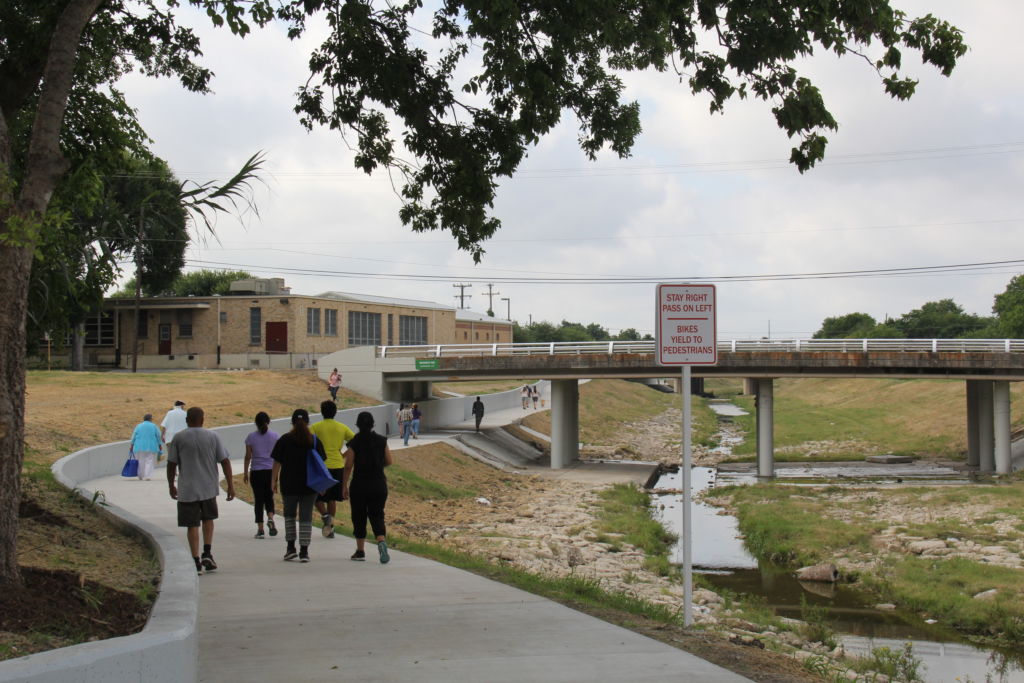
The headwaters of the San Antonio River originate in Bexar County, from which it begins a 240-mile journey through six counties toward San Antonio Bay and the Gulf of Mexico. From Spain’s colonization efforts to the emergence of San Antonio as the second most populous city in Texas, the area’s rich history and culture have been shaped by the San Antonio River.

February 9, 2017
The Valle de Oro National Wildlife Refuge, located in the South Valley of Albuquerque, New Mexico, is the first US Fish and Wildlife Service (USFWS) refuge in the Southwest to be designated an “urban refuge.” With funding from the US EPA Urban Waters Program, Amigos Bravos partnered with area organizations to engage youth directly in water quality monitoring in the Rio Grande and adjacent irrigation ditches. Many of the youth had never seen the river before, much less interacted with it.

June 23, 2016
The Duwamish is Seattle’s only river. It is a 5.5 mile long Superfund site that flows through Seattle’s Duwamish Valley – a highly developed urban and industrial center south of downtown. In 2014, the Duwamish River Cleanup Coalition Technical Advisory Group (DRCC/TAG) founded the Duwamish Valley Youth Corps (DVYC) with support from the Forest Service’s Urban Waters Federal Partnership. The DVYC supports environmental improvement projects identified by residents in the Duwamish River Valley. With a focus on urban forestry, river restoration, and green infrastructure, the program is equal parts environmental science, job skills training, stewardship, and hands-on restoration.
February 8, 2016
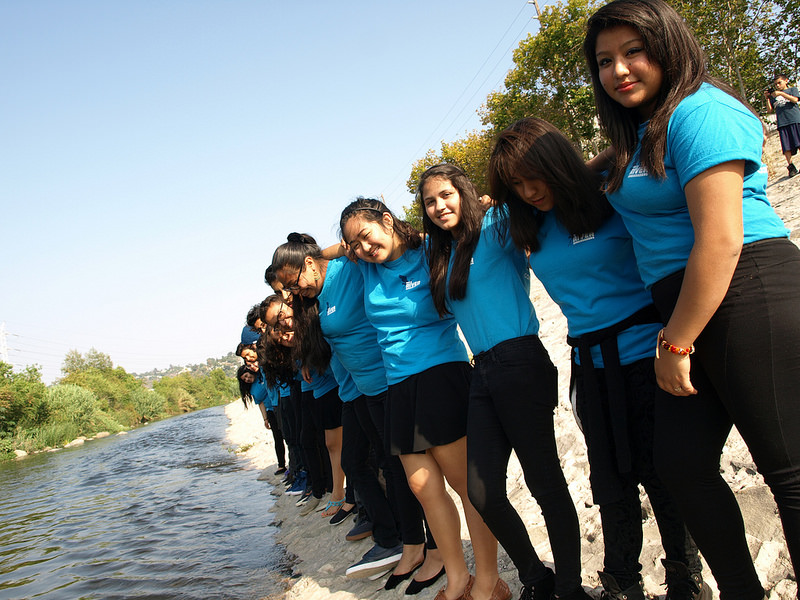
Youth from different areas in Los Angeles are creating positive change along the LA River through the River Ambassador program; a youth leadership and education program of the Mountains Recreation and Conservation Authority (MRCA). MRCA wanted to try out a program that was focused solely on the LA River and the factors impacting the health of the river. With EPA Urban Waters funding, MRCA was able to make this a reality.

February 1, 2016
Recorded webinar presenting Baltimore’s Green Pattern Book, a tool created as part of the city’s Growing Green Initiative to help guide the greening of vacant land by city agencies, nonprofit organizations and individual residents.
August 1, 2015
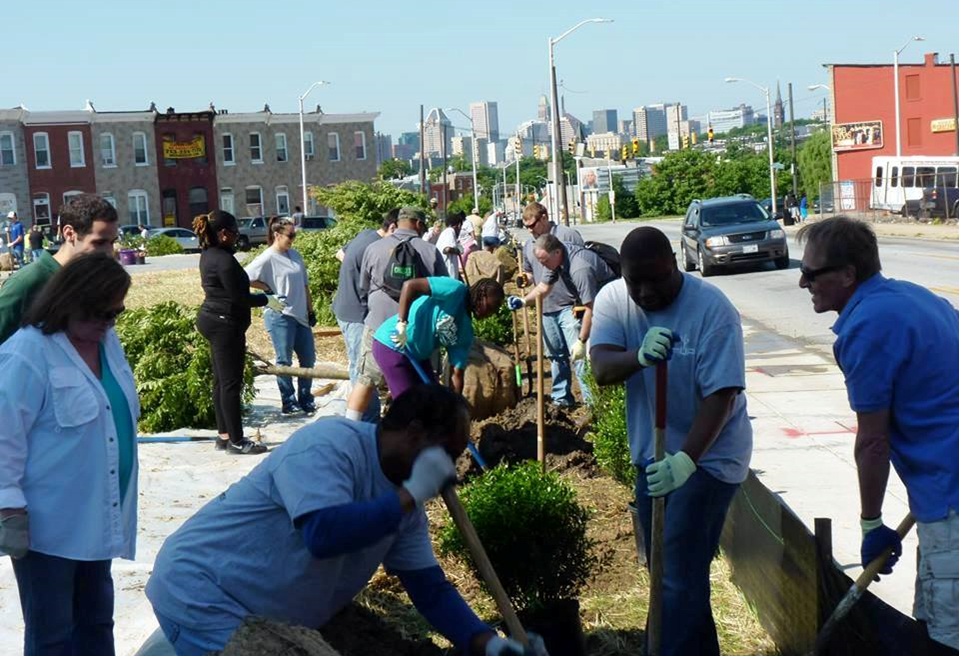
Baltimore, Maryland, home to over 30,000 vacant and abandoned lots and numerous economically disadvantaged neighborhoods, is also home to some of the most innovative job creation strategies and vacant lot reclamation projects in the nation.

March 26, 2015
In 2012 Groundwork Denver received funding from the Colorado Department of Public Health and Environment through the Environmental Protection Agency’s (EPA) 319 Nonpoint Source funds. With EPA’s funding Groundwork Denver has successfully created a non-point source watershed plan for the Lower Bear Creek.
February 4, 2015
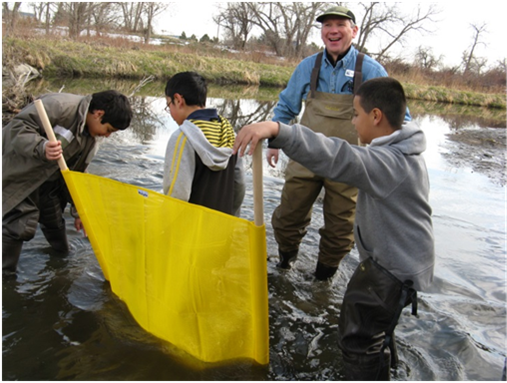
Each model site is a place where neighborhood surface waters (streams and lakes), receives water runoff from storms (stormwater), and becomes an outdoor learning site for investigations and actions by students from nearby schools. Thus Keep It Clean (KIC) - Neighborhood Environmental Trio (NET) means a program focusing on clean water (KIC), each with a school, park (preferably with a recreation center), and an accessible body of water or waterway within a few minutes walk of each other (NET).

April 1, 2014
The Urban Waters Federal Partnership, started in 2011, has provided a formal, coordinated effort to restore the river. Cities along the entire length of the river have seen the benefits of partnership projects with improved green space and water quality.