
community science

March 18, 2025
**This is the fourth webinar in a 5-part series hosted by the Urban Waters Learning Network that helps land and water equity practitioners understand and navigate funding opportunities, technical assistance […]
November 29, 2021
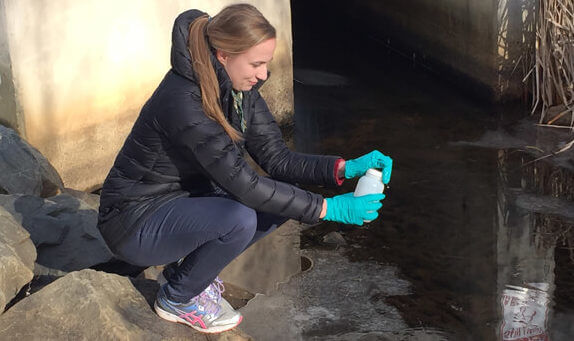
Three watershed associations in the Boston area—the Mystic River, Charles River, and Neponset River Watershed Associations—are collaborating with community volunteers and the U.S. Environmental Protection Agency (EPA) to monitor water […]

April 13, 2020
Raising awareness in three Urban Waters Learning Network locations The story map from the Urban Waters Learning Network highlights three unique water quality projects by Groundwork Denver, Heal the Bay, […]

June 18, 2019
The Bronx River Alliance, founded in 2001, is a non-profit organization that works with public and private partners to protect, improve, and restore the Bronx River. Providing a model for […]

July 26, 2018
Many organizations in urban waters settings are working on similar initiatives to restore and protect water resources. An abundance of water quality data is collected and reported on independent websites, […]
May 24, 2018
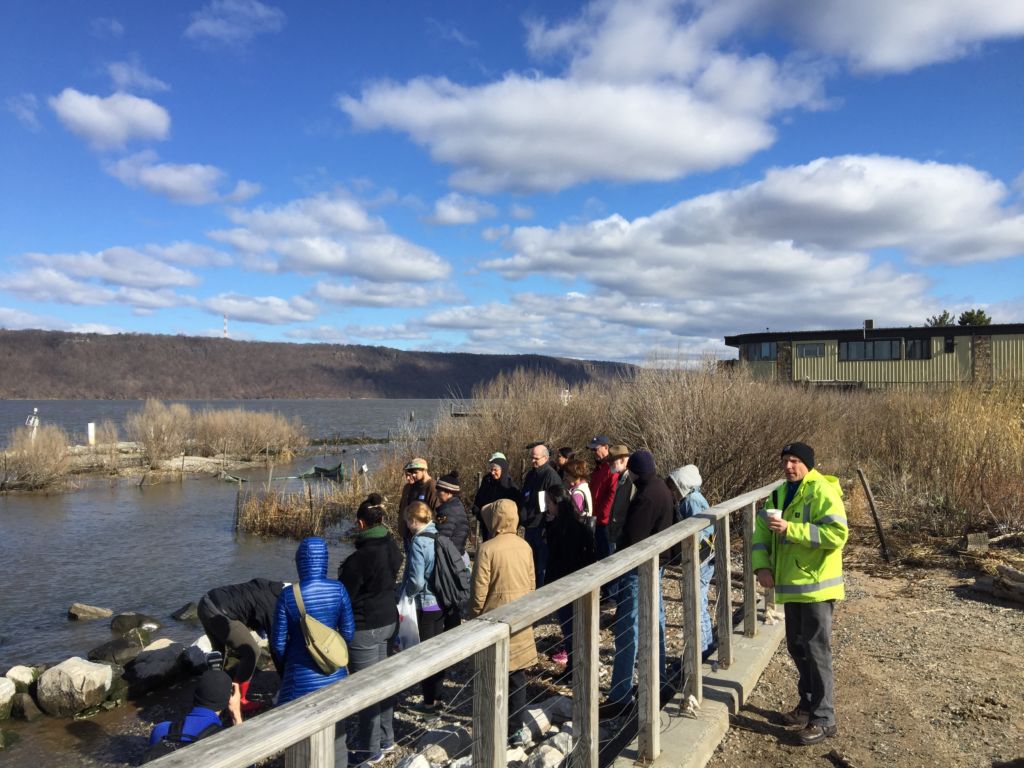
To further understand the severity and sources of bacterial pollution in the four urban subwatersheds in the Hudson River Estuary, Sarah Lawrence Center for the Urban River at Beczak (CURB), supported by an EPA Urban Waters Small Grant, created the Lower Hudson Urban Waters Collaborative. Partnering with Riverkeeper, the Hudson River Watershed Alliance, and the Bronx River Alliance, the Urban Waters Collaborative created a strong partnership in the Lower Hudson Valley in which the organizations share experiences and combine data resources with the goal of strengthening stewardship and community science capacity.

October 9, 2017
Monitoring of our waterways is critical to identify issues of concern, to evaluate restoration projects’ success, and to gauge changes over time. New technologies are continually shaping the way we […]
September 11, 2017
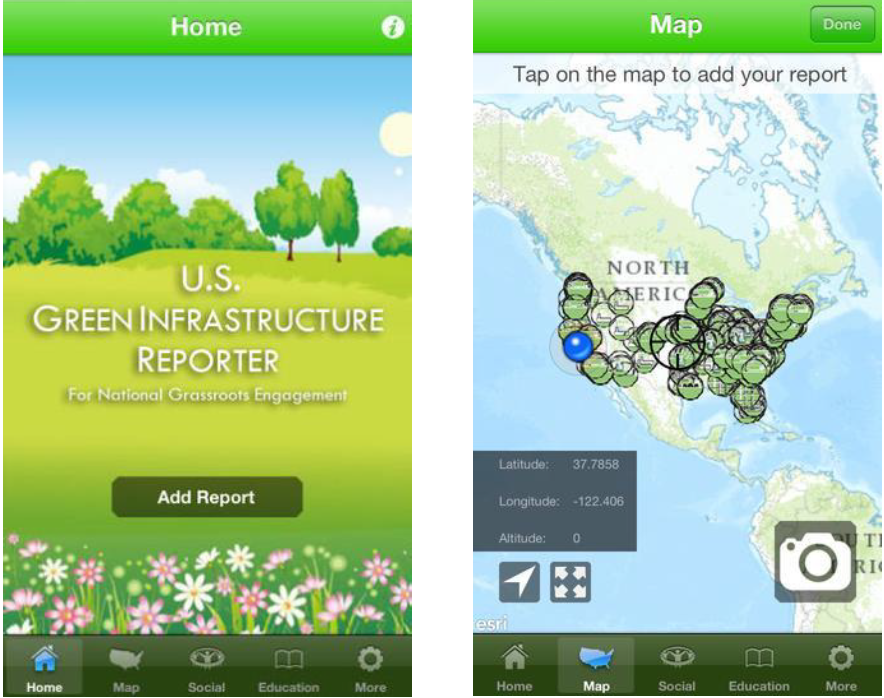
In urban settings, stormwater runoff is one of the leading water quality concerns due to limited surface area where water can infiltrate into the soil. Impervious surfaces result in water flowing quickly across pavement and down gutters and sewers rather than dispersing out evenly over the landscape. The farther and faster the water travels, the more contaminants and sediment it picks up along the way.
April 20, 2016
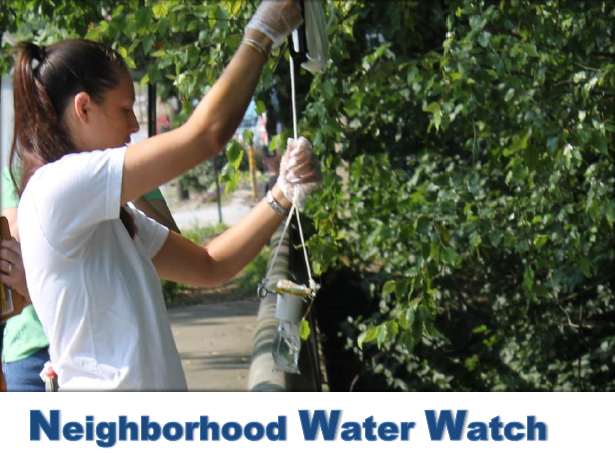
The purpose of this document is to layout the framework for other organizations to start similar volunteer based water quality monitoring programs. Though the Chattahoochee Riverkeeper program is specifically geared […]
April 20, 2016
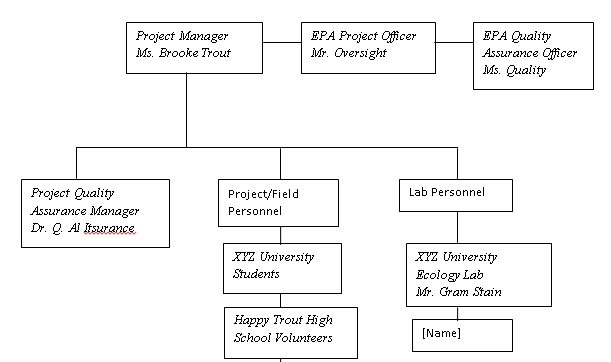
A quality assurance project plan (QAPP) states the objectives and procedures to be followed for a project that uses or collects environmental information. This WORD document was provided by EPA […]