
academic & research institutions
April 8, 2022
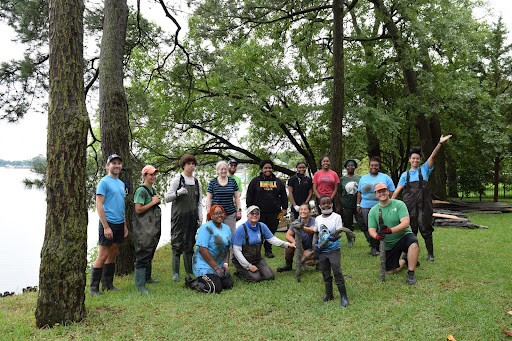
Once a thriving tidal river, the Eastern Branch of the Elizabeth River became known as the lost branch when it fell from public awareness. Stemming from this lack of awareness, it also became one of the most polluted tributaries in the watershed. The Elizabeth River Project and partners have set out to change that, with public awareness campaigns and multi-sector partnerships to restore urban shorelines with native oysters. Because of these efforts the Chesapeake Bay Program now recognizes the Eastern Branch of the Elizabeth River fully restored for oyster habitat; and there have been significant improvements in water quality demonstrating that large-scale restoration with multiple community partners can restore an once dead urban waterway.

May 28, 2019
In 2015, almost 200 United Nations member countries, including the United States, adopted 17 Sustainable Development Goals, a unanimous commitment to address global issues by improving quality of human life, […]

April 30, 2019
The guide–developed by the National Neighborhood Indicators Partnership based on the Turning the Corner project–is designed to support the analysis of neighborhood change by government, university, and non-profit organizations. The […]

March 11, 2019
The report was created by Master of Urban and Regional Planning students at Portland State University for the Living Cully partnership, which is a collaborative effort to create environmental infrastructure […]

February 8, 2019
The study done by researchers at the University of Texas at Austin had two focus points for urban residential areas: (1) to identify neighborhoods or groups within neighborhoods that are […]
May 24, 2018
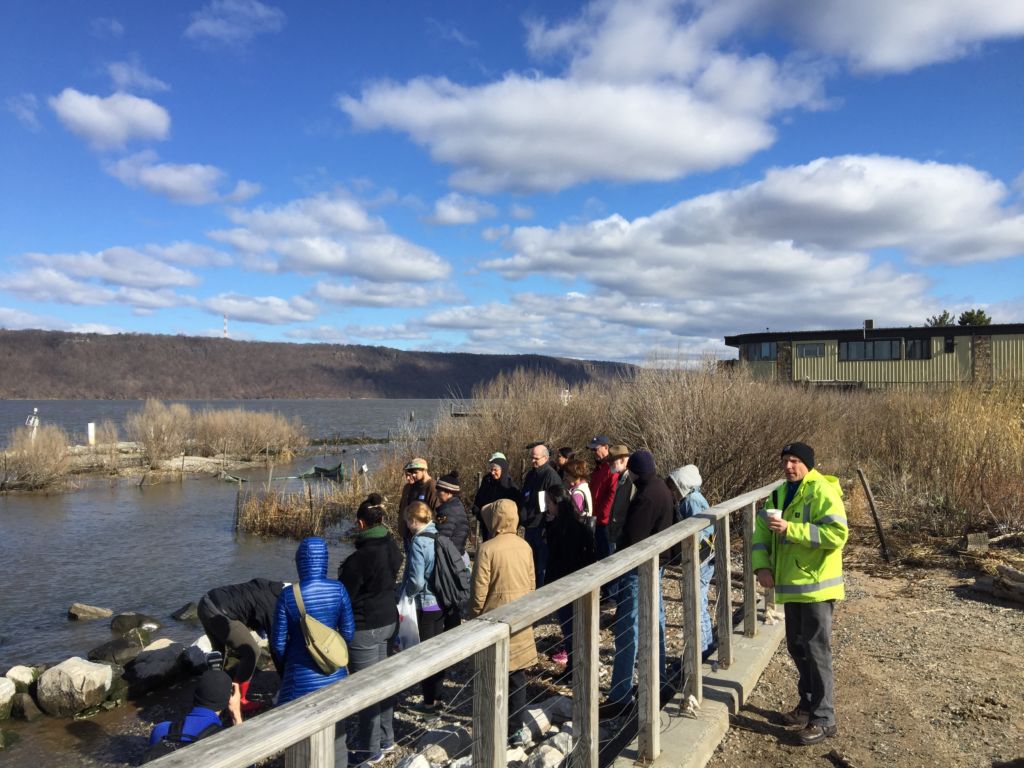
To further understand the severity and sources of bacterial pollution in the four urban subwatersheds in the Hudson River Estuary, Sarah Lawrence Center for the Urban River at Beczak (CURB), supported by an EPA Urban Waters Small Grant, created the Lower Hudson Urban Waters Collaborative. Partnering with Riverkeeper, the Hudson River Watershed Alliance, and the Bronx River Alliance, the Urban Waters Collaborative created a strong partnership in the Lower Hudson Valley in which the organizations share experiences and combine data resources with the goal of strengthening stewardship and community science capacity.

April 9, 2018
Los Angeles River Watershed: Climate, Pollution, and Policies The Los Angeles (LA) River watershed covers an area of 854 square miles, originating in the Santa Monica, Santa Susana, and San […]

March 16, 2018
With new water uses in these sections of the LA River and more revitalization on the horizon, water quality monitoring for public health and community engagement becomes chiefly important. Heal the Bay – an organization based in Santa Monica, California – has a strong history promoting environmental awareness and advocating for public health through their Beach Report Card program. Over the years they have found that when people are informed about water quality issues, they are more motivated to take care of their environment. In cooperation with students from Los Angeles Trade Technical College (LATTC) and funded by EPA’s Urban Waters small grant program, Heal the Bay expanded this initiative to create a River Report Card for the LA River and other freshwater areas where people recreate and swim.

January 5, 2018
Three projects from different organizations in the eastern United States are using creative methods to educate students about environmental issues in their communities and to empower urban youth to make a difference. While the issues that the communities face are varied, each organization is engaging youth to raise awareness and to create solutions.
September 11, 2017
In urban settings, stormwater runoff is one of the leading water quality concerns due to limited surface area where water can infiltrate into the soil. Impervious surfaces result in water flowing quickly across pavement and down gutters and sewers rather than dispersing out evenly over the landscape. The farther and faster the water travels, the more contaminants and sediment it picks up along the way.