
Impact Story

September 25, 2017
In 2012, the Oklahoma Water Resources Board (OWRB) received an EPA Urban Waters Small Grant, sub-granted by the Oklahoma Secretary of Energy and Environment, to study the causes of the eutrophic conditions in Lakes Hefner and Overholser and to evaluate which Best Management Practices (BMPs) could significantly reduce the nutrient load affecting water quality in the lakes. Originally, the study focused on identifying BMPs that could be implemented in the lakes themselves. However, it was found that most of the pollution was coming from urban runoff entering the North Canadian River.
September 11, 2017
In urban settings, stormwater runoff is one of the leading water quality concerns due to limited surface area where water can infiltrate into the soil. Impervious surfaces result in water flowing quickly across pavement and down gutters and sewers rather than dispersing out evenly over the landscape. The farther and faster the water travels, the more contaminants and sediment it picks up along the way.
April 25, 2017
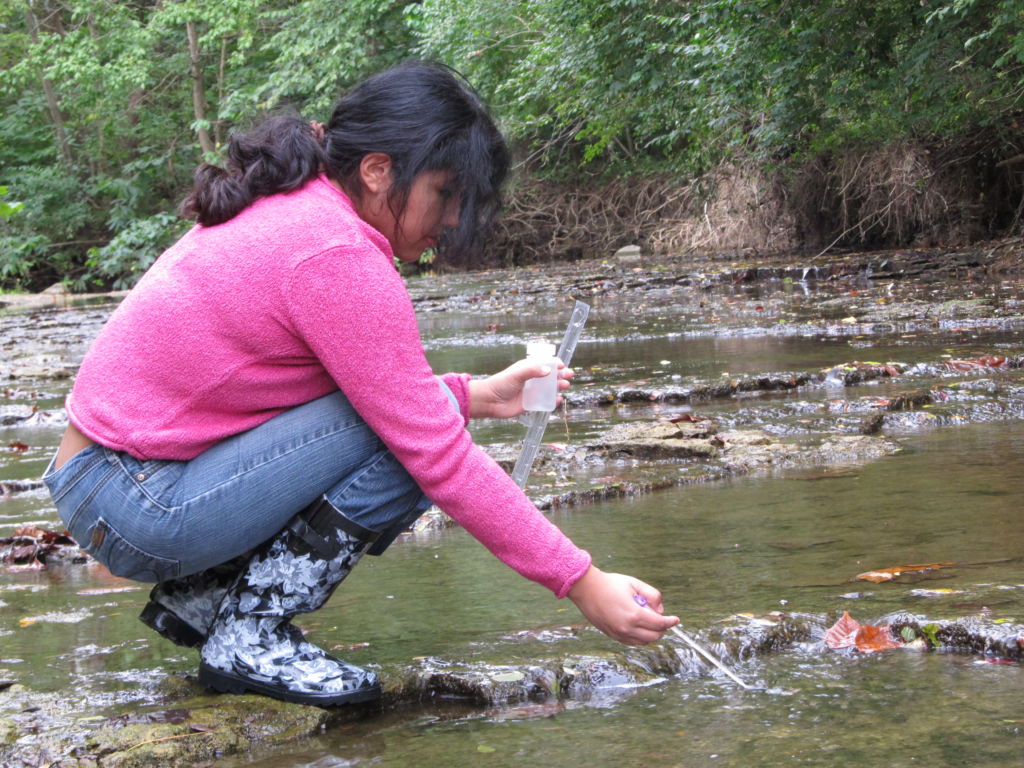
The Wabash River, which is Indiana’s state river, has a rich economic and cultural history. As a tributary of the Ohio River, it is part of the upper reaches of the 1,245,000-square-mile Mississippi River Basin, and so was a vital navigation and trade route for French traders traveling between Canada and the Gulf of Mexico.
April 7, 2017
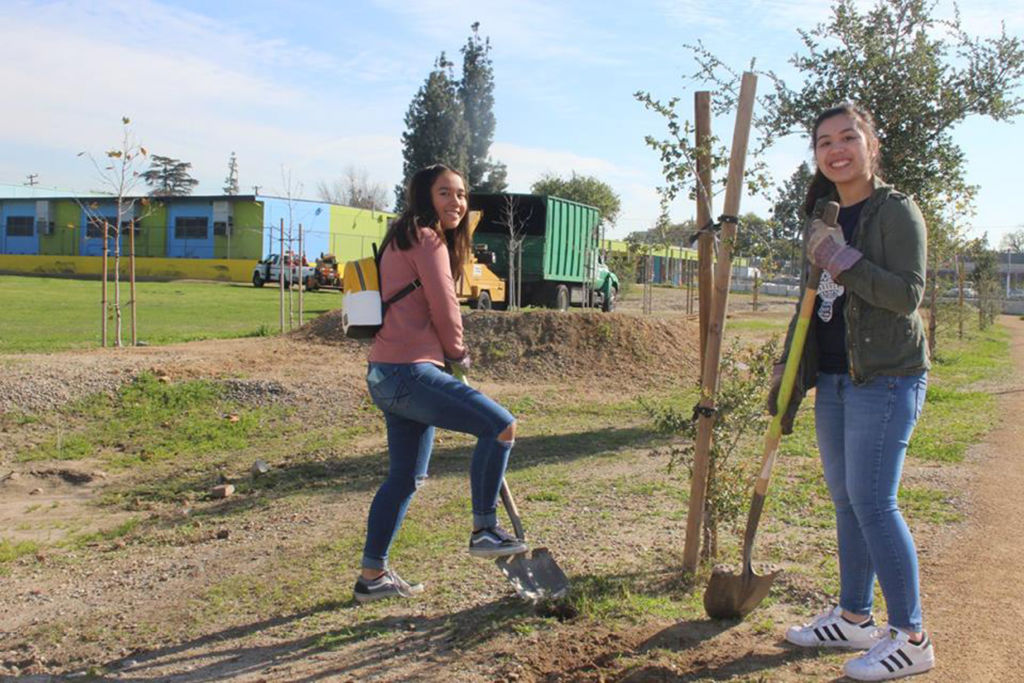
The San Gabriel River drains a 713-mile watershed in the San Gabriel Mountains, flowing as far south as Long Beach, where it enters Alamitos Bay as a tidal river. It shares its watershed with two other major rivers: the Los Angeles and the Santa Ana.

April 6, 2017
Most people are familiar with archeology as a field that explores ancient civilizations by uncovering artifacts. However, archeology has applications in modern urban locations as well. Cities change quickly, and in the process, the lives and stories of residents—and even whole neighborhoods and rivers—can be buried or substantially altered. Archeology can uncover the stories that never made it to the history books, and can also help communities to discover and tell their own stories and histories.

April 6, 2017
The Patapsco River flows for 39 miles through central Maryland and ultimately into the Chesapeake Bay. The last 10 miles of the Patapsco River form an estuary that is home to Baltimore’s Inner Harbor. Historically, the Inner Harbor was an important seaport and is still an essential component to Baltimore’s economy by being home to one of the city’s largest tourist attractions.
April 5, 2017
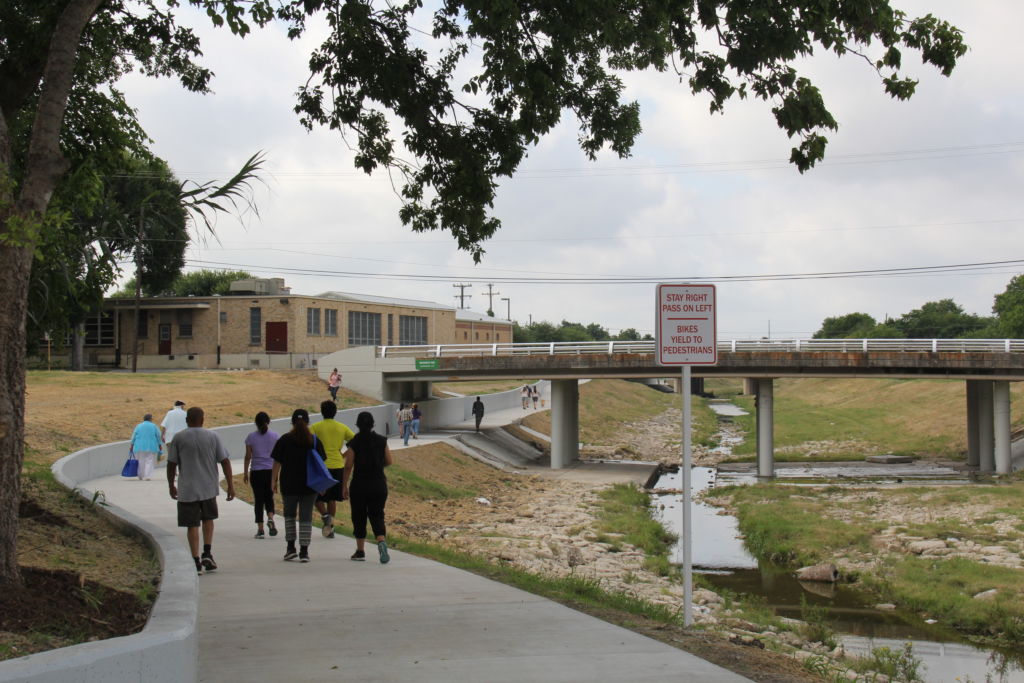
The headwaters of the San Antonio River originate in Bexar County, from which it begins a 240-mile journey through six counties toward San Antonio Bay and the Gulf of Mexico. From Spain’s colonization efforts to the emergence of San Antonio as the second most populous city in Texas, the area’s rich history and culture have been shaped by the San Antonio River.
February 13, 2017
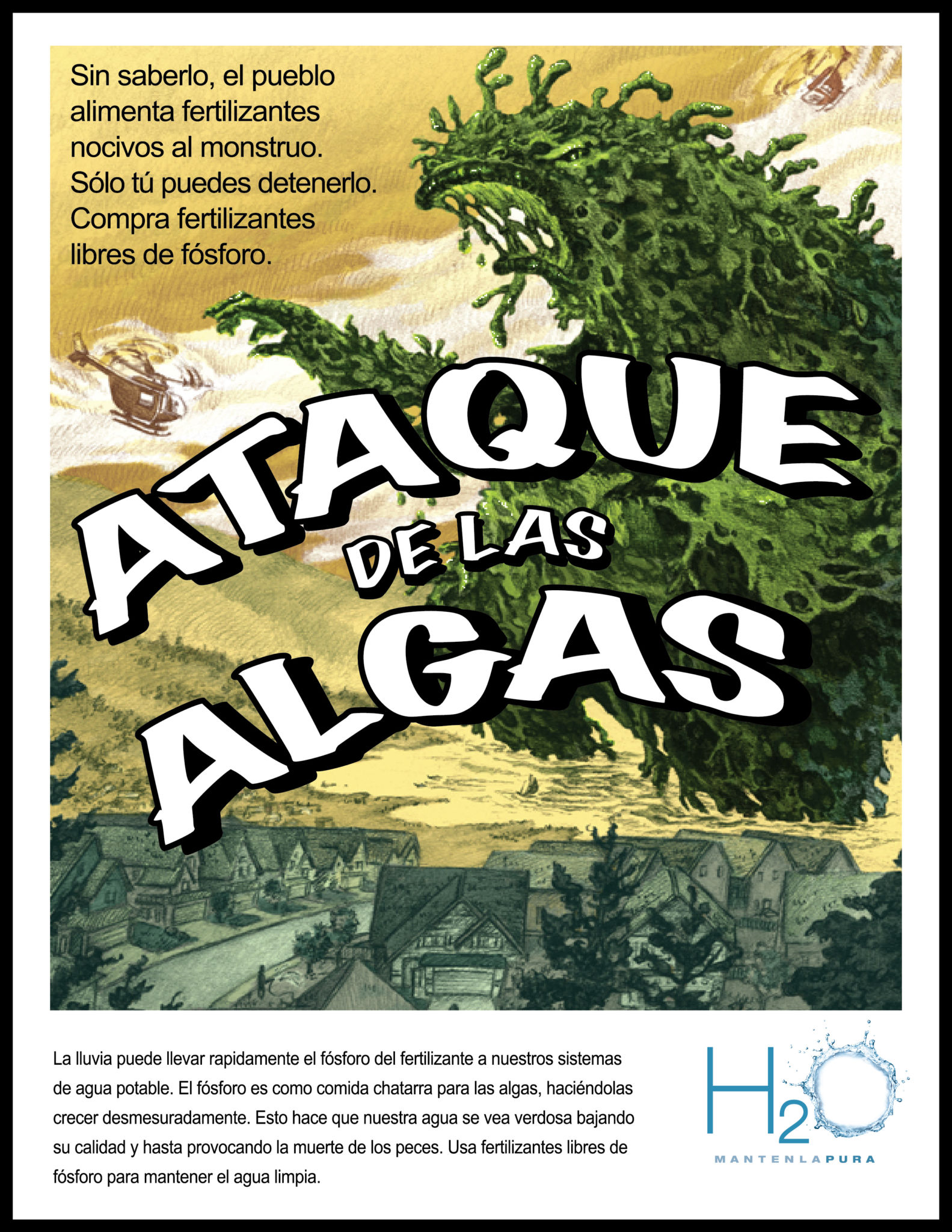
The Barr Lake and Milton Reservoir Watershed Association (BMW), with members from wastewater agencies, cities and counties, water providers, environmental groups, planning agencies, and recreational interests, believed that if Colorado residents knew how their daily choices affected the watershed, they would be more mindful and actively reduce pollution. In 2012, BMW was awarded an Urban Waters Grant from the EPA to develop and test clean water messages, including Spanish translations, and implement an ongoing messaging campaign.

February 9, 2017
The Valle de Oro National Wildlife Refuge, located in the South Valley of Albuquerque, New Mexico, is the first US Fish and Wildlife Service (USFWS) refuge in the Southwest to be designated an “urban refuge.” With funding from the US EPA Urban Waters Program, Amigos Bravos partnered with area organizations to engage youth directly in water quality monitoring in the Rio Grande and adjacent irrigation ditches. Many of the youth had never seen the river before, much less interacted with it.
January 11, 2017
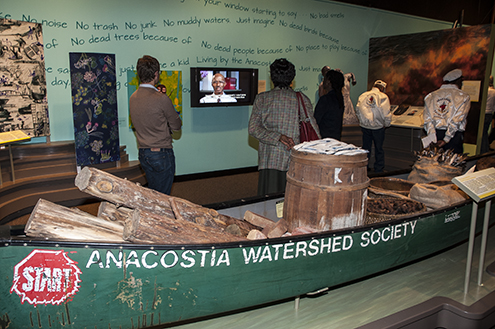
The Smithsonian's Anacostia Community Museum explores issues impacting urban contemporary communities. Its approach starts with research and documentation of urban life and history organized around the concerns that are relevant to the largely African American residents in the local river neighborhoods east of the Anacostia River, where the museum is located; then expands to metropolitan Washington, DC area and to like urban communities. Through its innovative research focus, exhibitions, and education programs on the issue of urban waterways, the museum has actively encouraged community investment and stewardship.