
Impact Story
September 10, 2018
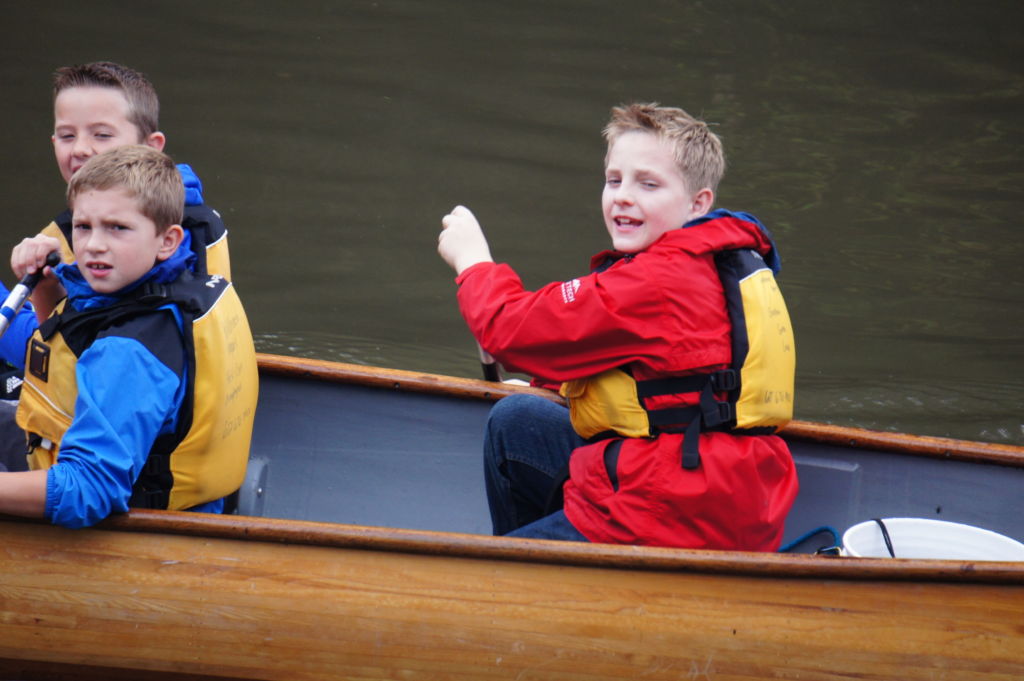
Together, partners in the Northwest Indiana area are leading people to the water. The LaPorte Soil and Water Conservation District (SWCD) – established in 1937 by the Indiana Soil Conservation Act – plays a vital role in both the Trail Creek Watershed Partnership and the Northwest Indiana Federal Partnership. They offer a variety of programs that educate and empower the community to take an active role in protecting their environment. In addition, the LaPorte SWCD is involved in watershed planning, advocating and implementing best management practices within the Trail Creek Watershed.
June 20, 2018
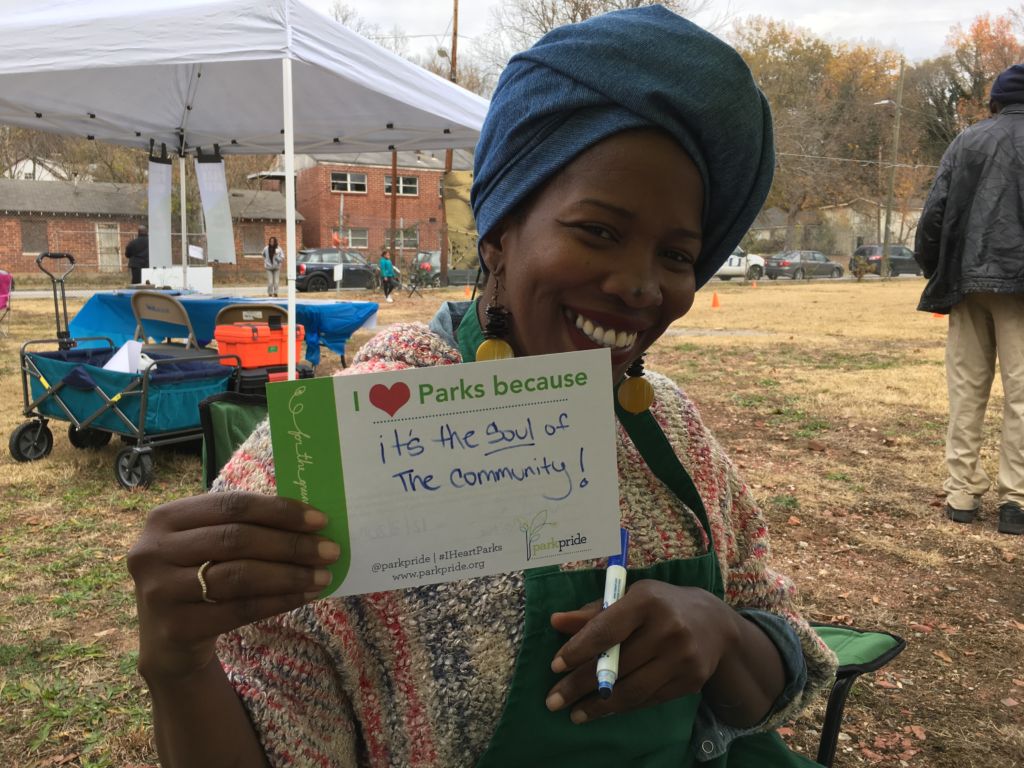
In 2013, the Proctor Creek Watershed was designated by the EPA as an Urban Waters Federal Partnership location, with goals to engage the community while improving water quality, providing green spaces, and supporting green infrastructure. The Conservation Fund was awarded an EPA Urban Waters Small Grant in 2016 to work with residents and multiple organizations of the Proctor Creek Watershed to create green infrastructure solutions that benefit the community and the environment.
May 24, 2018
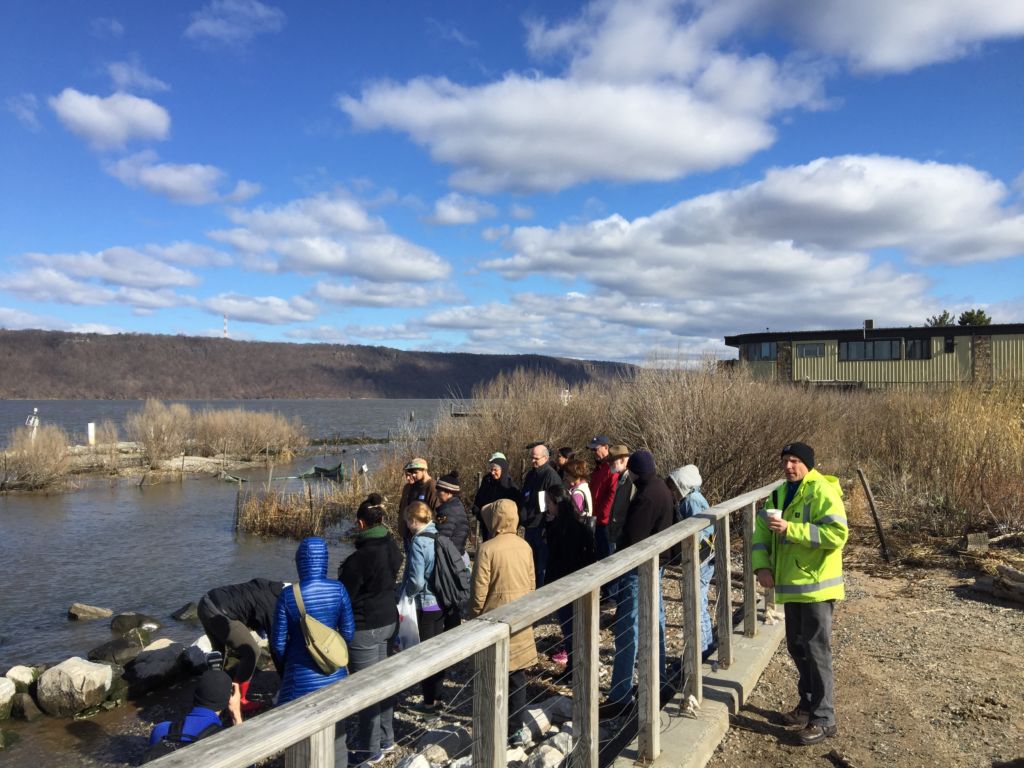
To further understand the severity and sources of bacterial pollution in the four urban subwatersheds in the Hudson River Estuary, Sarah Lawrence Center for the Urban River at Beczak (CURB), supported by an EPA Urban Waters Small Grant, created the Lower Hudson Urban Waters Collaborative. Partnering with Riverkeeper, the Hudson River Watershed Alliance, and the Bronx River Alliance, the Urban Waters Collaborative created a strong partnership in the Lower Hudson Valley in which the organizations share experiences and combine data resources with the goal of strengthening stewardship and community science capacity.
April 9, 2018
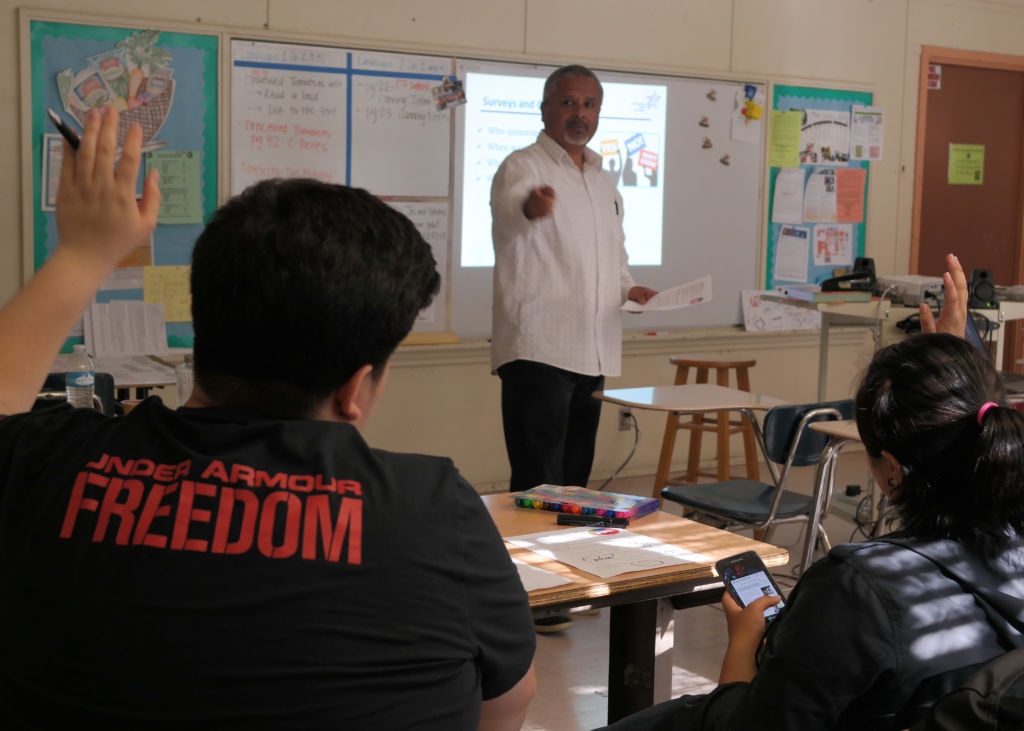
Los Angeles River Watershed: Climate, Pollution, and Policies The Los Angeles (LA) River watershed covers an area of 854 square miles, originating in the Santa Monica, Santa Susana, and San […]

March 16, 2018
With new water uses in these sections of the LA River and more revitalization on the horizon, water quality monitoring for public health and community engagement becomes chiefly important. Heal the Bay – an organization based in Santa Monica, California – has a strong history promoting environmental awareness and advocating for public health through their Beach Report Card program. Over the years they have found that when people are informed about water quality issues, they are more motivated to take care of their environment. In cooperation with students from Los Angeles Trade Technical College (LATTC) and funded by EPA’s Urban Waters small grant program, Heal the Bay expanded this initiative to create a River Report Card for the LA River and other freshwater areas where people recreate and swim.

January 9, 2018
RiverXchange—a school-based program that supports and supplements Common Core and 21st Century Standards—is designed to introduce water resources concepts to young people using a variety of fun methods that integrate writing, math, science, and physical activity. By interacting with models, reading relevant texts, learning from experts, and going on field trips, students learn about watersheds, river ecosystems, and the importance of water conservation. They also learn how to monitor water quality and calculate their own ecological footprints, then internalize these concepts by writing about them in their own words.

January 5, 2018
Three projects from different organizations in the eastern United States are using creative methods to educate students about environmental issues in their communities and to empower urban youth to make a difference. While the issues that the communities face are varied, each organization is engaging youth to raise awareness and to create solutions.

December 22, 2017
El Caño Martin Peña (CMP) is a 3.75-mile-long tidal channel located within the San Juan Bay National Estuary in Puerto Rico, the only tropical estuary within the National Estuary Program. The degraded channel has threatened not only communities’ health, but the ecosystem as well. ENLACE engages in public education activities to promote an understanding of the impacts of environmental degradation, fostering critical consciousness and democratic action to support restoration efforts. The restoration of the estuarine tidal channel will allow for mangroves to flourish and increase biodiversity, improving resilience during storms and providing opportunities for tourism.
December 7, 2017
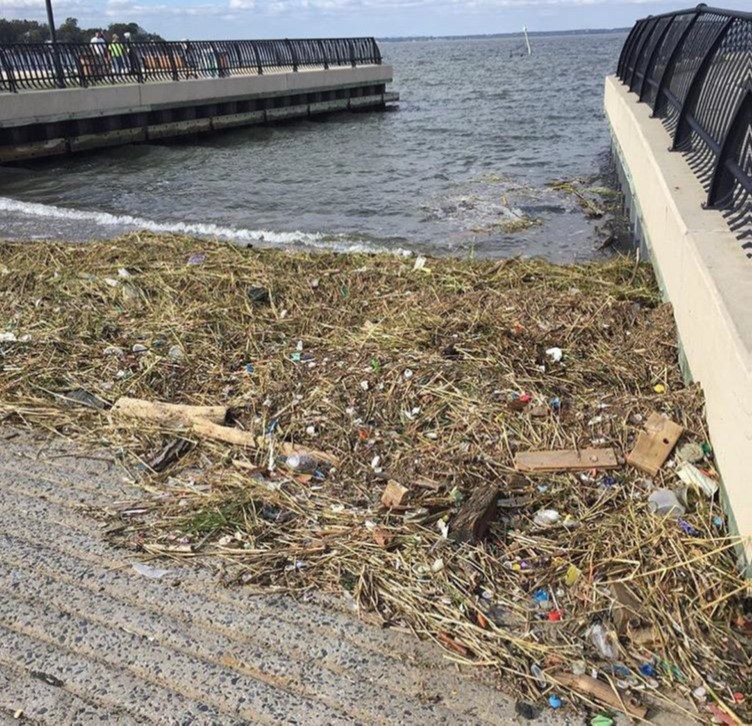
Advocating for change starts first with quantifying and documenting the extent of plastics pollution. The NY/NJ Baykeeper study illuminates the high prevalence of plastics pollution within the Harbor Estuary and highlights the importance of both decreasing plastics consumption and increasing disposal awareness.

November 6, 2017
Service learning is a powerful tool for connecting people and their communities to local parks and natural areas. To celebrate the centennial of the National Park Service, the REI Foundation partnered with the National Park Foundation to fund projects that introduce underserved, inner-city youth to their nearby national parks and engage them in service projects to improve them. The project purpose is to foster stewardship among participants, help them to discover opportunities for outdoor recreation, and instill the value of nature and our nations’ parks—both national and local.