
workforce development
July 29, 2015
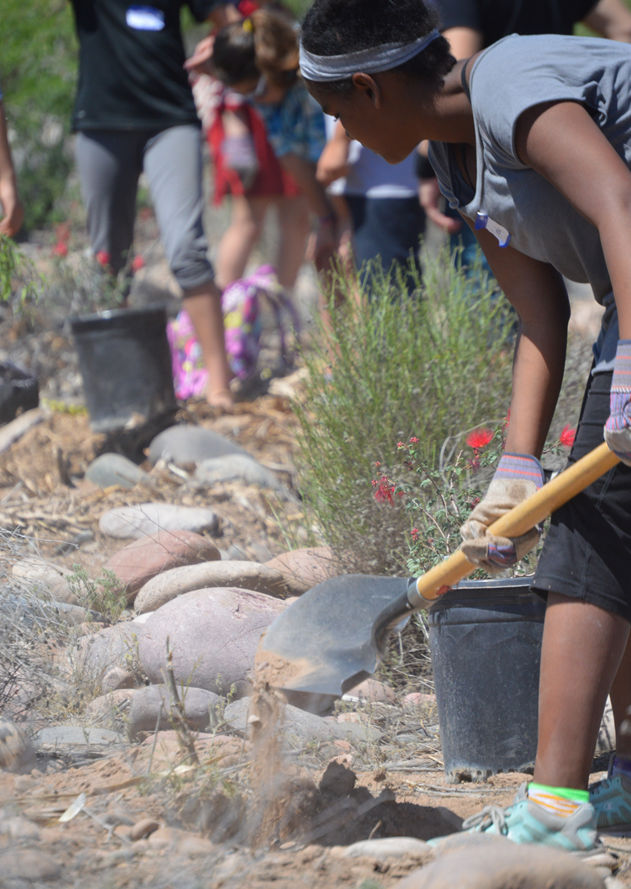
In 2014 The University of Arizona (UA) received support from the U.S EPA in the form of funding from the National Fish and Wildlife Foundation (NFWF).
This funding was used to supplement the restoration efforts conducted through Project WET; a project of the University of Arizona Cooperative Extension – Maricopa County. With this NFWF funding, UA was able to weave Monarch Butterfly habitat creation into their existing program.

June 6, 2015
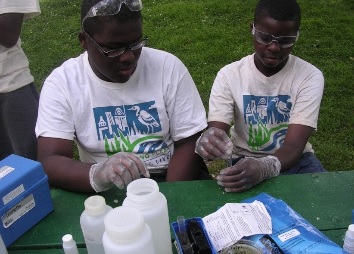
In 2014 the Blue River Watershed Association (BRWA) received $59,940 from EPA’s Urban Waters Program to work with its partner agencies to engage eight teams of urban middle school students, four teams this spring and four teams in the fall. BRWA will engage the youth in water quality monitoring studies, data collection, and community presentations and projects.
April 30, 2015
Twenty years ago, in some inner-city stretches of Mill Creek, the only living things you could find were blood worms, sludge worms, and leeches. In the summertime, fish kills were common. Carp that ventured into the stream from the Ohio River would flop onto the stream banks and die. Many species of aquatic and terrestrial wildlife
vanished from the river corridor for over 100 years because their habitat and food sources had been destroyed by intense urbanization.

March 27, 2015
Once known as the most polluted lake in the nation, Onondaga Lake has received significant attention over the last several decades. The lake’s upper water’s have undergone tremendous improvement because of efforts to remediate industrial and municipal pollution. Improvements to the county’s wastewater treatment plant as well as the reduction of combined sewer overflows (CSO) through the use of both grey and green infrastructure have led to the resurgence of the lake’s fishery.

November 24, 2014
In a city like New Orleans, community is everything. Walks down the street, one can simply speak to everyone passing by, and everyone would keep an eye out for one another. Everyone was each other’s neighbor. Eight years ago, prior to Hurricane Katrina, walking around the Lower Ninth Ward meant passing several homes on every block.