
stormwater & green infrastructure
February 9, 2016
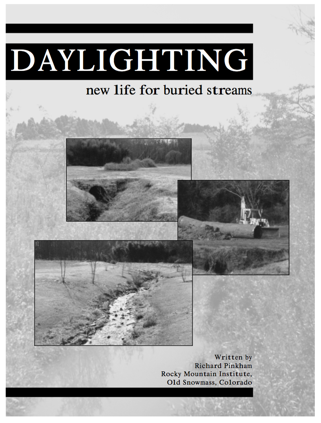
Report describing the process of daylighting streams. Daylighting projects liberate waterways that were buried in culverts or pipes or otherwise removed from view and re-establishes a waterway in its old […]

February 1, 2016
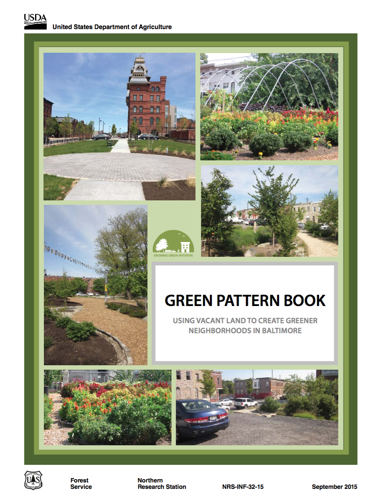
Recorded webinar presenting Baltimore’s Green Pattern Book, a tool created as part of the city’s Growing Green Initiative to help guide the greening of vacant land by city agencies, nonprofit organizations and individual residents.
January 28, 2016
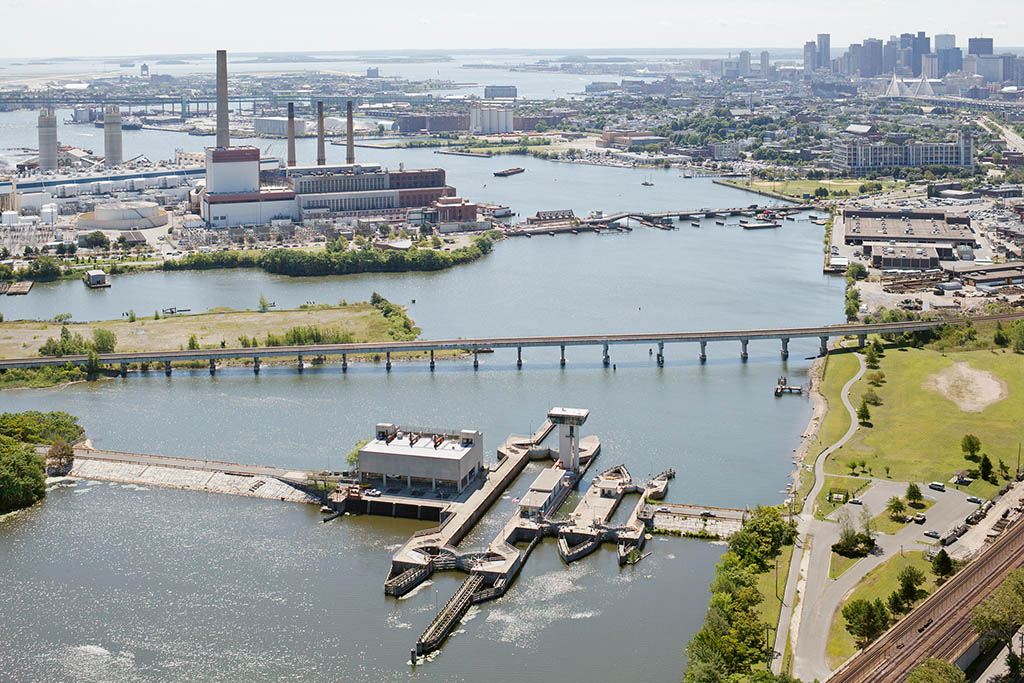
Momentum for improving the Mystic River got started in 1969 when various agencies and local planning departments published a report outlining plans to tackle the high levels of pollution and improve recreational opportunities on the Mystic River Reservation, a publicly-owned nature preserve. By the early 1980’s, greenways with bike and pedestrian trails started to be installed.

December 11, 2015
Centennial Creek, a tributary of the Salinas River, begins east of the City of Paso Robles, California and flows into the Salinas River on the west side of town. The Salinas River flows into the Monterrey Bay National Marine Sanctuary. This is significant because any improvements made to Centennial Creek, though miles away, will positively impact the marine sanctuary.

December 8, 2015
Recorded webinar describing Civic Works' and the Center for Watershed Protection's efforts to create a certification-based stormwater training.
October 12, 2015
Homeowners guide to managing water on residential property. Step-by-step “recipes” to use on properties to reduce water pollution and small-scale flooding. Download this resource
October 12, 2015
(needs pdf compressed then uploaded, linked to pic, and hyperlinked
August 1, 2015
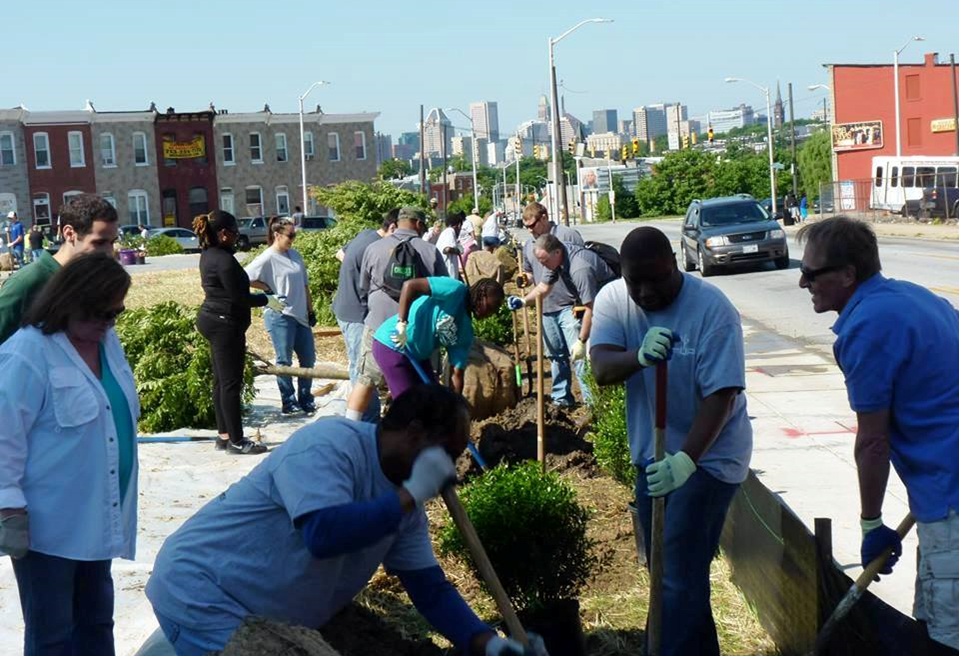
Baltimore, Maryland, home to over 30,000 vacant and abandoned lots and numerous economically disadvantaged neighborhoods, is also home to some of the most innovative job creation strategies and vacant lot reclamation projects in the nation.
July 15, 2015
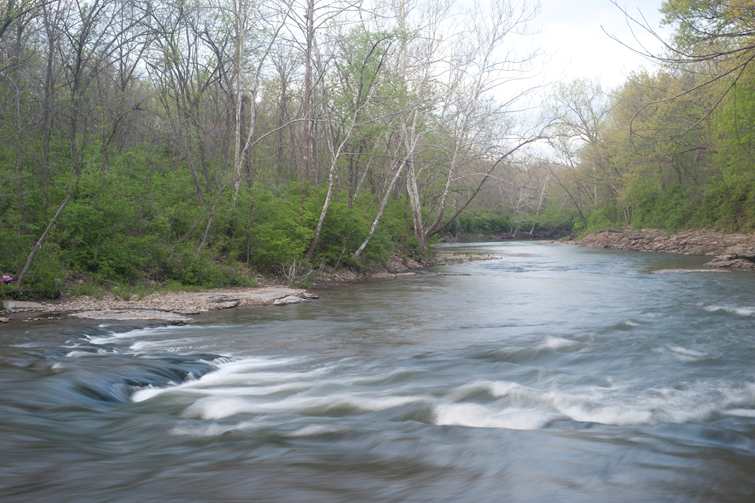
Heartland Conservation Alliance (HCA) was created as an alliance of diverse partners who share a vision and work collectively to conserve natural areas, connect people to nature and convene partners. Their mission is creating multiple benefits for people by focusing on projects that save Kansas City’s valuable natural resources and give them back to benefit the community—“ecological democracy.”
April 30, 2015
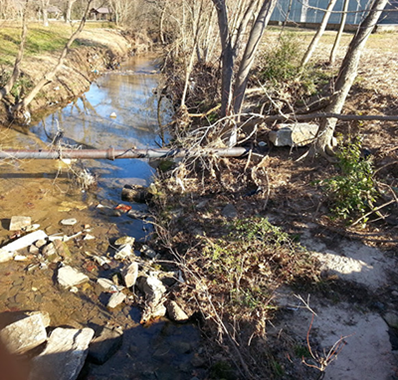
While ECO-Action serves as the lead for the project there are many partners working together to address stormwater and combined sewer overflow impact on Proctor Creek. Green infrastructure concepts and principals are being infused into the Clark Atlanta University dual engineering courses. This marks a milestone in the efforts led by ECO-Action to increase awareness among faculty, staff, and students about the importance of green infrastructure and the type of positive impacts these practices and principals can have at a local level.