
stormwater & green infrastructure
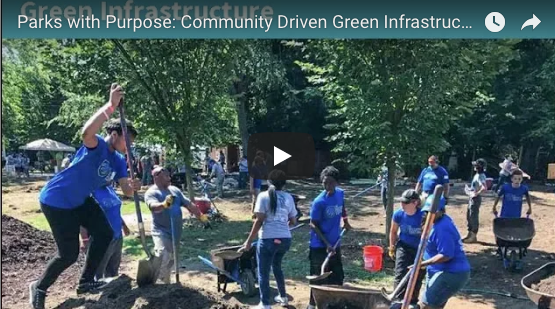
September 17, 2018
Through their Parks with Purpose program, The Conservation Fund and partner organizations are designing and implementing green infrastructure in underserved urban communities while engaging and training residents to make way for lasting change.
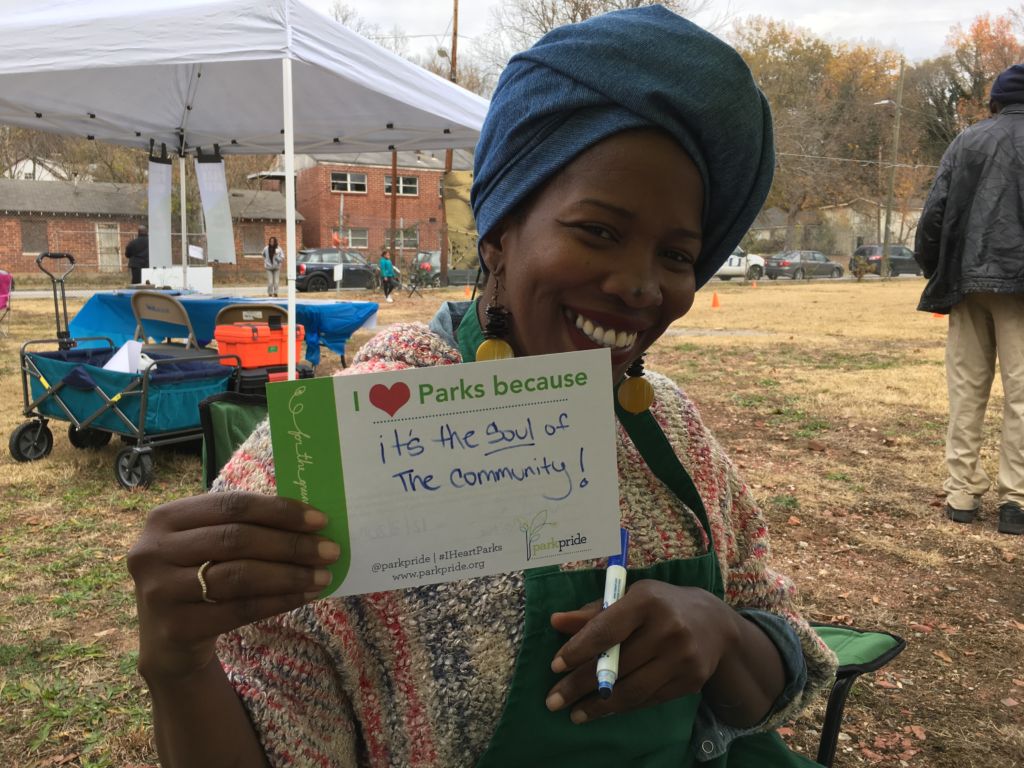
June 20, 2018
In 2013, the Proctor Creek Watershed was designated by the EPA as an Urban Waters Federal Partnership location, with goals to engage the community while improving water quality, providing green spaces, and supporting green infrastructure. The Conservation Fund was awarded an EPA Urban Waters Small Grant in 2016 to work with residents and multiple organizations of the Proctor Creek Watershed to create green infrastructure solutions that benefit the community and the environment.
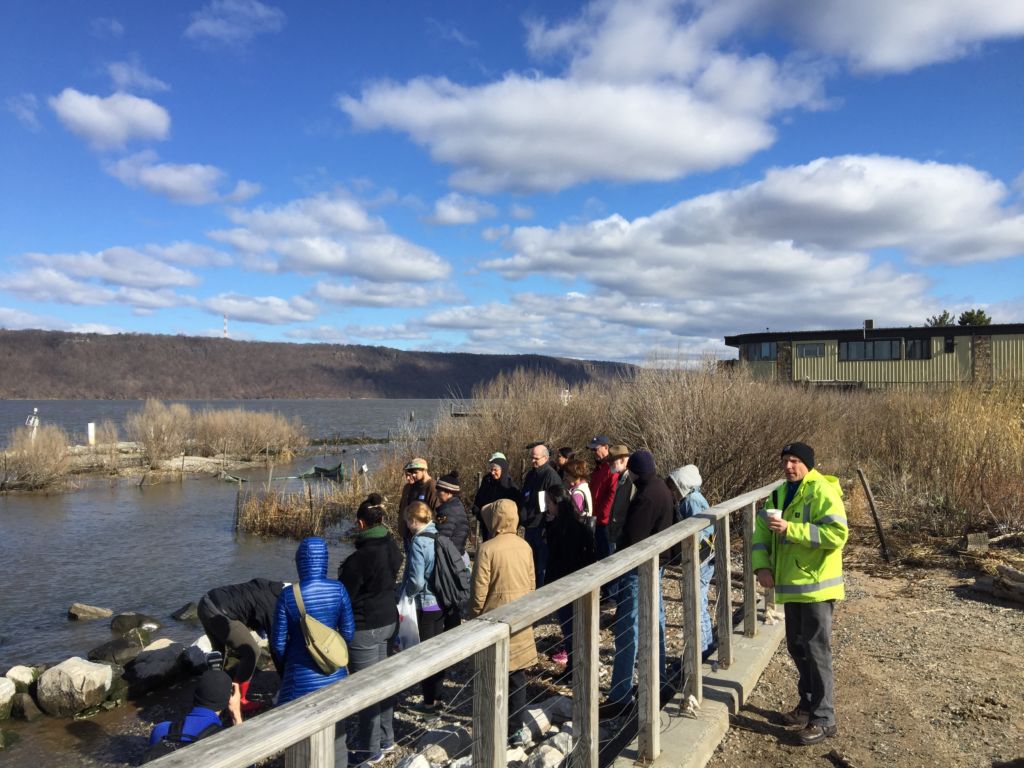
May 24, 2018
To further understand the severity and sources of bacterial pollution in the four urban subwatersheds in the Hudson River Estuary, Sarah Lawrence Center for the Urban River at Beczak (CURB), supported by an EPA Urban Waters Small Grant, created the Lower Hudson Urban Waters Collaborative. Partnering with Riverkeeper, the Hudson River Watershed Alliance, and the Bronx River Alliance, the Urban Waters Collaborative created a strong partnership in the Lower Hudson Valley in which the organizations share experiences and combine data resources with the goal of strengthening stewardship and community science capacity.
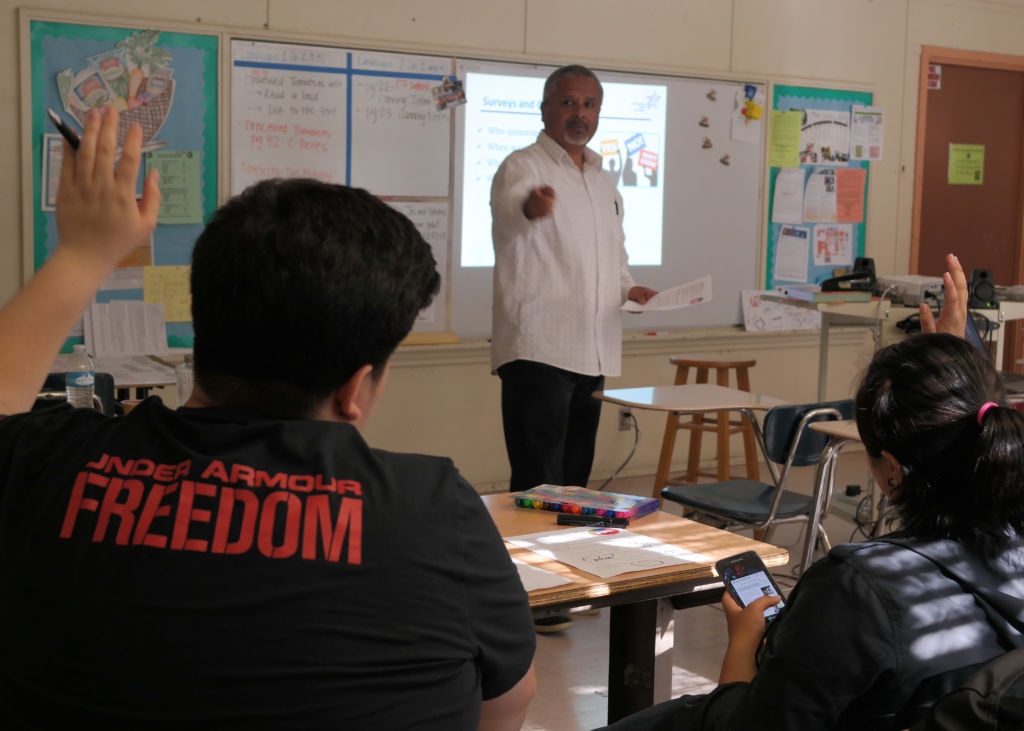
April 9, 2018
Los Angeles River Watershed: Climate, Pollution, and Policies The Los Angeles (LA) River watershed covers an area of 854 square miles, originating in the Santa Monica, Santa Susana, and San […]
March 8, 2018
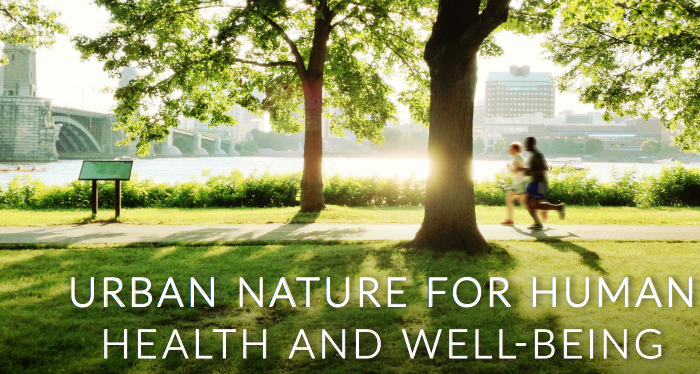
This report provides the latest research on the social, health, and economic benefits of urban green space, with an emphasis on tree canopies. Research shows that more trees and green space in urban areas directly reduce pollution, reduce heat, encourage exercise and related health, lower stress, and improve longevity among residents.

January 30, 2018
As a result of the Portland community-based collaboration funded through the EPA Urban Waters Program and led by the Oregon Operations Office, the EPA Office of Sustainable Communities provided technical […]

January 9, 2018
RiverXchange—a school-based program that supports and supplements Common Core and 21st Century Standards—is designed to introduce water resources concepts to young people using a variety of fun methods that integrate writing, math, science, and physical activity. By interacting with models, reading relevant texts, learning from experts, and going on field trips, students learn about watersheds, river ecosystems, and the importance of water conservation. They also learn how to monitor water quality and calculate their own ecological footprints, then internalize these concepts by writing about them in their own words.
December 7, 2017
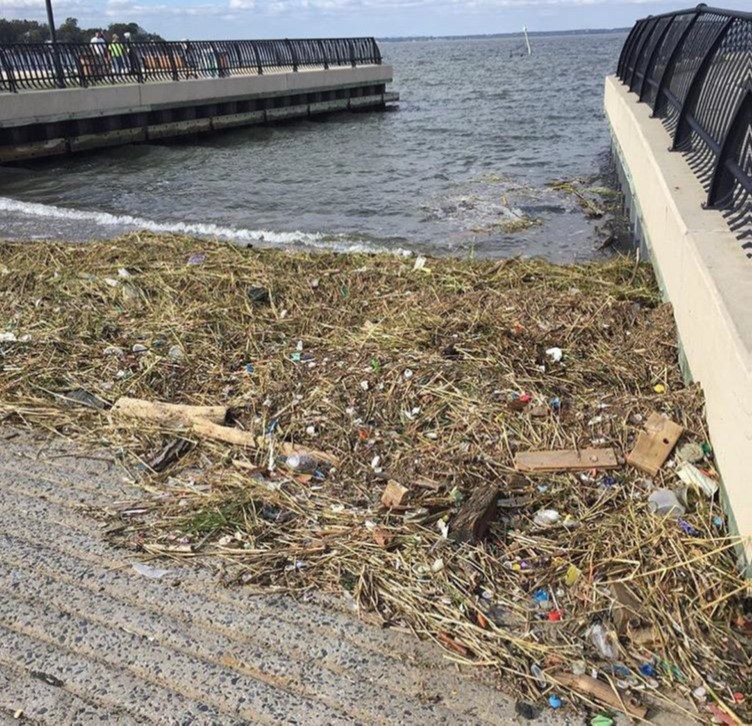
Advocating for change starts first with quantifying and documenting the extent of plastics pollution. The NY/NJ Baykeeper study illuminates the high prevalence of plastics pollution within the Harbor Estuary and highlights the importance of both decreasing plastics consumption and increasing disposal awareness.
October 9, 2017
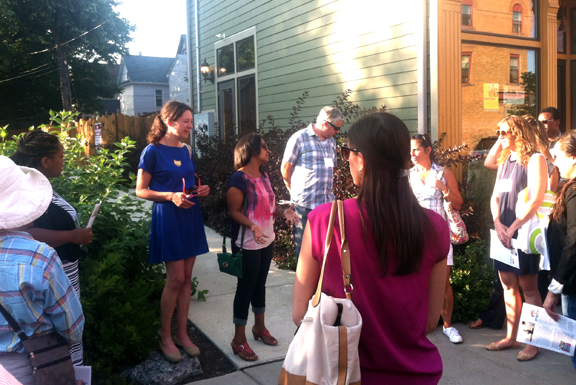
This report on Sustainable Models for Green Infrastructure Maintenance in the Great Lakes Region summarizes the findings of a 2016 convening in Buffalo, NY of local government, land bank, sewer […]

September 25, 2017
In 2012, the Oklahoma Water Resources Board (OWRB) received an EPA Urban Waters Small Grant, sub-granted by the Oklahoma Secretary of Energy and Environment, to study the causes of the eutrophic conditions in Lakes Hefner and Overholser and to evaluate which Best Management Practices (BMPs) could significantly reduce the nutrient load affecting water quality in the lakes. Originally, the study focused on identifying BMPs that could be implemented in the lakes themselves. However, it was found that most of the pollution was coming from urban runoff entering the North Canadian River.