
civic & community engagement

April 6, 2017
Most people are familiar with archeology as a field that explores ancient civilizations by uncovering artifacts. However, archeology has applications in modern urban locations as well. Cities change quickly, and in the process, the lives and stories of residents—and even whole neighborhoods and rivers—can be buried or substantially altered. Archeology can uncover the stories that never made it to the history books, and can also help communities to discover and tell their own stories and histories.
April 5, 2017
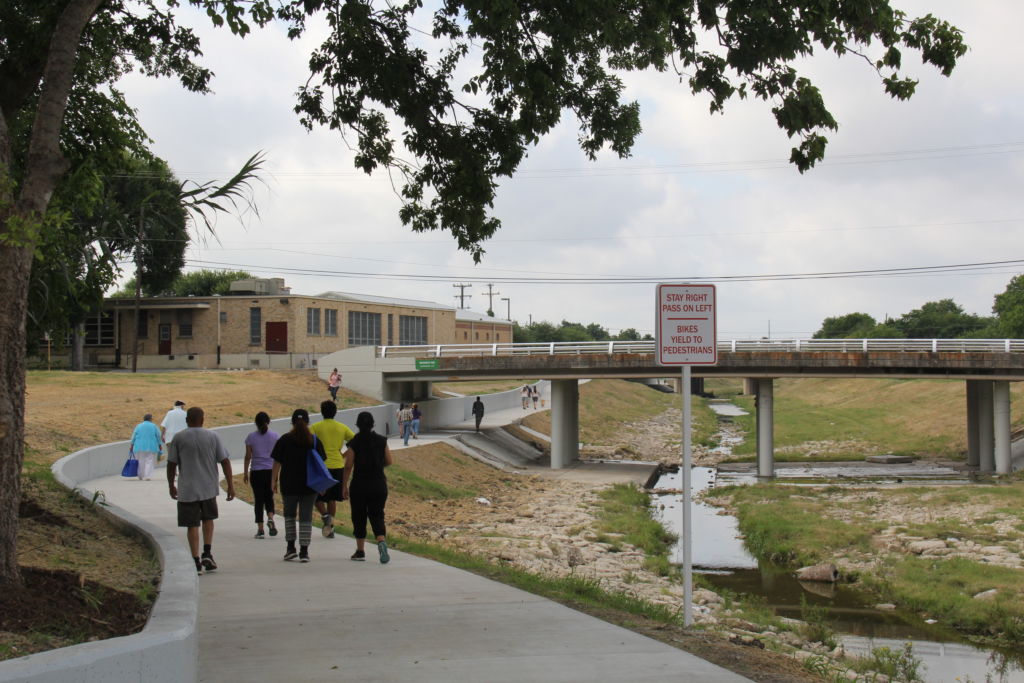
The headwaters of the San Antonio River originate in Bexar County, from which it begins a 240-mile journey through six counties toward San Antonio Bay and the Gulf of Mexico. From Spain’s colonization efforts to the emergence of San Antonio as the second most populous city in Texas, the area’s rich history and culture have been shaped by the San Antonio River.
January 11, 2017
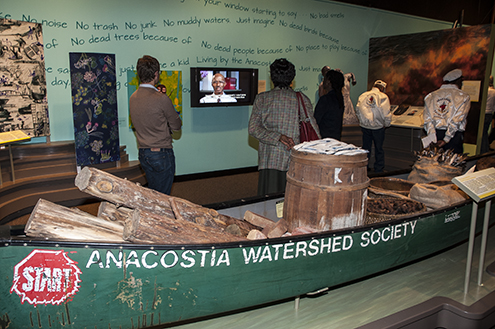
The Smithsonian's Anacostia Community Museum explores issues impacting urban contemporary communities. Its approach starts with research and documentation of urban life and history organized around the concerns that are relevant to the largely African American residents in the local river neighborhoods east of the Anacostia River, where the museum is located; then expands to metropolitan Washington, DC area and to like urban communities. Through its innovative research focus, exhibitions, and education programs on the issue of urban waterways, the museum has actively encouraged community investment and stewardship.
December 1, 2016
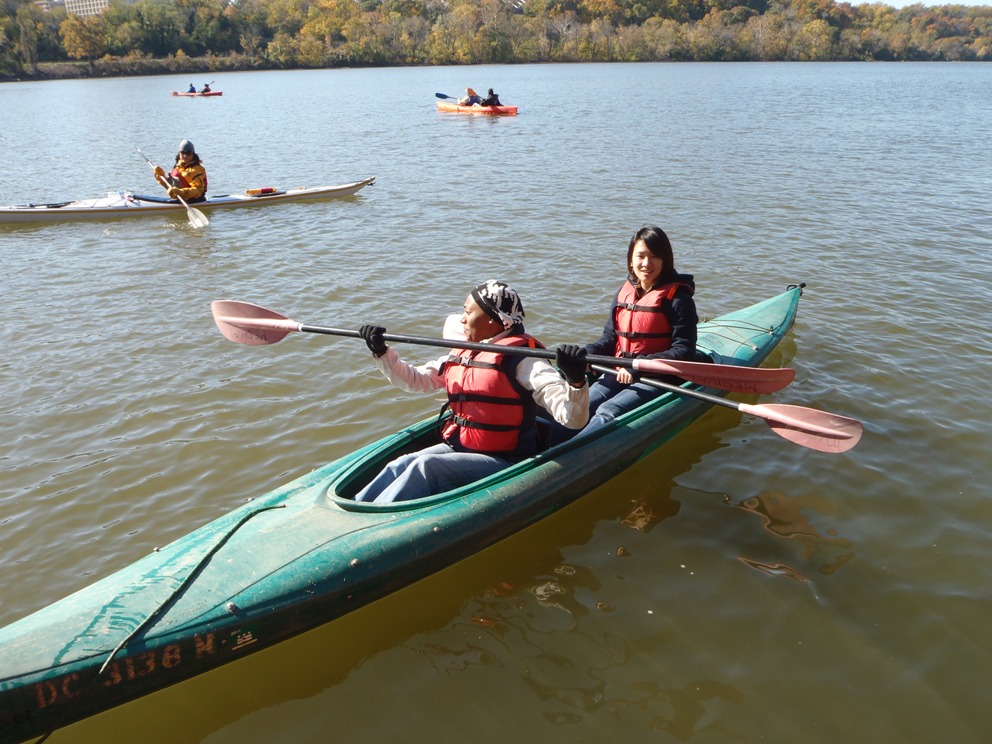
Groundwork Anacostia, a "trust" under the umbrella of Groundwork USA, is based in the District of Columbia’s Ward 7, which has the longest portion of riverbank—including four out of the five tributaries that feed the Anacostia River. The neighborhood has a large amount of green space in the form of National Park Service (NPS) historical preserves, Civil War sites, and city parkland. Groundwork Anacostia’s main focus has been to improve this parkland, as well as local derelict lots and vacant land, in order to improve quality of life and access for neighborhood residents, while also offering innovative education and job training programs for area youth.

November 22, 2016
The UCLA Luskin Center for Innovation presents Creating a Complete Los Angeles River Greenway: Stories and Guidance (Guide) to recognize the achievements of those who have successfully developed portions of […]

November 8, 2016
As different parts of the country become drier, wetter or hotter, community leaders and citizens are looking to green infrastructure to improve their community’s resiliency to the effects of climate […]
November 8, 2016
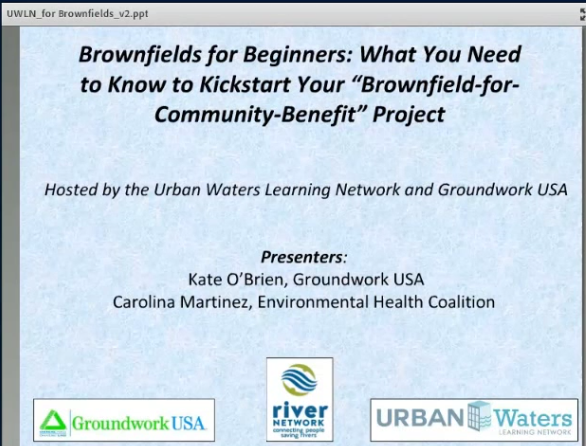
This webinar was hosted by the Urban Waters Learning Network and recorded on Aug. 02, 2016 Are you working to reclaim urban waterways while occasionally bumping up against waterfront properties […]
May 17, 2016
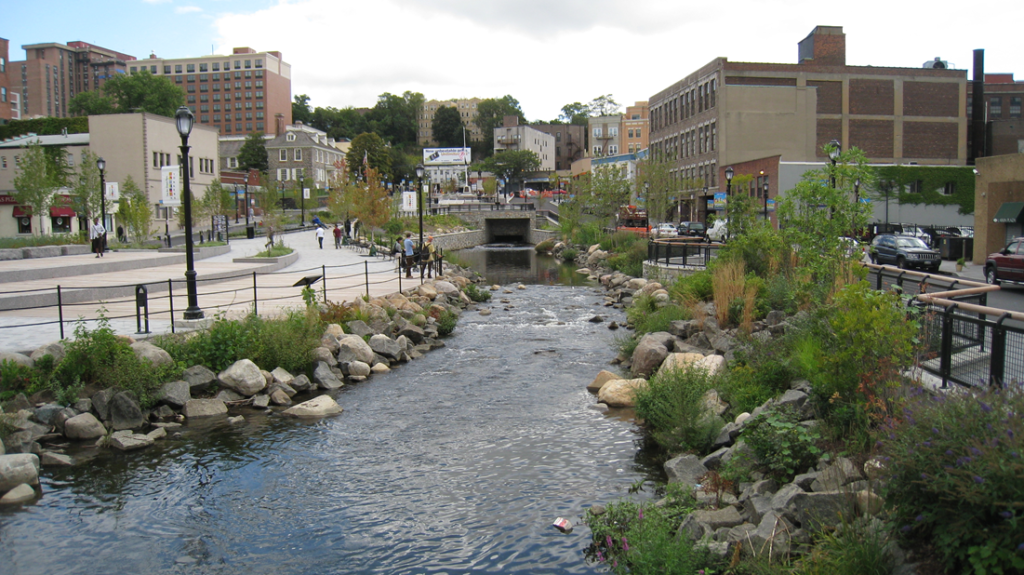
Few environmental projects focus community attention as dramatically as those that seek to create (or retrieve) parks and trails along urban waterways. The Groundwork network has achieved significant success on such projects, including the Saw Mill River Daylighting Park in Yonkers, NY; the Spicket River Greenway in Lawrence, MA; the Elizabeth River Greenway in Elizabeth, NJ; and the Mill Creek Greenway in Cincinnati.

April 20, 2016
Funded by EPA’s Urban Waters Small Grants, this guide was developed by the Northern Middlesex Council of Governments and Merrimack River Watershed Council, documenting the work they were doing directly […]
February 9, 2016
Recorded webinar that presents inititives by three urban waters organizations that have succeeded in building trust and engagement among non-English speakers.