
civic & community engagement
September 17, 2018
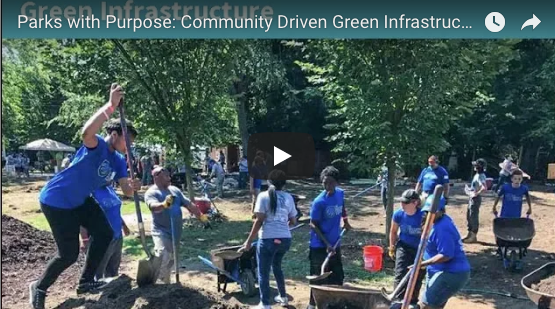
Through their Parks with Purpose program, The Conservation Fund and partner organizations are designing and implementing green infrastructure in underserved urban communities while engaging and training residents to make way for lasting change.

July 26, 2018
This report compiles informative case studies, focusing on programs that have successfully incorporated artists, art, and culture into their place-based, transformative approaches. These programs aimed to address affordability issues, make connections between people and their environment, promote holistic water resource management, increase community participation, mitigate and remediate damages, integrate community needs into infrastructure, and support community activism.
June 20, 2018
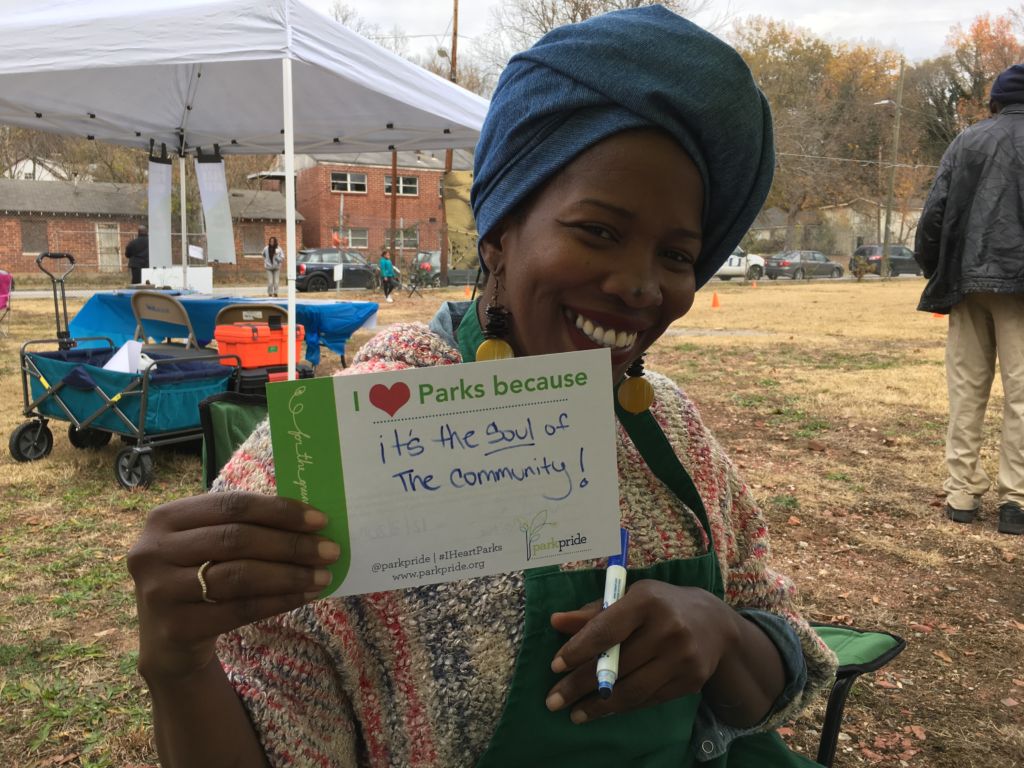
In 2013, the Proctor Creek Watershed was designated by the EPA as an Urban Waters Federal Partnership location, with goals to engage the community while improving water quality, providing green spaces, and supporting green infrastructure. The Conservation Fund was awarded an EPA Urban Waters Small Grant in 2016 to work with residents and multiple organizations of the Proctor Creek Watershed to create green infrastructure solutions that benefit the community and the environment.
May 24, 2018
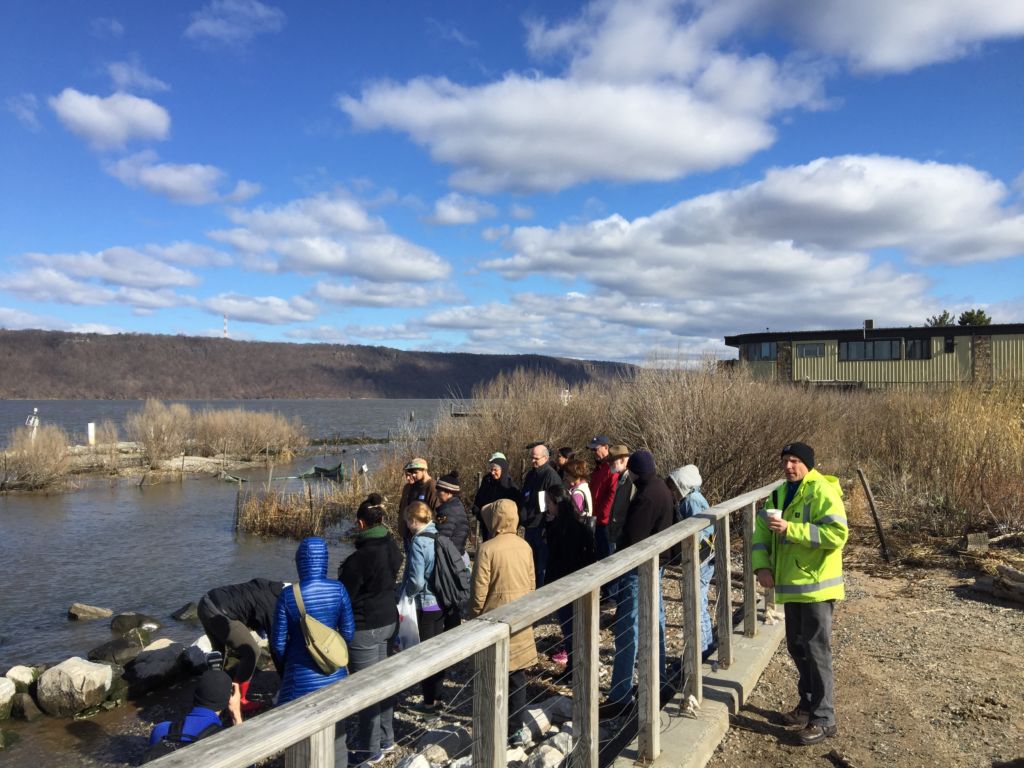
To further understand the severity and sources of bacterial pollution in the four urban subwatersheds in the Hudson River Estuary, Sarah Lawrence Center for the Urban River at Beczak (CURB), supported by an EPA Urban Waters Small Grant, created the Lower Hudson Urban Waters Collaborative. Partnering with Riverkeeper, the Hudson River Watershed Alliance, and the Bronx River Alliance, the Urban Waters Collaborative created a strong partnership in the Lower Hudson Valley in which the organizations share experiences and combine data resources with the goal of strengthening stewardship and community science capacity.
April 9, 2018
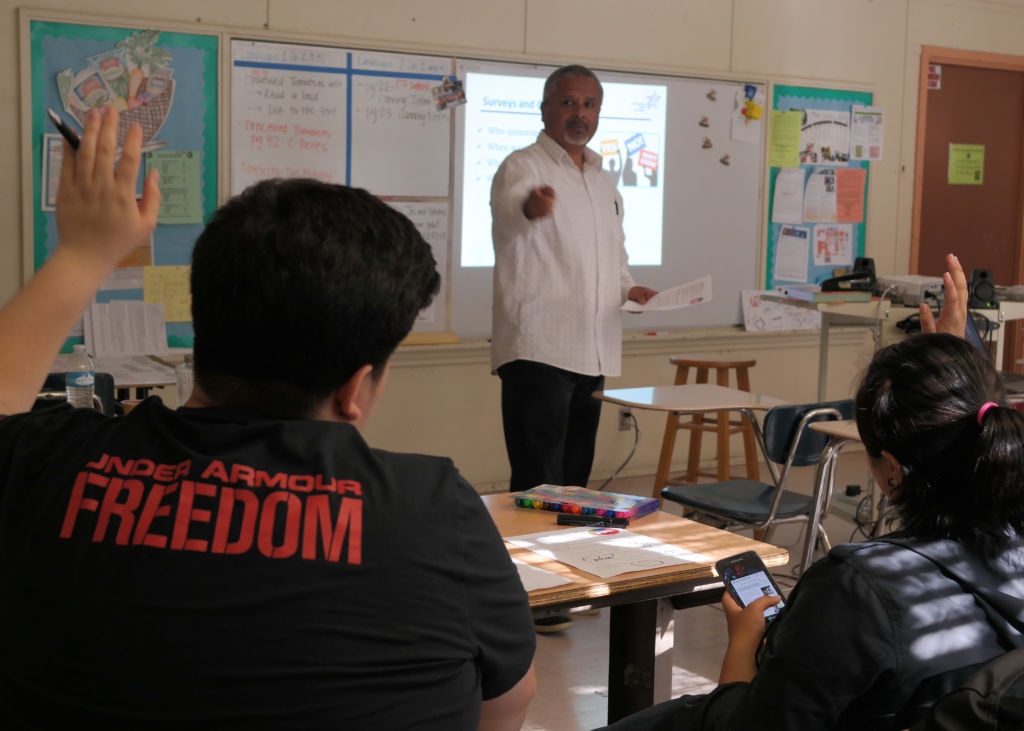
Los Angeles River Watershed: Climate, Pollution, and Policies The Los Angeles (LA) River watershed covers an area of 854 square miles, originating in the Santa Monica, Santa Susana, and San […]

January 5, 2018
Three projects from different organizations in the eastern United States are using creative methods to educate students about environmental issues in their communities and to empower urban youth to make a difference. While the issues that the communities face are varied, each organization is engaging youth to raise awareness and to create solutions.

December 22, 2017
El Caño Martin Peña (CMP) is a 3.75-mile-long tidal channel located within the San Juan Bay National Estuary in Puerto Rico, the only tropical estuary within the National Estuary Program. The degraded channel has threatened not only communities’ health, but the ecosystem as well. ENLACE engages in public education activities to promote an understanding of the impacts of environmental degradation, fostering critical consciousness and democratic action to support restoration efforts. The restoration of the estuarine tidal channel will allow for mangroves to flourish and increase biodiversity, improving resilience during storms and providing opportunities for tourism.

November 16, 2017
The EPA is offering the Local Foods, Local Places Toolkit to help communities interested in using local foods to support downtown and neighborhood revitalization. Developed by EPA’s Office of Sustainable […]
September 11, 2017
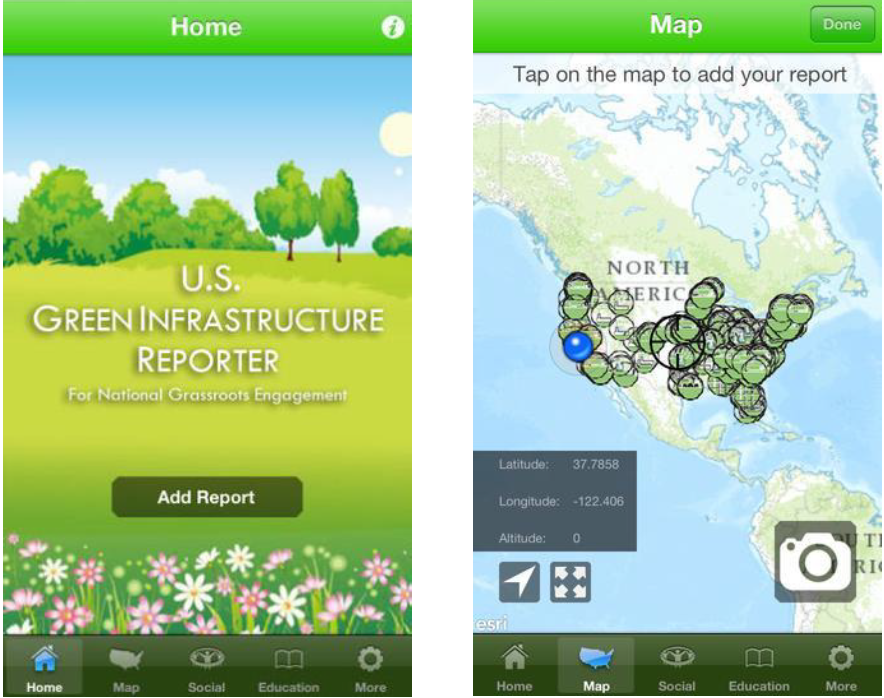
In urban settings, stormwater runoff is one of the leading water quality concerns due to limited surface area where water can infiltrate into the soil. Impervious surfaces result in water flowing quickly across pavement and down gutters and sewers rather than dispersing out evenly over the landscape. The farther and faster the water travels, the more contaminants and sediment it picks up along the way.
April 25, 2017
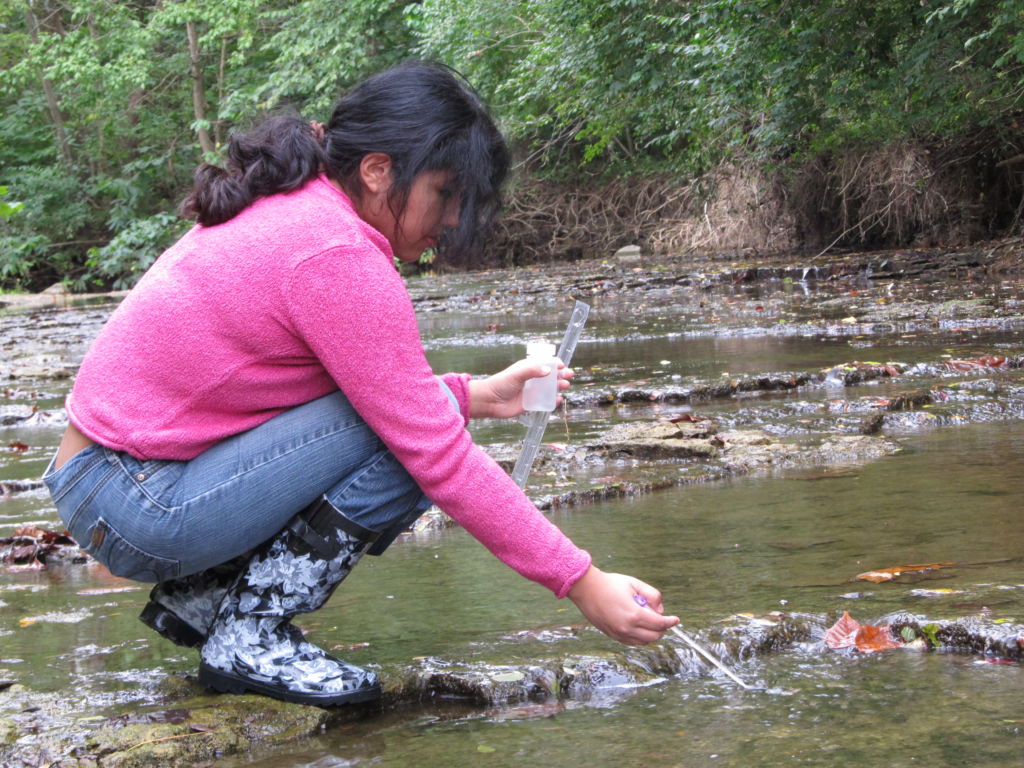
The Wabash River, which is Indiana’s state river, has a rich economic and cultural history. As a tributary of the Ohio River, it is part of the upper reaches of the 1,245,000-square-mile Mississippi River Basin, and so was a vital navigation and trade route for French traders traveling between Canada and the Gulf of Mexico.