
guide/manual

April 14, 2019
This report counters the notion that “gentrification is inevitable” by offering an alternative approach to development, one that directly involves and benefits the community in which the development is taking […]
March 15, 2019
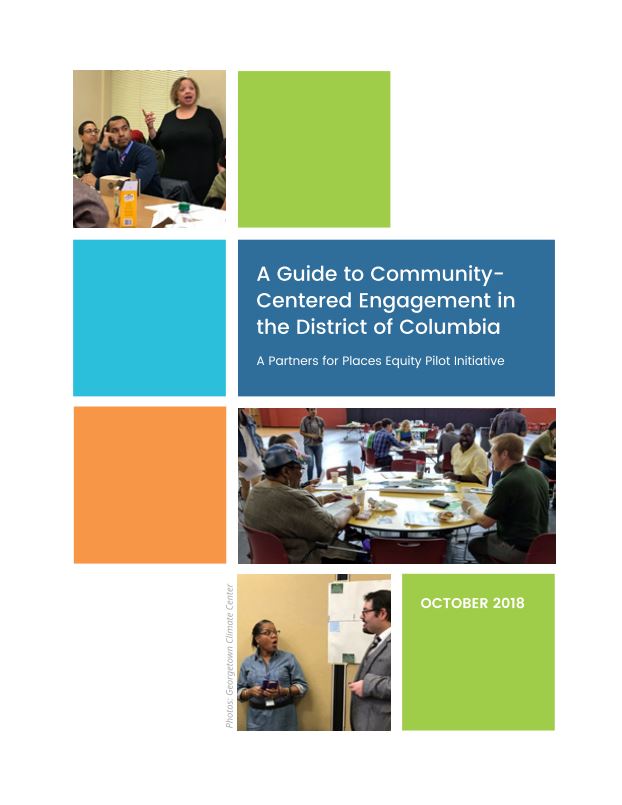
This guide—informed by a Partners for Places 2017/2018 pilot project by the District Department of Energy and Environment (DOEE), Georgetown Climate Center, and other partners—outlines a community engagement model in […]

March 11, 2019
The report was created by Master of Urban and Regional Planning students at Portland State University for the Living Cully partnership, which is a collaborative effort to create environmental infrastructure […]

March 11, 2019
In order to get green infrastructure integration and implementation to the scale needed to maximize its many economic, social, and environmental benefits, we will need to rethink not only how […]
February 14, 2019
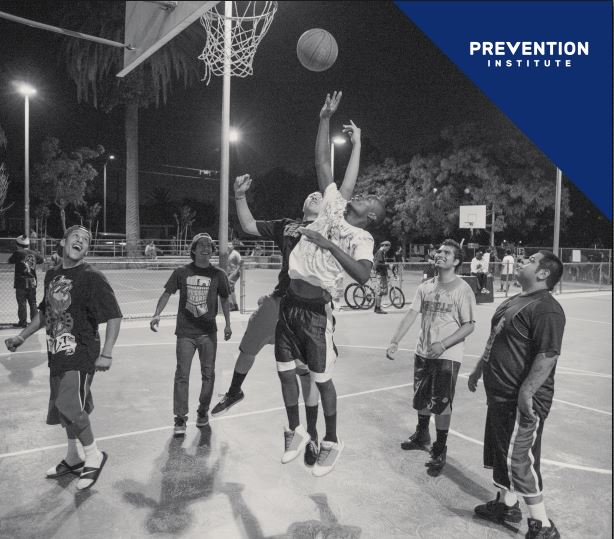
This resource from the Prevention Institute addresses the question: “What can people working on “healthy community” issues—like active transportation, parks, healthy food, planning, public health, healthcare, and more—do in their […]

January 15, 2019
The guide was prepared by members of the Oregon Health and Outdoors Initiative—the Oregon Public Health Institute and the Willamette Partnership—in collaboration with the Green Infrastructure Leadership Exchange. The guide […]

July 26, 2018
This report compiles informative case studies, focusing on programs that have successfully incorporated artists, art, and culture into their place-based, transformative approaches. These programs aimed to address affordability issues, make connections between people and their environment, promote holistic water resource management, increase community participation, mitigate and remediate damages, integrate community needs into infrastructure, and support community activism.

November 16, 2017
The EPA is offering the Local Foods, Local Places Toolkit to help communities interested in using local foods to support downtown and neighborhood revitalization. Developed by EPA’s Office of Sustainable […]
July 19, 2017
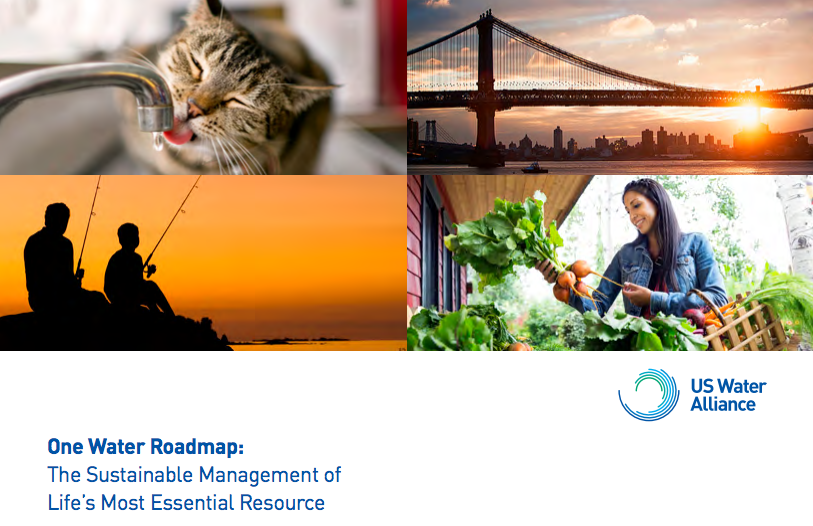
“The idea of an integrated systems approach to water is not new. Its full-scale implementation, however, has yet to be realized. There are many signs that water management in the […]
June 9, 2017
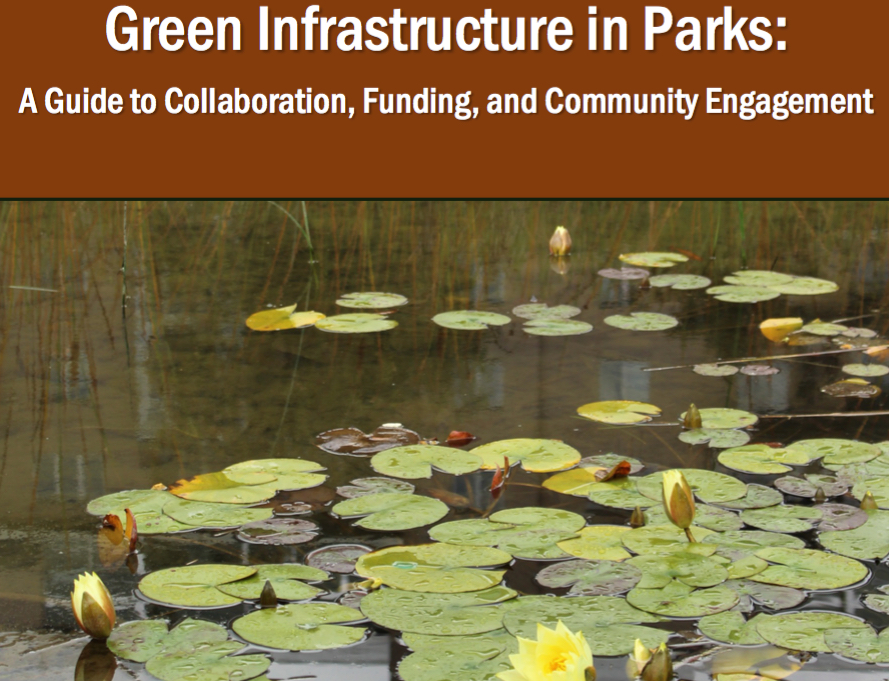
This guide is a kind of “Green Infrastructure 101”. It summarizes the benefits of green infrastructure (GI), including economic, educational, and health benefits. It explains how GI can be less […]