
arts & culture

February 12, 2025
Fostering Community Connection and Collaboration Art—including mural painting, performance, film, and photography—can provide a direct pathway for people young and old to connect with their environment and feel responsible for […]

March 31, 2022
Inspiration Book: Arts and Experiential Learning: Building the Foundation for Arts and Experiential Learning Partnerships for Mitigation and Resilience is a resource developed by FEMA that includes key considerations for starting a project and inspiring examples of projects from around the world.

April 14, 2019
This report counters the notion that “gentrification is inevitable” by offering an alternative approach to development, one that directly involves and benefits the community in which the development is taking […]

March 11, 2019
In order to get green infrastructure integration and implementation to the scale needed to maximize its many economic, social, and environmental benefits, we will need to rethink not only how […]

July 26, 2018
This report compiles informative case studies, focusing on programs that have successfully incorporated artists, art, and culture into their place-based, transformative approaches. These programs aimed to address affordability issues, make connections between people and their environment, promote holistic water resource management, increase community participation, mitigate and remediate damages, integrate community needs into infrastructure, and support community activism.

January 5, 2018
Three projects from different organizations in the eastern United States are using creative methods to educate students about environmental issues in their communities and to empower urban youth to make a difference. While the issues that the communities face are varied, each organization is engaging youth to raise awareness and to create solutions.
April 25, 2017
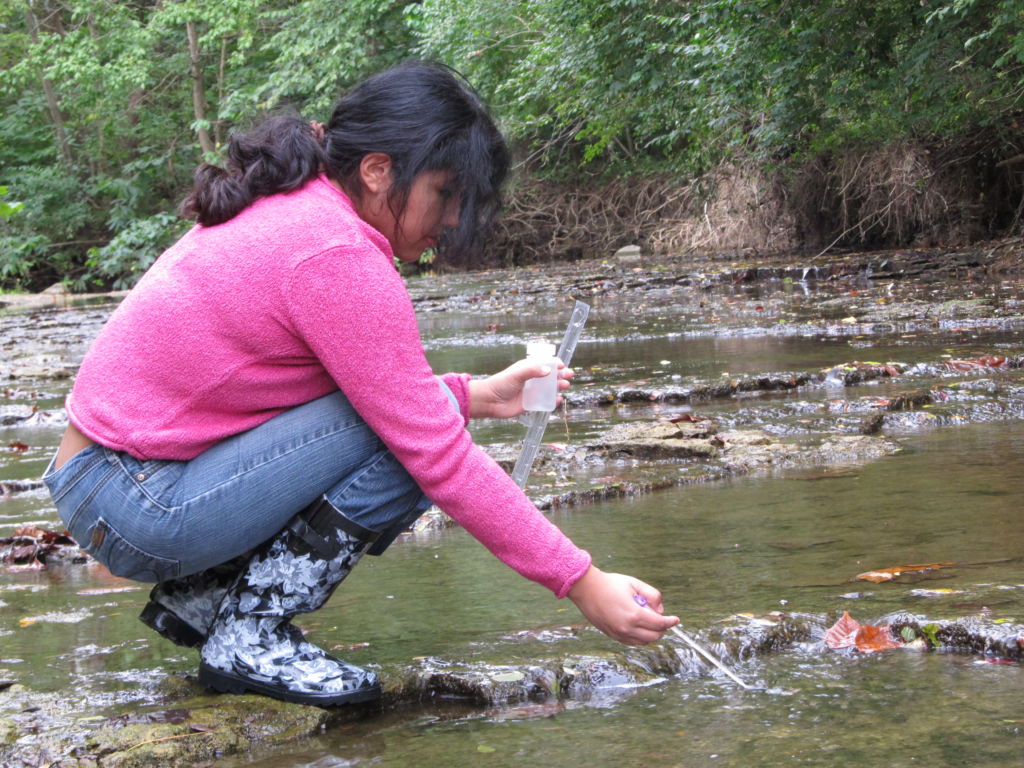
The Wabash River, which is Indiana’s state river, has a rich economic and cultural history. As a tributary of the Ohio River, it is part of the upper reaches of the 1,245,000-square-mile Mississippi River Basin, and so was a vital navigation and trade route for French traders traveling between Canada and the Gulf of Mexico.
January 11, 2017
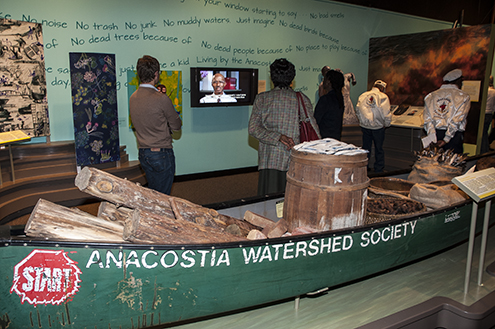
The Smithsonian's Anacostia Community Museum explores issues impacting urban contemporary communities. Its approach starts with research and documentation of urban life and history organized around the concerns that are relevant to the largely African American residents in the local river neighborhoods east of the Anacostia River, where the museum is located; then expands to metropolitan Washington, DC area and to like urban communities. Through its innovative research focus, exhibitions, and education programs on the issue of urban waterways, the museum has actively encouraged community investment and stewardship.
June 23, 2016
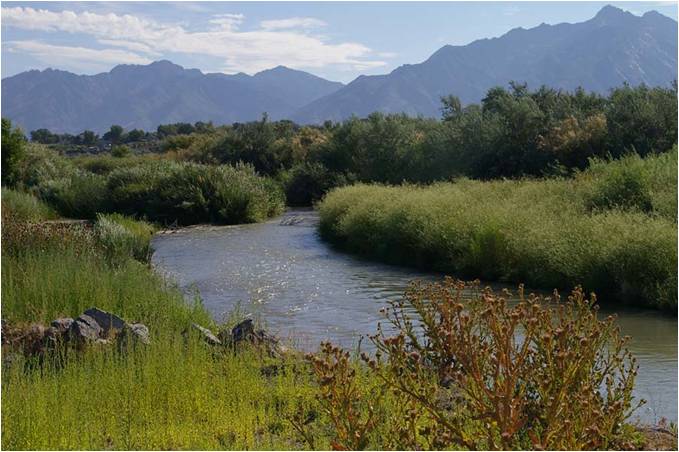
In 2008, many Utah organizations came together to develop a long-range plan for the Jordan River that laid out a vision for a revitalized river corridor. The Jordan River Commission was created to spearhead this plan, and it has been successful in building partnerships with organizations now working together to implement this vision. These collaborations have led to a new public appreciation for the river corridor as a recreational amenity and opportunity for conservation, environmental education, and community building.
April 25, 2016
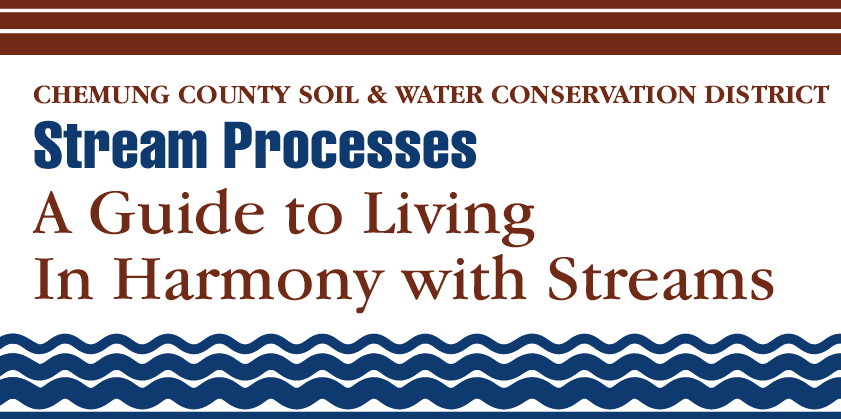
This wonderful guide, developed by the Chemung Soil and Water Conservation District in Horseheads, NY, has detailed, yet extremely understandable language and graphics (as well as humor) for people to […]